
REVIEW · ITALY
Piedmont: Winery Tour, Taste Barolo, Barbaresco & Local Food
In Castiglione Falletto, you get the real Barolo-country experience in a compact two-hour visit: vineyards, a centuries-old cellar, and a family winery where the owner, Charles, explains how the wines are made. The tasting covers seven wines, from Barolo and Barbaresco to Barbera and Moscato, with two liqueurs on the side.
I like the personal scale here. You are not being moved through a giant commercial operation. You meet the people behind the bottles, taste the estate’s own olive oil, and pair the wines with cured meats, cheeses, and rustic bread. The main drawback is practical: you must arrange your own transport to the winery, and two hours leaves little room for a long vineyard walk or a leisurely lunch.
Key points at a glance
- A family winery in Barolo country: Visit Sobrero Vini in Castiglione Falletto, one of the Langhe villages tied closely to Barolo production.
- Seven wines in one tasting: Try Barolo, Barbaresco, Barbera, Moscato, and other estate wines in a guided sequence.
- Charles leads the visit: The owner introduces the winemaking process and explains the character of the local terroir.
- Food is part of the experience: Local cured meats, cheeses, homemade bread, snacks, and estate olive oil accompany the glasses.
- Two regional liqueurs finish the tasting: The lineup includes Barolo Chinato and grappa di Barolo.
- Small groups keep it personal: Children and pets are welcome, and wine can be purchased directly from the producer afterward.
Arriving in Castiglione Falletto
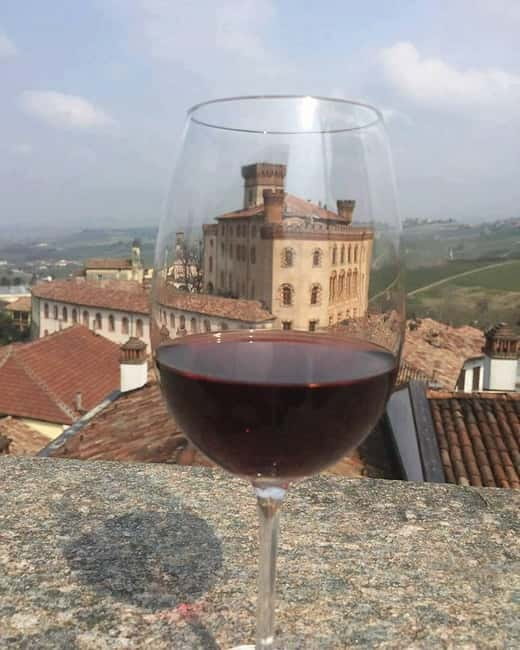
The winery is at Sobrero Vini, Via Alba Monforte, 39, in Castiglione Falletto. You meet the local host in the private parking area, which makes arrival fairly simple if you are driving through the Langhe.
Transportation is not included, so this is best planned as part of a wider Piedmont road trip or a day based in the wine villages. Check your route carefully before booking. The winery sits in Barolo country, and public transport connections in rural wine areas are not always as easy as they are in Turin or Alba.
The location matters because you are not tasting these wines in a city bar removed from their setting. Castiglione Falletto is surrounded by the hills associated with the Langhe wine zone, a UNESCO World Heritage site. Even if your time at the winery is short, you are visiting one of the places where these wines are actually made.
If you are driving, remember that the tasting includes seven wines and two liqueurs. You will want a designated driver or another plan for getting back safely. This is a basic point, but it is easy to overlook when the visit is advertised as a short stop.
More wineries worth an afternoon in Italy:
- Tuscany Day Trip from Florence: Siena, San Gimignano, Pisa and Lunch at a Winery
★ 5.0 · 21,634 reviews - Florence: Chianti Wineries Tour with Wine Tasting
★ 4.5 · 10,071 reviews - From Florence: Siena, San Gimignano, Pisa & Lunch at Winery
★ 4.8 · 4,538 reviews
Walking the vineyards before the cellar
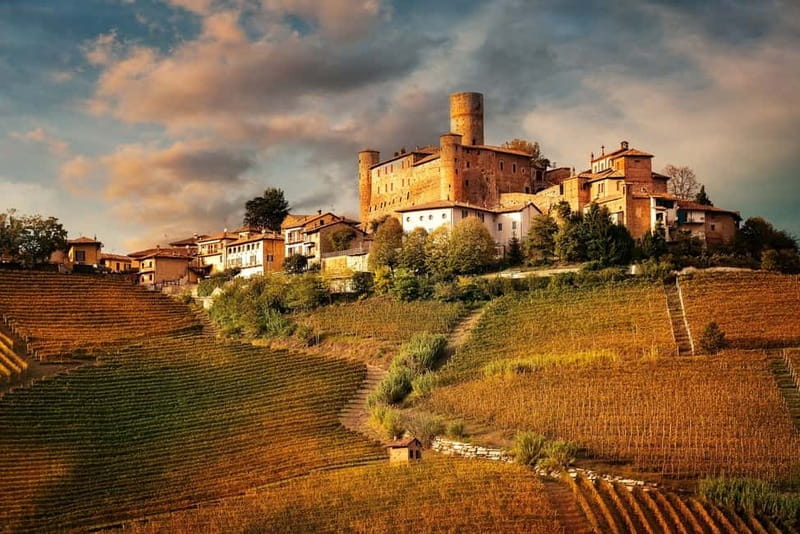
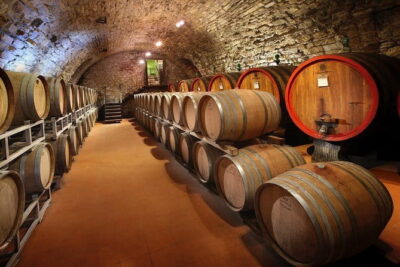
The experience begins with a guided walk through the vineyards. This is a useful introduction because it gives you a physical sense of the estate before the tasting begins. You see the setting first, then hear how the grapes move from the vines into the winery and cellar.
Do not expect a long country hike. The total visit lasts about two hours, and the vineyard walk is one part of a larger program that also includes the cellar tour, explanations, and an extensive tasting. Think of it as a short orientation rather than a separate walking excursion.
The Langhe setting also helps explain why the wines command so much attention. Barolo and Barbaresco are not simply labels to memorize. They are tied to particular Piedmont wine areas and traditions, and seeing the hills around Castiglione Falletto gives the tasting useful context.
This is especially helpful if you are new to Piedmont wine. You do not need to arrive knowing the difference between every local grape or appellation. The visit is designed to introduce you to the region through the place, the producer, and the glass in front of you.
Charles and the old cellar
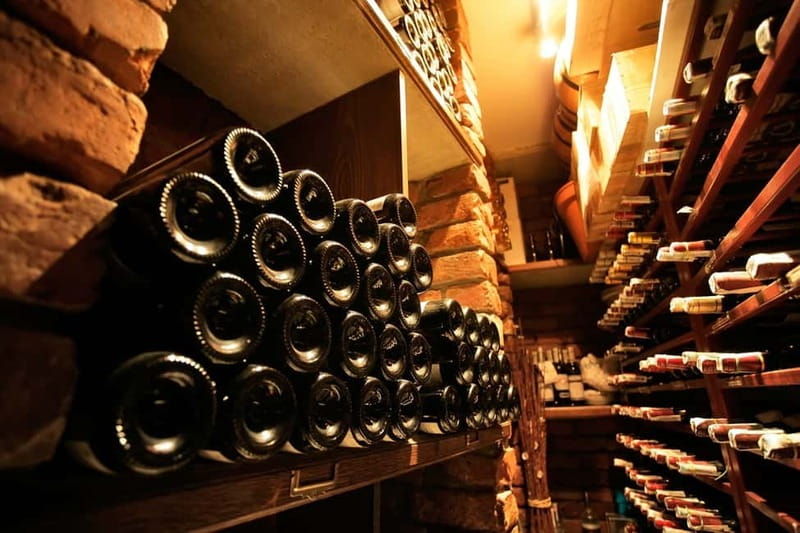
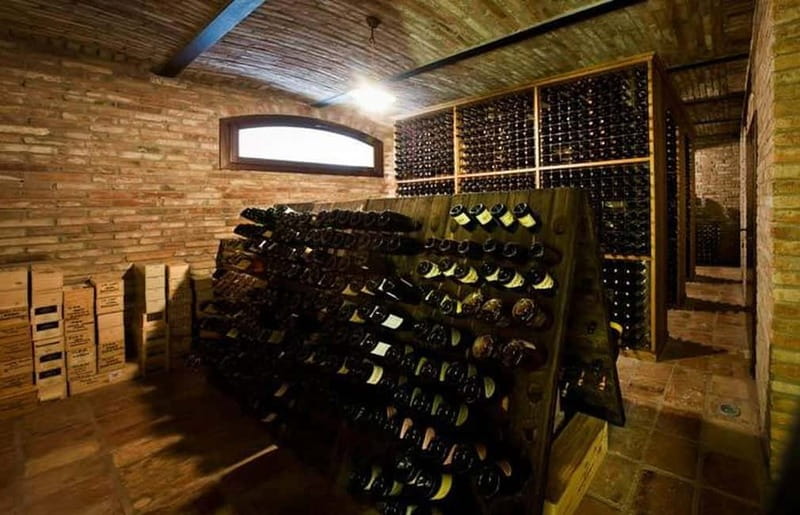
After the vineyard walk, you visit the winery and its centuries-old cellar. Charles, the owner, personally explains the family’s winemaking approach and the work behind the bottles. That personal introduction is one of the strongest reasons to choose a family-run estate instead of a large, more formal wine attraction.
The cellar is not just a backdrop for photographs. It connects the technical side of wine production with the family story and the local setting. Charles explains how the wines are made and shares the ideas that guide the estate.
You should expect a conversation-led visit rather than a tightly scripted museum tour. That format can be a real advantage if you want to ask questions or understand why the wines taste different from one another. It also means the quality of the visit depends partly on how much you engage with the host.
The English-language experience is helpful for international visitors. The available host language is English, so you can follow the explanations without needing specialist wine vocabulary. Clear guidance was one of the most praised parts of the experience, and that is important when several wines are being introduced in a short period.
Seven wines, from Barbera to Barolo
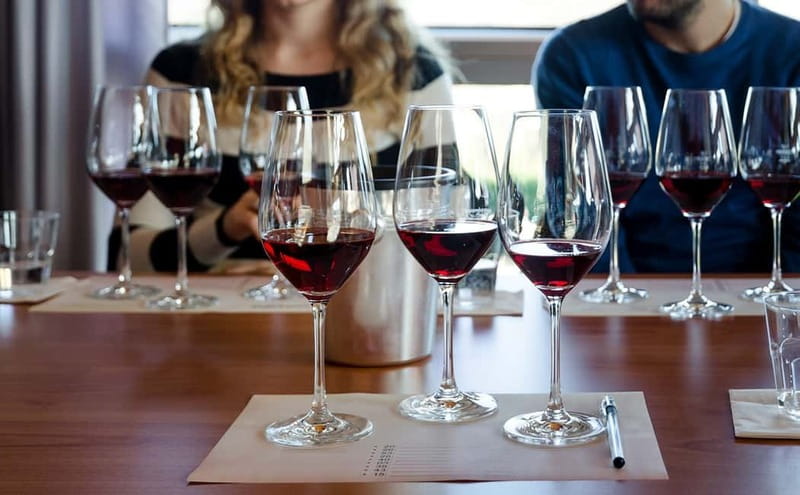
The tasting is the main event. You try seven different wines from the estate, including Barolo, Barbaresco, Barbera, and Moscato. The range gives you a broader picture of Piedmont than a tasting focused only on its most famous bottle.
Barolo and Barbaresco will draw the most attention. These are the names many visitors come to Piedmont hoping to taste, and trying them at a local producer gives the experience more meaning than ordering them without context at a restaurant. Charles can explain the wines as part of the estate’s work rather than presenting them as isolated luxury products.
Barbera offers a different point of comparison. It is a familiar Piedmont style for many local wine lists, and placing it beside Barolo helps you notice differences in structure and character. Moscato brings another change of pace, giving the tasting a sweeter wine among the lineup.
The exact order and tasting notes are not specified, so you should not expect a formal sommelier class with printed technical sheets unless the winery provides them on the day. What you can expect is a guided introduction to a useful cross-section of regional wines.
The tasting also lets you decide what suits your own palate. You may arrive focused on Barolo and leave preferring Barbera or Moscato. That is part of the value of tasting several styles in one place instead of buying a single bottle based only on reputation.
A few more wine days around Italy worth comparing
- Small-Group Wine Tasting Experience in the Tuscan Countryside
★ 5.0 · 7,392 reviews - Rome: Tuscany & Montepulciano Day Trip with Lunch & Wine Tasting
★ 4.5 · 5,232 reviews - SMALL-GROUP Wine Safaris: Tuscan Wine Tasting Tours from Florence
★ 5.0 · 5,088 reviews - Winner 2025 Florence Sunset Food & Wine Tour by Eating Europe
★ 5.0 · 5,015 reviews
Local food makes the tasting work
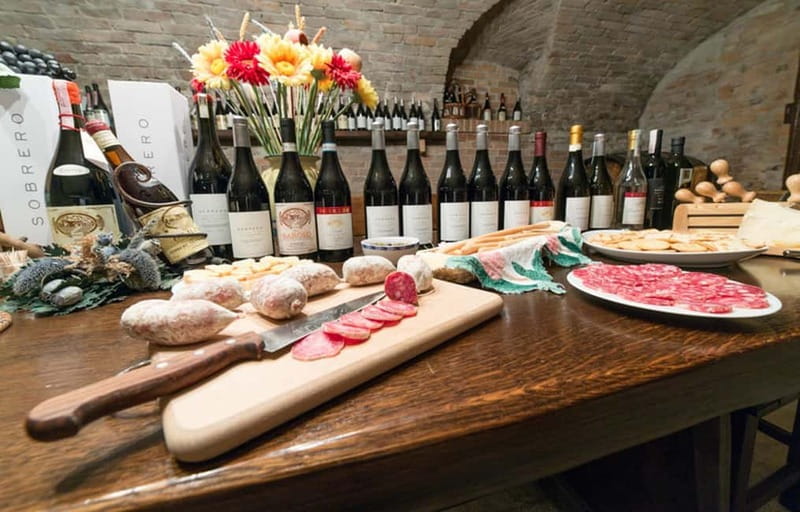
Wine without food can become tiring, especially when several glasses are involved. Here, the tasting comes with a generous selection of local cured meats, cheeses, rustic homemade bread, and snacks.
I like this pairing because it reflects how wine is enjoyed in the region. The food is not an unrelated buffet added to make the booking sound bigger. It gives you something substantial to eat while you taste and helps show how the wines work with everyday Piedmont products.
The cured meats and cheeses also make the event more social. You are not simply listening to a lecture and sipping in silence. A small table of regional food gives the group a natural reason to pause, compare impressions, and enjoy the visit at a relaxed pace.
The wording describes the food as a generous selection, but this is still a tasting rather than a full lunch. If you are hungry enough for a complete meal, plan one separately. The two-hour format is ideal for an afternoon stop, but it should not replace a proper meal if you have skipped breakfast or lunch.
Estate olive oil and two regional liqueurs
The winery produces more than wine. You also taste its own extra virgin olive oil, described as an expression of the same local land. This is a small detail, but it adds variety to the visit and gives you another way to connect the tasting with the estate.
Olive oil tastings can be easy to ignore when wine is the main attraction, yet this one helps broaden your understanding of the producer. You can compare the oil with the bread and local foods rather than treating it as a separate product demonstration.
The final alcoholic pours are two artisanal liqueurs: Barolo Chinato and grappa di Barolo. These are very different styles. Barolo Chinato is a wine-based liqueur associated with aromatic botanicals, while grappa di Barolo is a spirit made from grape pomace. The supplied details confirm the names, but not the exact recipe or serving order, so Charles’s explanation will be your guide.
Both liqueurs are useful regional discoveries. They show that Piedmont’s drinking culture is not limited to still red wine. If you prefer to keep your alcohol intake modest, pace yourself. Seven wines plus two liqueurs is a substantial lineup for a two-hour visit.
Why the small group matters
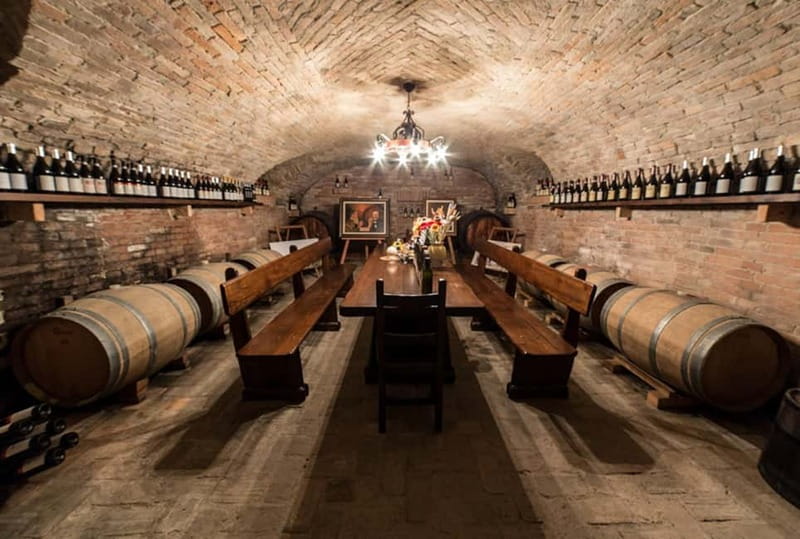
A small group changes the mood. You have a better chance to hear Charles clearly, ask questions, and see the cellar without feeling like part of a large procession. For a family winery, that scale suits the setting.
The experience is also family-friendly in the broadest sense. Children and pets are welcome, which can make planning easier for families or visitors traveling with an animal. Keep in mind that children may not find a wine explanation and long tasting especially exciting, even though they can attend.
The intimate format does not mean the visit is private. You may share the experience with other people, and the pace will reflect the group. If you want a completely personal appointment with a custom tasting, confirm that directly before booking. The advertised format is a small-group experience, not a private tour.
The relaxed setting is a good fit for couples, friends, and curious food lovers. It is less suited to anyone seeking a full-day technical wine course or a long walk through the countryside.
Buying bottles at cellar-door prices
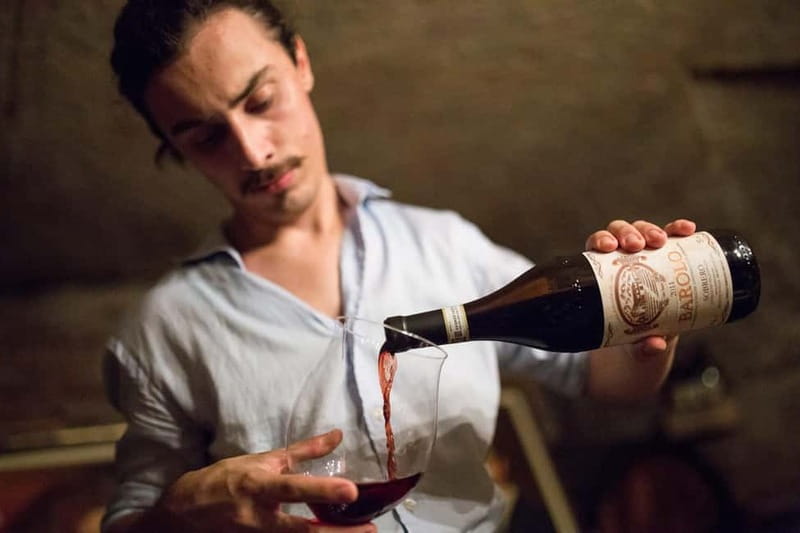
At the end, you can purchase wines directly from the producer at exclusive cellar-door prices. This is useful if you discover a bottle you genuinely enjoyed and want to take home.
Buying at the winery also removes some guesswork. You have just tasted the wines and heard how the estate approaches production. Instead of choosing a label from a shop shelf, you can ask about the bottles that matched your preferences.
Check your own transport and luggage plans before buying. The experience details confirm that wines are available for purchase, but they do not specify international shipping, packaging, baggage rules, or limits. If you are flying soon, ask the producer what options are available rather than assuming the winery can ship everywhere.
I would treat the shop as an opportunity, not an obligation. The tasting should help you decide. You do not need to buy simply because you have visited the estate.
What the $58 price includes
At $58 per person, the price is reasonable for a two-hour guided visit that combines the estate, cellar, food, and a broad tasting. You are not paying only for a flight of wine. The price also covers the host’s time, the vineyard and cellar tour, seven wines, two liqueurs, olive oil, and local accompaniments.
The value is strongest if you are already planning to visit the Langhe. You can add the winery to a day among the Barolo villages and get a focused introduction without committing to a full-day wine excursion.
It is less convenient if you need transportation arranged. Since transfers are not included, you must account for the cost and effort of reaching Castiglione Falletto. For some visitors, a tour with transport from Alba or Turin may be worth paying more for. For others, especially people with a rental car, the lower price and direct winery setting make good sense.
The two-hour duration is another value question. It is long enough for a proper introduction and tasting, but short enough to fit between other visits. You will not receive an entire day of wine education, vineyard touring, and lunch for this price. You are buying a focused, local stop.
Who should book this winery visit?
I would recommend it to you if you want to taste famous Piedmont wines at a working family estate rather than in a city tasting room. It is particularly well suited to first-time visitors who want clear explanations and a useful range of wines without committing to an advanced course.
It also works well for couples and small groups looking for a relaxed food-and-wine activity. The local meats, cheeses, bread, and olive oil make it more satisfying than a tasting that offers only small pours.
You may want a different option if transportation is a major concern, if you want a full meal, or if your main goal is a long vineyard walk. The visit includes a guided vineyard walk, but the heart of the experience is the cellar conversation and tasting.
The positive response to the clear explanations, family ownership, local products, and quality of the wines is understandable. Those elements give the visit a human scale. You leave with more than a list of labels, though the lasting value will depend on how interested you are in wine and how well the timing fits your day.
Should you book Sobrero Vini?
Book this experience if you want a compact and personal introduction to Barolo country, especially if you can reach Castiglione Falletto by car. The mix of seven wines, two Piedmont liqueurs, estate olive oil, and local food gives you plenty to taste for $58.
Skip it if you need included transport, a full lunch, or a private, highly technical wine lesson. For everyone else, this is a sensible way to meet a local producer, taste beyond the famous names, and spend two hours in the heart of the Langhe.
FAQ
Where does the winery tour take place?
The visit takes place at Sobrero Vini, Via Alba Monforte, 39, 12060 Castiglione Falletto, in Piedmont, Italy.
Where is the meeting point?
Meet at the private parking area at Sobrero Vini, where the local partner will be waiting.
How long does the experience last?
The winery tour and tasting last two hours.
Is transportation included?
No. Transportation to and from the winery is not included.
What wines are included in the tasting?
The tasting includes seven wines, including Barolo, Barbaresco, Barbera, and Moscato.
Are any liqueurs included?
Yes. You taste Barolo Chinato and grappa di Barolo.
Is food included?
Yes. The experience includes local cured meats, cheeses, rustic homemade bread, snacks, and the estate’s extra virgin olive oil.
What language is the experience offered in?
The host or greeter speaks English, and English is the listed activity language.
Can children and pets attend?
Yes. Children and pets are welcome at the winery experience.
More Food in Italy
- Rome Food Tour: Unlimited Tastings with Fine Wine & Barolo
★ 5.0 · 3,365 reviews - Rome: Guided Food Walking Tour with Wine in Trastevere
★ 4.9 · 3,105 reviews - Rome: Trastevere Food tour with Free-Flowing Fine Wine
★ 5.0 · 2,853 reviews - Sorrento Farm and Food Experience including Olive Oil, Limoncello, Wine tasting
★ 5.0 · 2,524 reviews
Just added around Italy
- Wine Degustation Ebrezze★ 4.5 · 86 reviews
- Guided winery tour with tasting in Bolzano at the SKYWINE PAVILLON★ 5.0 · 61 reviews
- Bologna: Tagliatelle & Ragù Home Cooking Class with wine★ 4.5 · 55 reviews
- Bologna Food & Wine tour with a local Chef★ 3.0 · 30 reviews
- The downtown wine experience★ 5.0 · 35 reviews
- Parmigiano Wine and Balsamic Vinegar Experience from Bologna★ 5.0 · 30 reviews
- Eating Bologna Food and Wine Tour★ 5.0 · 96 reviews
- Private Bologna Food & Market Tour with 6 Tastings & Wine★ 5.0 · 102 reviews
Wine Tours in Italy, compared.
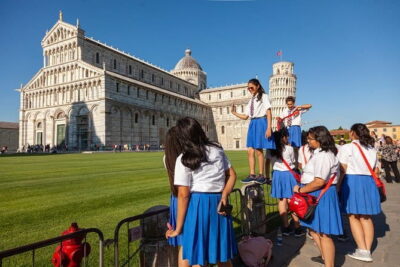
Tuscany Day Trip from Florence: Siena, San Gimignano, Pisa and Lunch at a Winery
Read our review →
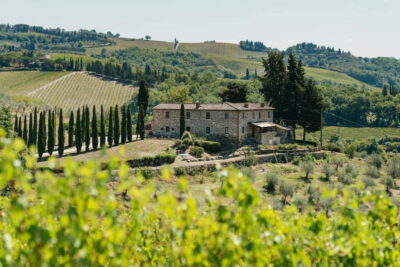
Small-Group Wine Tasting Experience in the Tuscan Countryside
Read our review →
Pasta & Tiramisu Cooking Class with Unlimited Wine
Read our review →
Pisa, Siena and San Gimignano Day Trip with Lunch & Wine Pairing
Read our review →
Tuscany & Montepulciano Day Trip with Lunch & Wine Tasting
Read our review →Browse the lists this tour appears in