
REVIEW · ITALY
Olive Oil Museum: Extravirgin school – Food & wine tasting
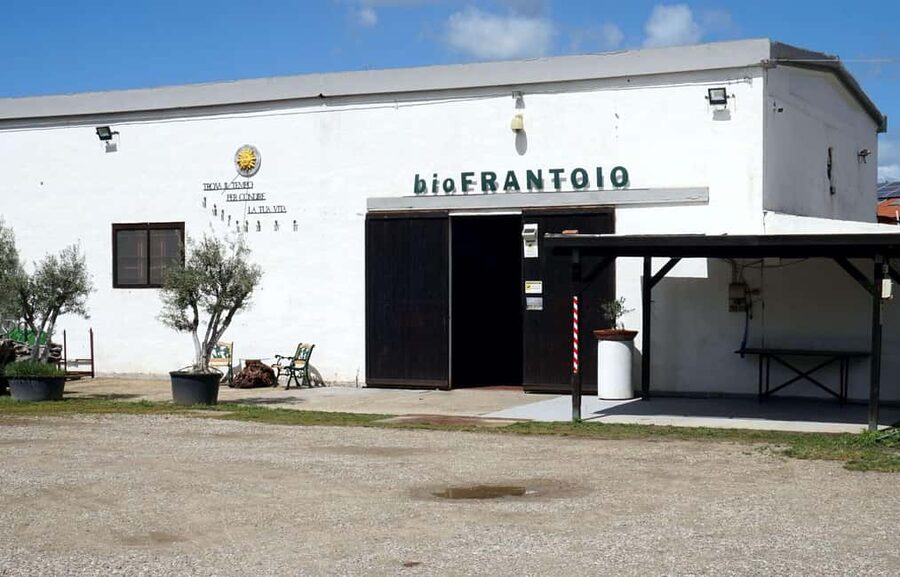
Sardinia’s olive oil story comes alive here in two very different places: a modern working mill and an underground museum filled with old oil lamps and tools. Francesco Locci guides the experience, explaining how olives become oil and how to tell good extra virgin olive oil from ordinary cooking oil.
I like the practical tasting lesson, which gives you a skill to use long after your holiday. I also like the food pairing: carasau bread, cured meats, olives, sparkling wine, and oils flavored with lemon or Sardinian herbs. The main drawback is the short one-hour format. You get a lively introduction, not a long agricultural tour or a full meal.
Key points to know before you go
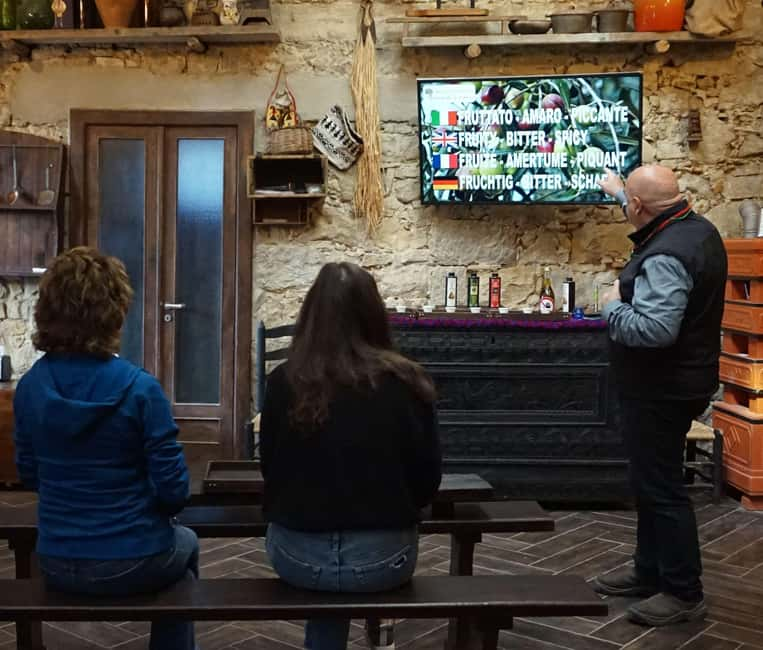
- See old and new oil making: Visit a state-of-the-art mill, then enter the Sa Mola de Su Notariu oil museum.
- Learn the tasting basics: Identify fruitiness, bitterness, and spiciness in extra virgin olive oil.
- Try distinctive flavored oils: Sample Limolio with lemon and Rogo del Tempio with nine traditional Sardinian herbs.
- Eat local without a long lunch: Taste cured meats, natural olives, carasau bread, and regional snacks with sparkling wine.
- Easy Cagliari access: Free parking is available, and bus line 108 takes about 54 minutes from central Cagliari.
- Buy oils at a special price: The shop offers discounted rates reserved for people taking the experience.
A Sardinian oil lesson with a useful takeaway
Many food tastings leave you with a pleasant memory and an empty bottle. This one also gives you a way to shop smarter. During the lesson, you learn to pay attention to the oil’s fruitiness, bitterness, and spiciness, the three traits that help reveal character and freshness.
That matters in Sardinia, where olive oil is more than a condiment. It belongs on bread, vegetables, fish, meat, and many everyday dishes. The class uses slides and explanations to show what high-quality extra virgin olive oil should taste like. You are not simply handed small glasses and told which one is best.
Francesco Locci brings a personal connection to the subject. The family tradition behind the mill has been preserved for more than 400 years, while the present-day operation uses modern equipment and video presentations. That contrast gives the visit some substance. You see how old customs fit beside current production methods.
The experience is also friendly to different kinds of visitors. You do not need previous knowledge of olive oil, and you do not need to be a serious food expert. If you like Italian cooking, this short class can sharpen your palate without asking for half a day of your holiday.
More wine and olive oil tastings in Italy:
- Sorrento Farm and Food Experience including Olive Oil, Limoncello, Wine tasting
★ 5.0 · 2,524 reviews - Sorrento: Lemon, Olive Oil and Wine Tasting Tour with Lunch
★ 5.0 · 300 reviews - Alghero: Wine and Olive Oil Tasting at a Local Farm
★ 4.8 · 294 reviews
Stop 1: arriving at Sa Mola de Su Notariu
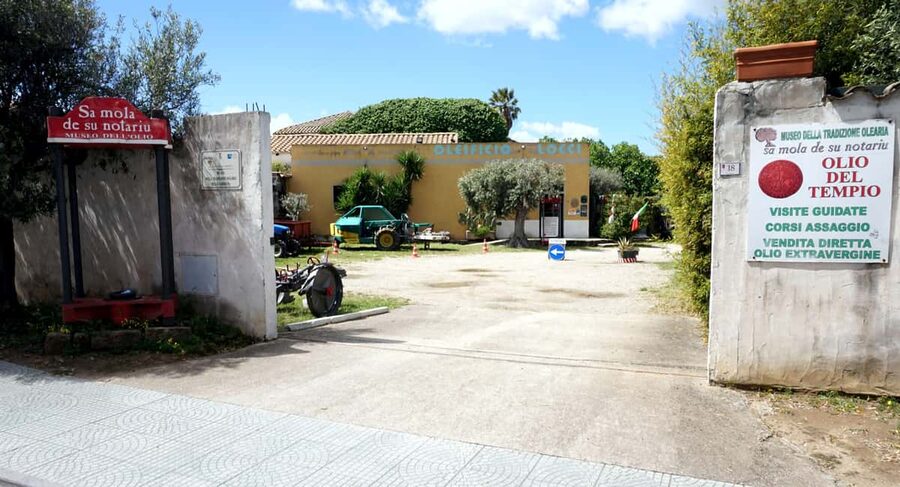
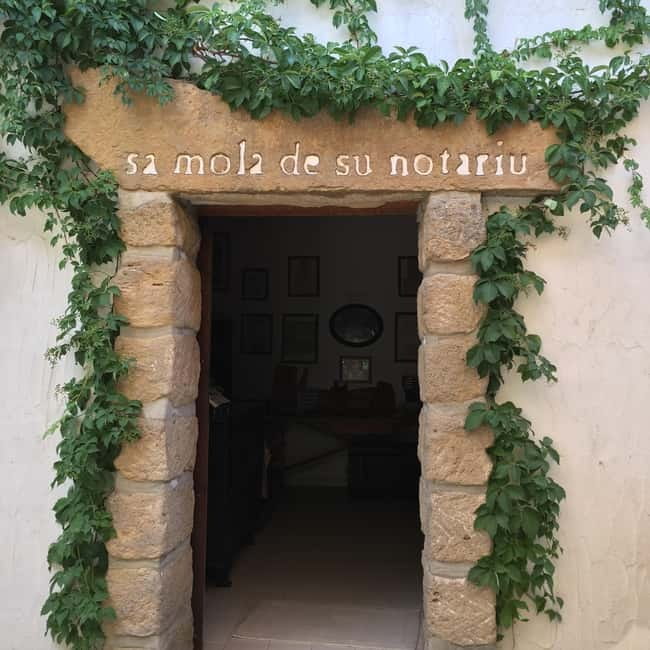
You begin at Museo dell’Olio Sa Mola de Su Notariu, also associated with Olio del Tempio. The museum and mill share the same visit, so you do not need to move between separate sites.
If you drive, you can use the large free parking area. This makes the experience particularly convenient if you are touring southern Sardinia by car. If you are staying in Cagliari without a vehicle, bus line 108 connects the city center with the site in about 54 minutes. Check the day’s schedule before setting out, since a one-hour activity can become much longer if the return connection is poorly timed.
The activity ends where it begins. That simple arrangement works well for a quick morning or afternoon stop. You can also stay a little longer to look at the oils for sale after the formal program, though the scheduled experience itself lasts about one hour.
The site is wheelchair accessible. It is also dog-friendly, with a water bowl available for dogs. Free Wi-Fi is provided, though the real reason to come is the food and local tradition.
Stop 2: a modern mill and the mechanics of oil
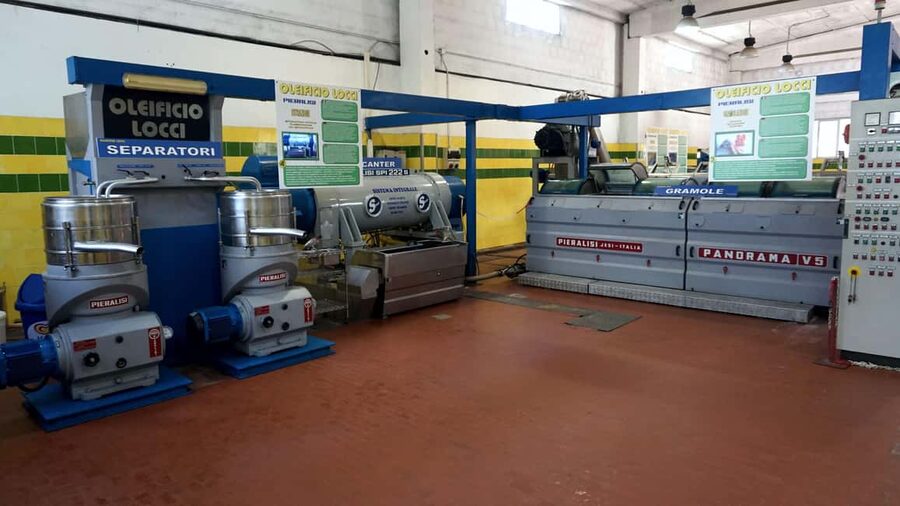
The first guided portion takes place at the production and sales site, with about 10 minutes set aside for the guided tour. This is brief, but the presentation helps you understand the stages of olive oil production.
Video material shows the process from harvesting through processing. You get a clearer idea of how quickly olives must be handled and how equipment affects the final product. The point is not to turn you into an olive farmer. It is to show why production methods matter when you later taste the oil.
A modern mill can seem less romantic than an old stone press, but it answers practical questions. You see where today’s oil comes from, how the olives are handled, and why clean processing is important. The visit also gives context to the family tradition. This is not a museum piece pretending to make oil. It is a working business with current production and products for sale.
The short duration is the tradeoff. If you want to watch an entire harvest or follow every stage in person, this will feel too quick. If you want a compact explanation before tasting, the timing is sensible.
Stop 3: the old museum and its underground cistern
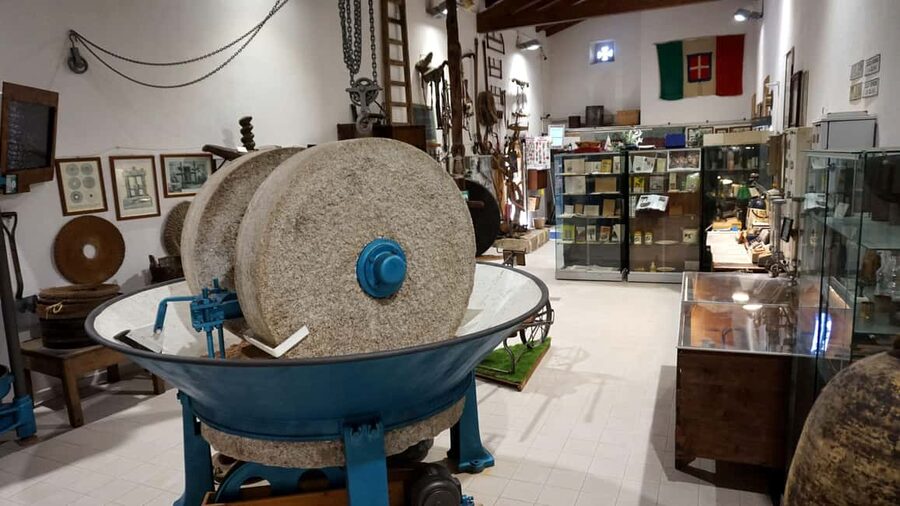
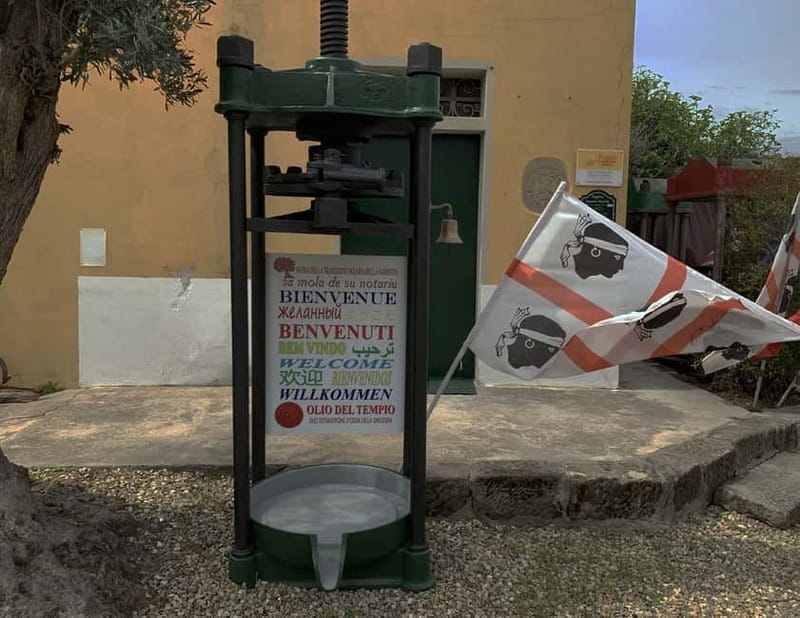
The museum is called Sa Mola de Su Notariu. It presents the older side of Sardinia’s oil culture through equipment, stories, and a collection of old lamps.
One of the more unusual parts is the chance to go down into an old underground cistern. This space holds oil lamps and other objects connected with oil across the centuries. It gives the visit a stronger sense of place than a standard shop tasting. You are not only learning about a product in a classroom. You are seeing the objects that show how important oil once was for lighting, cooking, work, and daily life.
The museum section is included in the price, and it should appeal to anyone interested in local customs as much as food. The old equipment also helps explain the long family connection to oil production. Sardinia’s traditions can be easy to miss if you spend your holiday only at the beach. This stop offers a small but focused look at life beyond the coast.
Expect a compact museum visit rather than a large institution with dozens of rooms. Its strength is the connection between the objects, the mill, and the tasting that follows.
More tastings around Italy:
- Florence: Chianti Wineries Tour with Wine Tasting
★ 4.5 · 10,071 reviews - Small-Group Wine Tasting Experience in the Tuscan Countryside
★ 5.0 · 7,392 reviews - Rome: Tuscany & Montepulciano Day Trip with Lunch & Wine Tasting
★ 4.5 · 5,232 reviews - SMALL-GROUP Wine Safaris: Tuscan Wine Tasting Tours from Florence
★ 5.0 · 5,088 reviews
Stop 4: learning to taste extra virgin olive oil
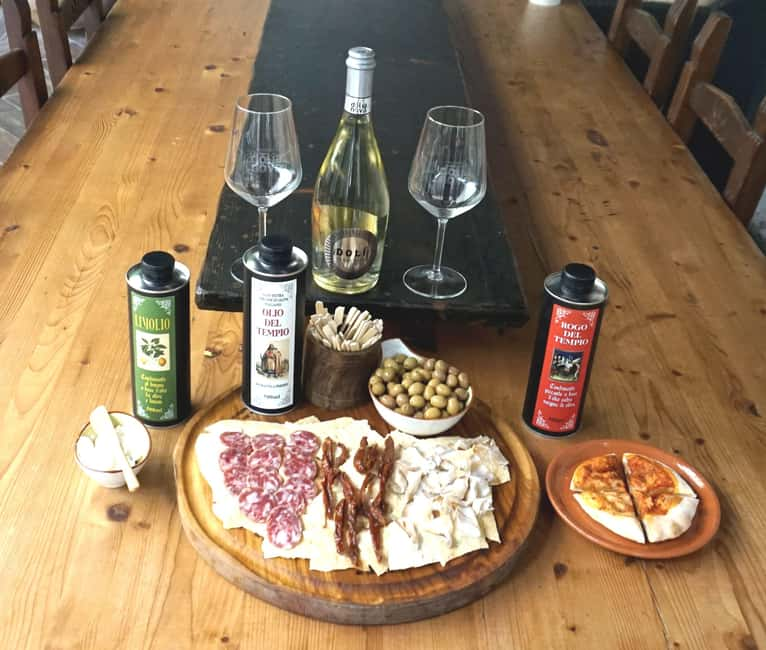
The tasting class lasts about 20 minutes and is the heart of the experience. Francesco leads you through the basic signs of quality and helps you notice flavors that are often lost when oil is poured over food.
You will taste the oil carefully, paying attention to fruitiness, bitterness, and spiciness. These words can sound abstract until you compare oils side by side. The lesson gives them a practical meaning. Fruitiness may suggest the fresh character of the olives, while bitterness and spiciness can add structure and a lively finish.
This is also where you learn to avoid judging an oil by mildness alone. A peppery sensation is not automatically a flaw. In the right balance, it can be part of a fresh, well-made extra virgin olive oil. The class helps you separate personal taste from basic quality.
The information is presented with slides, so the session has a teaching element rather than being only a sales pitch. Still, the visit does end near the shop, and you will have the chance to buy the oils you taste. That is useful if you want to take home a food souvenir, but keep your luggage space in mind. Oil bottles add weight quickly.
Limolio, Rogo del Tempio, and the flavor comparison
Two flavored oils give the tasting a distinctly Sardinian twist.
Limolio combines organic olives and lemons. It is suggested for salads and fish, where the citrus note can brighten a simple dish. You can think of it as a shortcut when you want lemon flavor without squeezing fresh fruit.
Rogo del Tempio is the spicier option. It is made with a bouquet of nine traditional Sardinian herbs and is recommended with meat or baked dishes. Its flavor is more assertive, so it works best when you want the oil to play a clear role rather than sit quietly in the background.
The value of tasting these oils on their own is that you can understand their character before food changes your perception. You then try them with local snacks and see how the pairing works. This is a small lesson, but it can change the way you use flavored oil at home.
The tasting does not promise a large range of every oil produced in Sardinia. It focuses on the mill’s own products and a few distinct styles. That makes it easier to follow in one hour, though serious olive oil enthusiasts may want a longer comparison of producers and regions.
Stop 5: carasau bread, cured meats, and sparkling wine
The final portion lasts about 20 minutes and pairs the oils with Sardinian food. You receive cured meats, fresh sparkling wine, water, natural olives, carasau bread, and regional snacks.
Carasau is especially fitting here. This thin, crisp Sardinian bread is excellent for tasting oil because it adds texture without overwhelming the flavor. Pour a little oil over it, try it plain, and then compare the flavored versions. The bread also makes the tasting feel more like a local table than a formal laboratory exercise.
The cured meats give you a saltier pairing, while olives offer another familiar but useful comparison. Sparkling wine keeps the finish light and makes the stop feel social rather than overly technical.
This is not a full lunch. If you arrive hungry, have a proper meal before or after the activity. The food is intended to support the tasting, not replace a restaurant visit. For many people, that is an advantage. You can fit this experience into a busy sightseeing day without committing to a long meal.
The combination is one of the strongest parts of the visit because it connects the lesson to ordinary eating. You learn what the oil tastes like and how Sardinian foods use it.
What the $60.35 price means
At $60.35 per person, this is not the cheapest food stop you can make in Sardinia. The price covers more than a few samples, though. You receive a guided visit to a working mill, museum admission, the oil quality lesson, several tastings, local food, sparkling wine, parking, and the chance to buy products at special rates.
The value depends on what you want from a food activity. If your priority is quantity, you may find the one-hour format expensive compared with a long lunch. If you value a personal explanation, cultural context, and products you can take home, the price is easier to justify.
I would think of it as a compact cultural experience with food included, not as a meal with a little information attached. The museum and underground cistern add something you would not get from simply visiting a shop. The lesson also has lasting value because it helps you judge oils elsewhere.
The included sparkling wine and local foods make the price feel more reasonable, especially for visitors who would otherwise pay separately for museum entry and a tasting. The special oil discounts may also help if you plan to buy several bottles, though your savings will depend on what you purchase.
Who should book this experience
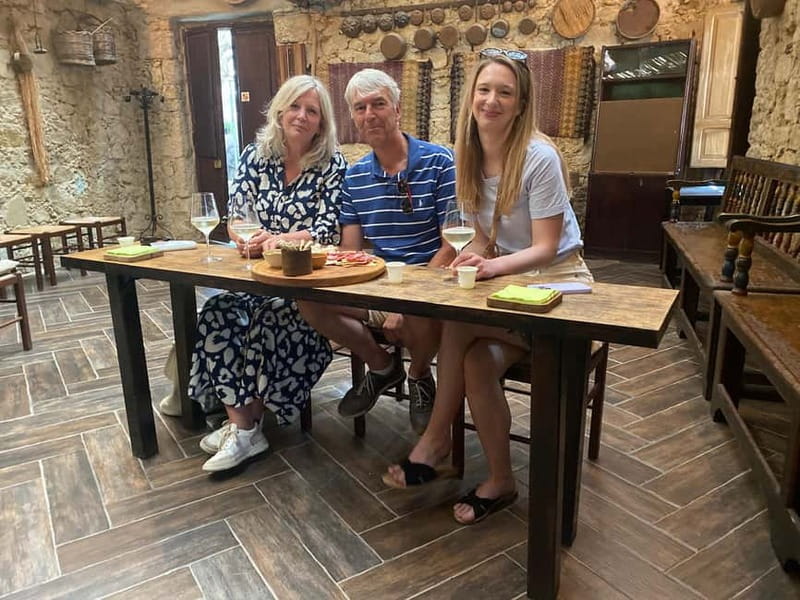
I would recommend it to couples, food-focused visitors, small families, and anyone staying in or near Cagliari who wants a break from the usual sightseeing circuit. It also suits people renting a car and touring southern Sardinia, since the free parking removes one practical headache.
It is a good choice if you want to understand a local product instead of merely sampling it. The lesson is accessible, and the guide speaks English, French, and Italian. Francesco’s warm approach and clear explanations are important here because the subject could otherwise become technical.
The experience is less suitable if you want a long, slow meal, a full agricultural tour, or a large museum with extensive displays. The scheduled program moves quickly. You will get the main ideas, taste several products, and return to the starting point in about an hour.
Families with dogs can bring them, and wheelchair users can take part because the activity is wheelchair accessible. Since the activity has a fixed short duration, it can also work well as an add-on before another Cagliari-area visit.
You can cancel up to 24 hours before the start for a full refund, and the reserve-now, pay-later option keeps your plans flexible. Starting times vary, so check availability before arranging your bus connection or another booking.
Should you book the oil school?
Book it if you want a focused Sardinian food experience with a real lesson attached. The best reasons are the mix of modern production, the old oil museum, the underground cistern, and the chance to taste oil with local foods rather than swallowing samples in isolation.
I would especially choose it if you are curious about olive oil but have never learned what fruitiness, bitterness, and spiciness mean. You will leave with a better palate and a practical shopping skill.
Skip it if you are looking for a full meal or a several-hour countryside outing. At $60.35, the experience earns its price through the museum, instruction, tasting, and cultural setting. It is a compact stop, but a worthwhile one for food lovers who want more than another souvenir bottle.
FAQ
How long does the olive oil experience last?
The activity lasts one hour. The schedule includes a guided mill tour, an olive oil quality class, food tasting, wine, and a return to the starting point.
Where does the activity begin and end?
It begins and ends at Museo dell’Olio Sa Mola de Su Notariu, also associated with Olio del Tempio. You can park in the museum parking lot.
Can I reach the museum by bus from Cagliari?
Yes. Bus line 108 runs from central Cagliari, and the journey takes about 54 minutes.
What food and drinks are included?
The tasting includes cured meats, fresh sparkling wine, water, natural olives, carasau bread, and regional Sardinian snacks.
Which languages are available?
The live guide is available in English, French, and Italian.
Is the activity wheelchair accessible and dog-friendly?
Yes. The activity is wheelchair accessible and welcomes dogs. A water bowl is available for dogs.
More Food in Italy
- Rome: Guided Food Walking Tour with Wine in Trastevere
★ 4.9 · 3,105 reviews - Rome: Trastevere Food tour with Free-Flowing Fine Wine
★ 5.0 · 2,853 reviews - Rome: Gourmet Food Tour with Dinner & Barolo Wine
★ 4.9 · 2,347 reviews - Rome: Award Winning Trastevere Group Food Tour with Wine
★ 5.0 · 2,273 reviews
More Food & Drink in Italy
- Winner 2025 Florence Sunset Food & Wine Tour by Eating Europe
★ 5.0 · 5,015 reviews - San Gimignano, Siena, Monteriggioni, Chianti Day Trip with Lunch & Wine Tasting
★ 4.5 · 4,432 reviews - From Florence: Small Group Wine Tasting Tour to Tuscany
★ 4.9 · 3,902 reviews - Rome Food Tour: Unlimited Tastings with Fine Wine & Barolo
★ 5.0 · 3,365 reviews
Just added around Italy
- Wine Degustation Ebrezze★ 4.5 · 86 reviews
- Guided winery tour with tasting in Bolzano at the SKYWINE PAVILLON★ 5.0 · 61 reviews
- Bologna: Tagliatelle & Ragù Home Cooking Class with wine★ 4.5 · 55 reviews
- Bologna Food & Wine tour with a local Chef★ 3.0 · 30 reviews
- The downtown wine experience★ 5.0 · 35 reviews
- Parmigiano Wine and Balsamic Vinegar Experience from Bologna★ 5.0 · 30 reviews
- Private Bologna Food & Market Tour with 6 Tastings & Wine★ 5.0 · 102 reviews
- Eating Bologna Food and Wine Tour★ 5.0 · 96 reviews
Wine Tours in Italy, compared.

Tuscany Day Trip from Florence: Siena, San Gimignano, Pisa and Lunch at a Winery
Read our review →
Small-Group Wine Tasting Experience in the Tuscan Countryside
Read our review →
Pasta & Tiramisu Cooking Class with Unlimited Wine
Read our review →
Pisa, Siena and San Gimignano Day Trip with Lunch & Wine Pairing
Read our review →
Tuscany & Montepulciano Day Trip with Lunch & Wine Tasting
Read our review →Browse the lists this tour appears in