
REVIEW · SPAIN
La Palma: Bodegas Teneguia Winery Tour with Wine Tasting
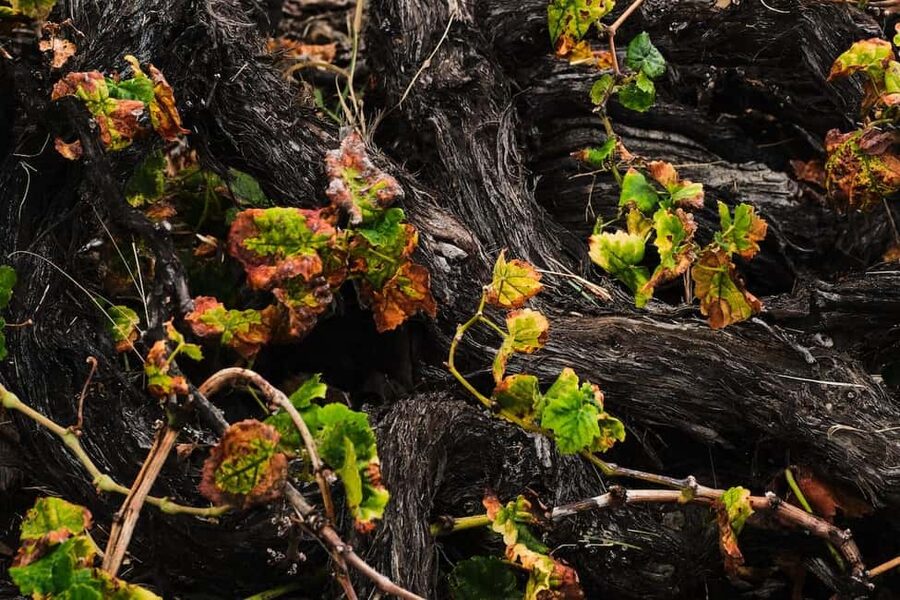
The most interesting part of this La Palma winery visit is the link between volcanic soil and local wine. At Bodegas Teneguía in Fuencaliente, you follow the grapes from harvest and pressing through fermentation, aging, and bottling, then taste the finished result.
I like the chance to see the old cement wine tanks built in 1945, along with the oak barrels in the aging room. I also like the price: at $17 per person, this is an affordable way to add a local food-and-drink stop to your La Palma plans.
The main catch is the bilingual format. If one guide gives every explanation in English and Spanish to a large group, the one-hour visit can stretch toward two hours, with a lot of standing and only two wines offered for tasting.
Key points before you book
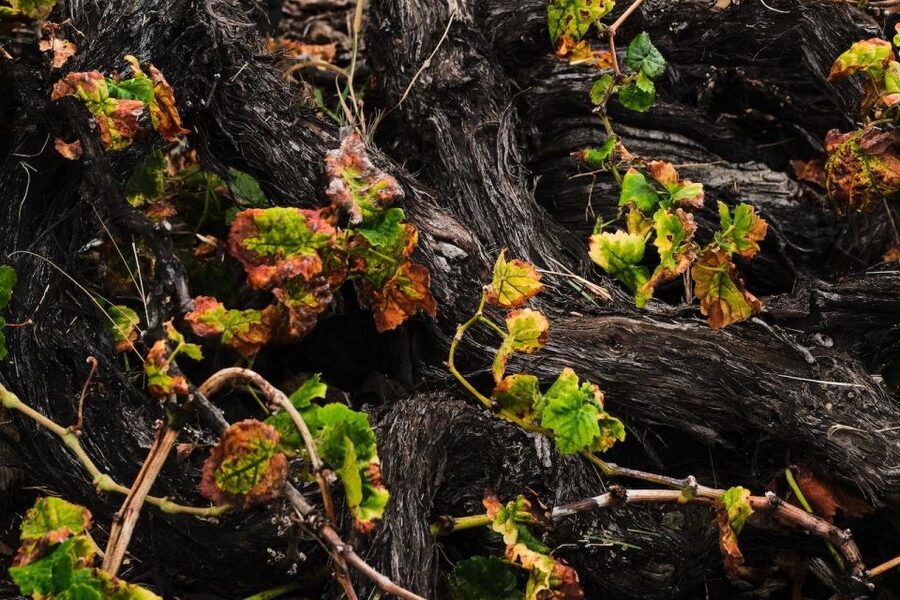
- Volcanic-soil winemaking: Learn how grapes are grown and processed in Fuencaliente, one of La Palma’s best-known wine areas.
- Historic cellar equipment: See authentic cement tanks dating from 1945, plus oak barrels used for aging.
- Two language options: Tours are offered in English and Spanish, though a bilingual group may take longer.
- Wine tasting at the end: The tasting includes the winery’s red and white wines, with more bottles available to buy.
- Good low-cost add-on: The $17 price is attractive if you are already visiting southern La Palma and have your own transport.
- Allow extra time: The advertised duration is one hour, but a recent large bilingual group took about two hours.
A La Palma winery rooted in volcanic ground
Bodegas Teneguía is in Fuencaliente, a municipality known for viticulture in the south of La Palma. The winery has operated for more than 70 years, giving the visit a strong sense of place without turning it into a grand museum tour.
You come here to see working wine production. The focus is practical: how grapes are cultivated, harvested, stripped of their stems, pressed, fermented, aged, and bottled. If you enjoy seeing the machinery and storage areas behind a finished product, this visit offers more than a quick sample at a shop counter.
The volcanic setting matters because it shapes the story of the wine. Your guide explains how the vines grow in volcanic soil and how local conditions affect the grapes. The information provided does not give a detailed lesson on individual grape varieties or specific vineyard plots, so you should expect a broad introduction rather than a technical tasting class.
That is part of the appeal for many people. You can understand the basic process without needing previous wine knowledge. The visit is aimed at curious holidaymakers, not only serious wine collectors.
More wineries worth an afternoon in Spain:
- Barcelona: Montserrat, Cogwheel, Black Madonna & Winery Tour
★ 4.8 · 5,633 reviews - Montserrat with Black Madonna & Medieval Winery with Tapas/Lunch
★ 5.0 · 5,209 reviews - Montserrat Full Day Tour with Farmhouse Lunch and Winery Visit
★ 5.0 · 1,068 reviews
Starting in the reception hall
The tour begins in the winery’s reception area. This is where the guide sets out the basic stages of production and explains what happens to the grapes after harvest.
You learn about the raw material used in winemaking and the work involved in getting grapes from the vine to the cellar. The guide also covers destemming and pressing, two early steps that are easy to overlook when you simply order a glass of wine.
The distinction is useful. Destemming removes the stems before the grapes continue through production, while pressing extracts juice from the fruit. You do not need to remember every technical term, but seeing these steps placed in the larger process helps you understand why winemaking takes time and careful handling.
The guide speaks English or Spanish. This is helpful for international visitors, but you should check how the tour will be conducted when you arrive. A single bilingual explanation can make the first section much slower than expected.
From harvest to fermentation
The next part connects the harvest with the cellar. You hear how the grapes are collected and what happens before fermentation begins. The supplied information does not promise a vineyard walk or a hands-on harvest activity, so think of this as an indoor explanation rather than a farm visit.
That distinction matters if you are planning your day. The scenic views of vineyards are part of the setting, and you may enjoy a glass of wine while looking out toward them, but the main tour takes place inside the winery.
I like this part because it gives context to the tasting that follows. A red wine is not simply poured into a glass by magic. You see the chain of work behind it, from vine cultivation to processing. The explanation is especially useful if you have never visited a working cellar before.
The tour may suit families and mixed-age groups because the subject is easy to follow. Still, the standing time can be tiring. One recent visit with a group of roughly 30 people took about two hours, and there was no chance to sit during the tour. If you have limited mobility or dislike long periods on your feet, ask about the pace before committing.
The 1945 cement tanks and oak aging room
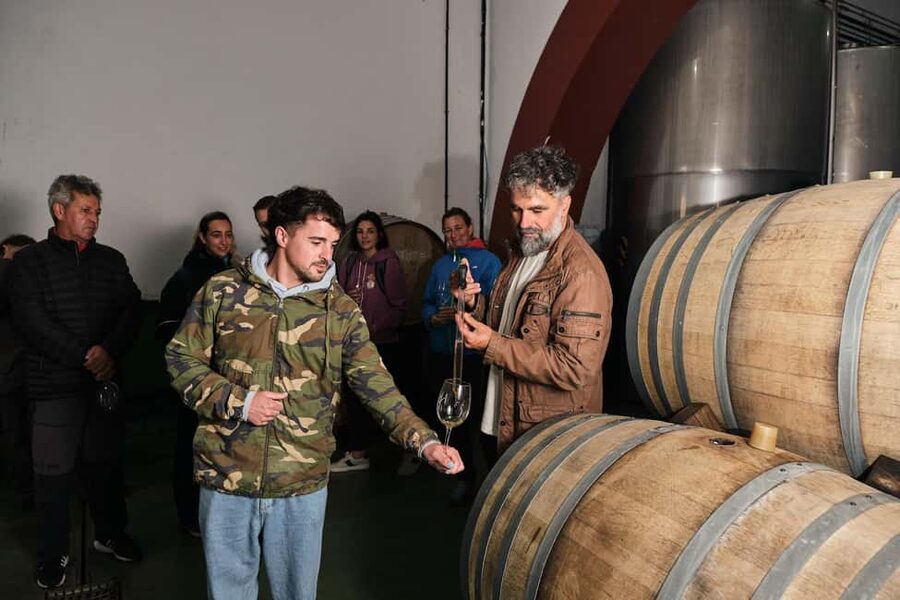
The most memorable stop is the aging area. Authentic oak barrels line the room, and the wine is stored here after fermentation. The barrels give you a clear picture of the traditional cellar stage, when the wine develops before bottling.
The hall also contains cement warehouses built in 1945. These old tanks are an unusual feature and add a physical sense of the winery’s past. You are not only hearing that Bodegas Teneguía has been producing wine for decades. You are seeing equipment that has been part of the cellar since the middle of the 20th century.
For me, this is the strongest part of the visit. The old cement construction contrasts with the oak barrels and modern bottling work. It gives the tour texture, even if you are not a wine expert.
Do not expect a long, quiet cellar tasting among the barrels. The tour is a guided walk, and a large group can make the space feel crowded. If the explanation is repeated in two languages, you may spend more time listening than looking.
More tastings around Spain:
- Montserrat & Cogwheel Train, Gourmet Wine Tasting & Tapas/Lunch
★ 5.0 · 6,290 reviews - Madrid Tapas & Wine Tasting Walking Tour – Small Group Local Bars
★ 5.0 · 3,644 reviews - Toledo Tour & Vineyard Walk with Wine Tasting from Madrid
★ 5.0 · 2,546 reviews - Madrid: Tapas & Wine Tasting Tour with Local Guide
★ 4.8 · 2,171 reviews
Bottling and the final wine tasting
The tour ends near the bottling area, where you see the last stage before the wine reaches the shelf. This completes the simple grape-to-bottle story introduced at the start.
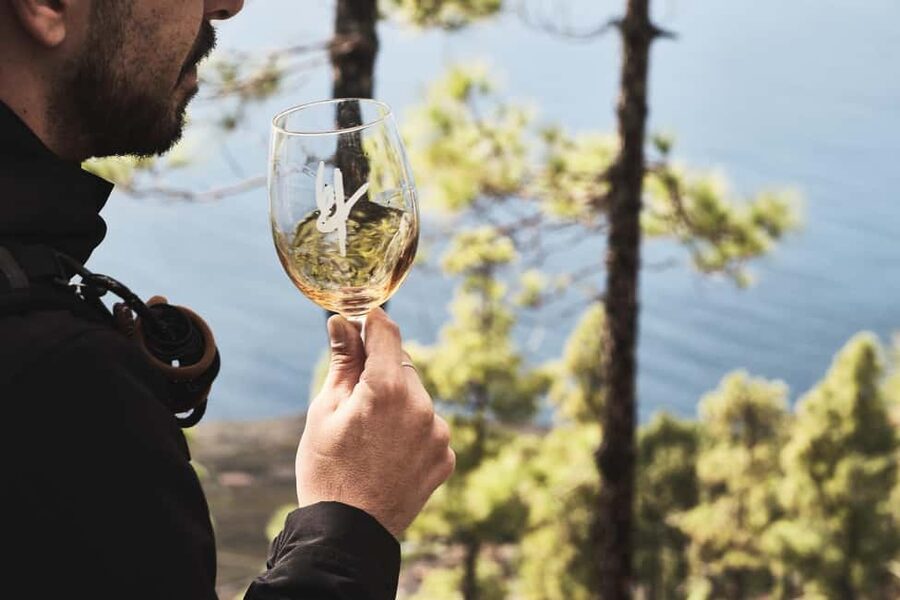
The tasting then offers two wines, one white and one red. That is enough to give you a basic comparison, but it is not a broad sampling of the winery’s full range. If you have visited several wineries, you may find the tasting modest.
The wine served is described as the winery’s best-quality production, but the available details do not specify the labels, grape varieties, vintages, or tasting notes. You should not book this expecting an advanced sommelier session or a flight of many wines.
The tasting is still useful because you have just seen the production spaces. You can connect the color, aroma, and flavor of each wine with the work explained during the tour. You can also buy bottles at the winery’s point of sale, which is convenient if you find a favorite.
One unusual detail is that a beautiful explanation of another wine was given during one visit, but that wine was not available to taste. This is a small disappointment, especially for anyone hoping to sample more than two choices. Ask what is actually included in the tasting on the day.
Is $17 good value?
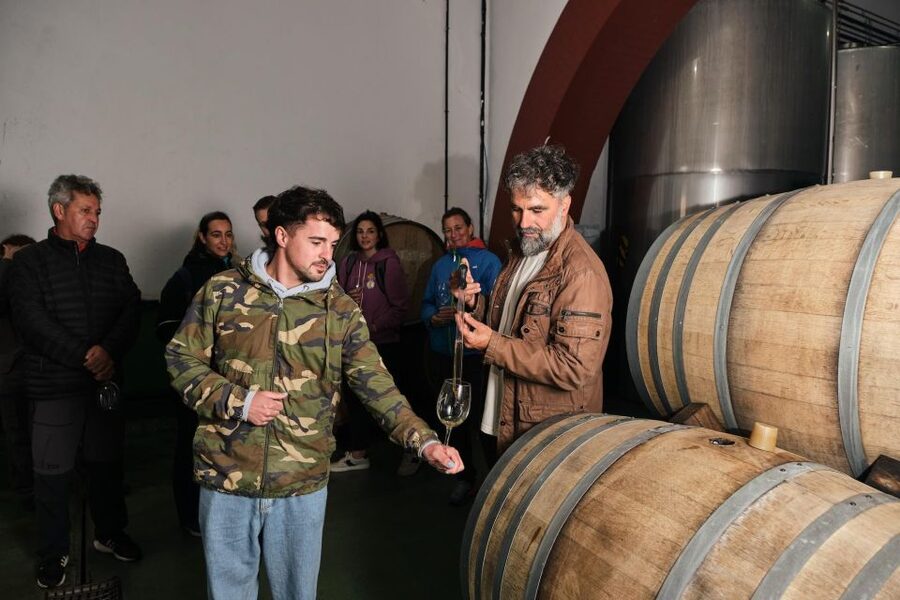
At $17 per person, I consider the tour fairly priced for a one-hour winery visit with a guide and tasting. You are paying for a look inside a long-established cellar, an explanation of production, access to the aging rooms, and two wines.
The value is strongest if you are already exploring Fuencaliente and have your own way to reach the winery. Transportation is not included, and neither are meals or extra drinks. A rental car or other independent transport is therefore part of your total cost.
The price becomes less attractive if the visit expands to two hours without adding extra wine or seating. A large bilingual group can double the time while leaving the tasting unchanged. You may still enjoy the historic cellar, but the experience is less efficient.
For a first winery visit, the price works well. For a committed wine enthusiast looking for several vintages, detailed grape information, or a long tasting, you may want something more specialized.
Timing, transport, and practical comfort
The visit begins and ends at Llanovid S. C. L. Bodegas Teneguía. You are responsible for getting there, so build driving time into your plans. The tour itself does not include hotel pickup or drop-off.
The stated duration is one hour, but I would leave extra room in your schedule. The bilingual format and group size can affect the pace. A recent visit lasted close to two hours because the guide gave the same information in English and Spanish and the group was large.
Wear comfortable shoes and comfortable clothing. This is a walking tour through cellar areas, and you may be on your feet for the whole visit. There is no meal included, so eat beforehand if you need more than a small tasting.
Be careful with the calendar around local holidays. One booking in early January found the winery closed, apparently around Three Kings celebrations, after a one-hour drive. The provided information does not confirm the exact holiday schedule, so I would verify the opening time directly before making a special trip, especially in the first days of January.
Cancellation is flexible: you can cancel up to 24 hours ahead for a full refund. You can also reserve and pay later, which helps if your route around La Palma is still changing.
Who will enjoy Bodegas Teneguía most?
I would choose this for you if you want a short introduction to La Palma wine, enjoy local production, and like seeing the physical spaces behind a familiar product. It is also a sensible stop for couples, small groups, and anyone building a southern La Palma day around food, wine, and scenery.
It works particularly well for visitors who have never toured a winery. The guide explains the process in plain stages, and the final tasting gives the visit a clear finish.
You may want to skip it if you dislike standing, have little patience for repeated bilingual explanations, or expect a large tasting selection. The two-wine sample is limited, and a crowded group can make the tour feel slow.
The score of 4.5 from 67 ratings suggests that the basic package delivers good value for many people. The strongest praise is for the price and the guide’s presentation. The sharpest criticism concerns the long bilingual format, the large group, the lack of seating, and the limited tasting.
My recommendation for your La Palma plans
I would book Bodegas Teneguía if you are already near Fuencaliente and want an affordable, straightforward look at Canarian wine. The old cement tanks, oak barrels, and volcanic-soil story give the visit real local character.
I would not make it the sole reason for a long drive unless you are especially interested in wine. The visit can be longer than advertised, and the tasting is small. Check the opening date carefully around holidays, ask whether the guide will speak both languages to the same group, and allow more than one hour.
For most visitors, this is a good-value cellar tour rather than a grand wine event. Go for the setting, the production story, and the historic equipment. Buy a bottle if you enjoy the tasting, but keep your expectations realistic about the number of wines and the pace.
FAQ
Where does the Bodegas Teneguía tour begin and end?
The tour begins and ends at Llanovid S. C. L. Bodegas Teneguía in Fuencaliente, La Palma.
How long does the winery visit last?
The stated duration is one hour. A bilingual group may take longer, and one recent visit lasted about two hours.
What languages are available?
The live guide offers the tour in English and Spanish.
What wines are included in the tasting?
The tasting includes two wines, one white and one red. The available information does not name the labels or grape varieties.
Is transportation included?
No. You must arrange your own transportation to and from Bodegas Teneguía.
Can I buy wine after the tour?
Yes. The winery has a point of sale where you can purchase wines you tasted and other available bottles.
More Food & Drink in Spain
- Barcelona: Tapas Walking Tour with Food, Wine, and History
★ 4.8 · 4,261 reviews - Sevilla Food Tour: Tapas, Wine, History & Traditions
★ 5.0 · 3,468 reviews - Barcelona: Food Walking Tour with Tapas and Wine
★ 4.9 · 2,180 reviews - Barcelona Tapas Walking Tour: Food, Wine & History
★ 4.5 · 1,928 reviews
Just added around Spain
- Bilbao Pintxo Tasting Paired With Spanish Wines★ 5.0 · 55 reviews
- Rioja wine region with visit to winery & Vitoria-Gasteiz★ 4.5 · 32 reviews
- La Rioja Boutique Wine Tour & Charming Lunch (From Bilbao)★ 5.0 · 62 reviews
- Rioja Wine Tour: 2 Wineries From Bilbao★ 5.0 · 111 reviews
- Rioja & Txakoli Wine Tasting in Bilbao with a Local Sommelier★ 5.0 · 40 reviews
- Basque Best Bites – #1 Food & Wine tour of Bilbao★ 5.0 · 268 reviews
- Complete winery experience: visit, tasting and traditional food★ 4.5 · 175 reviews
- 2 Wineries Small Group Tour with Free Hotel PickUp from Sitges★ 5.0 · 83 reviews
Wine Tours in Spain, compared.

Montserrat Half-Day Tour with Tapas and Gourmet Wines
Read our review →
Montserrat & Cogwheel Train, Gourmet Wine Tasting & Tapas/Lunch
Read our review →
Barcelona Tapas and Wine Experience Small-Group Walking Tour
Read our review →
Montserrat, Cogwheel, Black Madonna & Winery Tour
Read our review →
Montserrat with Black Madonna & Medieval Winery with Tapas/Lunch
Read our review →
Tapas Walking Tour with Food, Wine, and History
Read our review →
Madrid Tapas & Wine Tasting Walking Tour – Small Group Local Bars
Read our review →
Sevilla Food Tour: Tapas, Wine, History & Traditions
Read our review →Browse the lists this tour appears in