
REVIEW · SPAIN
Gran Canaria: Rum, Wines and Banana Tour
The best part of this eight-hour outing is its mix of real island produce and local know-how. You move from banana farming in Arucas to rum production, then on to Agaete for wine, coffee, and a hands-on mojo sauce session. It is a food tour, but it also gives you a useful introduction to Gran Canaria’s northern countryside.
I like the generous tastings at Arehucas and the relaxed workshop at the finca, where you make mojo and eat it with Canarian potatoes. I also like the guides’ language skills: Tom, Julia, Yeray, and others have handled English, Spanish, German, and sometimes more than one language during the same day. The main drawback is the long pickup run, especially from resorts in the south, and large groups can make some stops feel rushed.
Key things to know before you book
- Arehucas means serious rum tasting: You may sample many styles, including aged bottles, so pace yourself.
- The banana stop is more than a quick photo: You learn how bananas shaped Canarian identity and taste products made from them.
- Agaete supplies the best setting: The wine and coffee finca brings mountain views, local produce, and the mojo workshop.
- Lunch costs extra: Expect an optional meal in or near Agaete, priced at about €14 to €15 in the accounts provided.
- Pickup requires care: There is no pickup in Las Palmas city or at the harbor. Some guests must reach Parque Tropical themselves.
- This is not a mobility-friendly tour: Non-folding wheelchairs, electric wheelchairs, and mobility scooters are not accepted.
A full day tasting northern Gran Canaria
At $81 per person, this tour gives you a lot for one day: transport, several guided visits, rum, wine, coffee, banana products, and a cooking activity. I see it as good value if you want an organized introduction to northern Gran Canaria and would otherwise need to arrange several separate visits.
The day is not built around one grand attraction. Instead, it links several small pieces of island life. That is its charm. Bananas explain agriculture and identity. Rum connects the island to sugar cane and industrial production. Agaete brings together coffee, wine, volcanic soil, and home cooking.
You should expect a sociable day with people from different hotels and countries. The group may travel in a minibus, a larger coach, or a smaller transfer vehicle depending on the pickup stage. The experience has earned a 4.6 rating from 261 bookings, and the strongest praise centers on the guides, the range of tastings, and the amount of island information shared along the road.
A few more wine days around Spain worth comparing
- Montserrat Half-Day Tour with Tapas and Gourmet Wines
★ 5.0 · 7,359 reviews - Montserrat & Cogwheel Train, Gourmet Wine Tasting & Tapas/Lunch
★ 5.0 · 6,290 reviews - Barcelona Tapas and Wine Experience Small-Group Walking Tour
★ 5.0 · 5,804 reviews
The banana story begins in Arucas
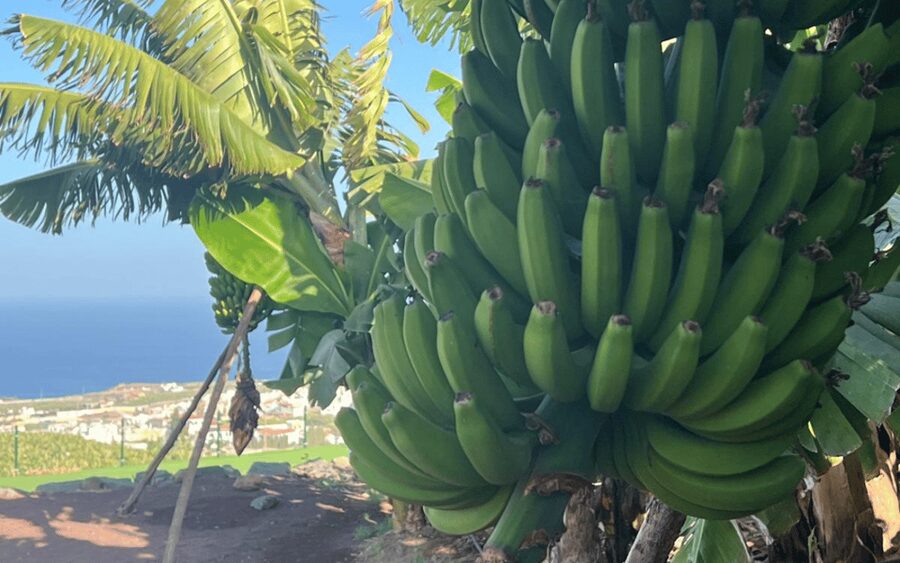
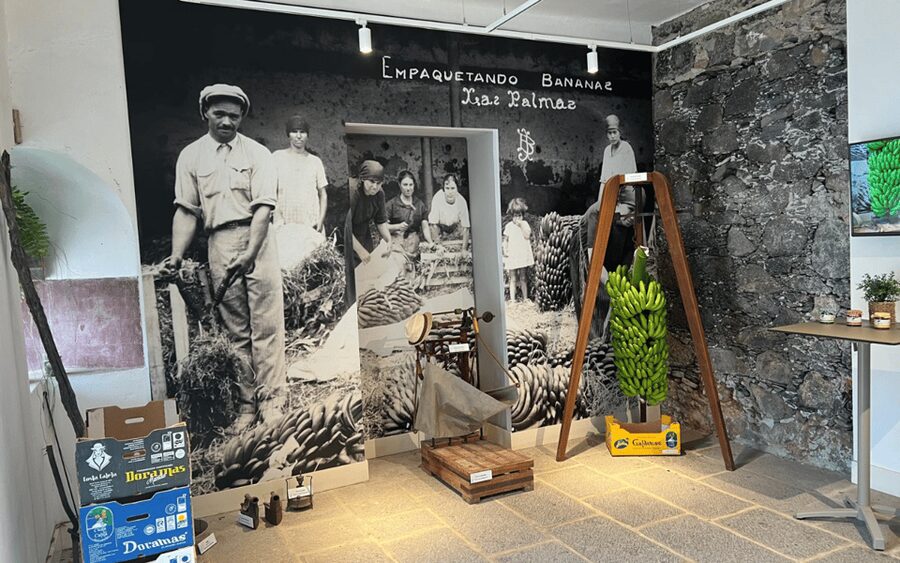
The banana stop gives the day a good opening because it starts with something familiar and makes it local. Bananas are not just a crop here. They are part of the Canary Islands’ public identity, food culture, and agricultural past.
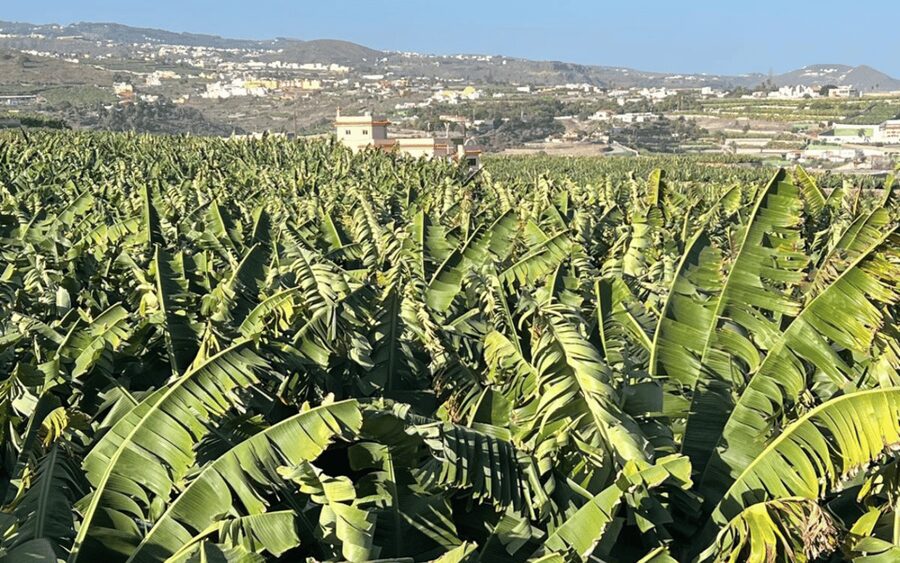
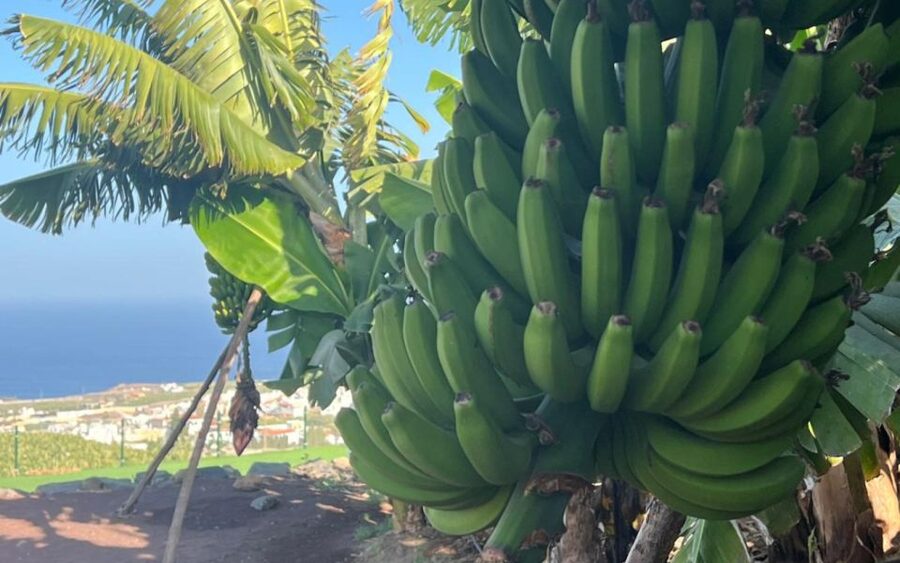
At the traditional banana farm, you learn about the fruit’s arrival in the islands, its different varieties, and its role in Gran Canaria. The tasting can include bananas and products made from them, such as wine, liqueurs, pâtés, and creams. I like this stop because it shows you how one crop can appear in both everyday food and more unusual products.
Do not expect a long independent walk through a huge plantation. The visit is guided, and some people would like more free time among the banana plants. If you want detailed farming photography or a slow rural walk, this may feel brief. If you want a clear introduction with samples, it does the job well.
The farm also provides a useful reminder that island food is shaped by limited space and local growing conditions. You are not simply tasting a banana and moving on. You are seeing how agriculture became part of the character of Gran Canaria.
Inside Arehucas, where sugar cane becomes rum
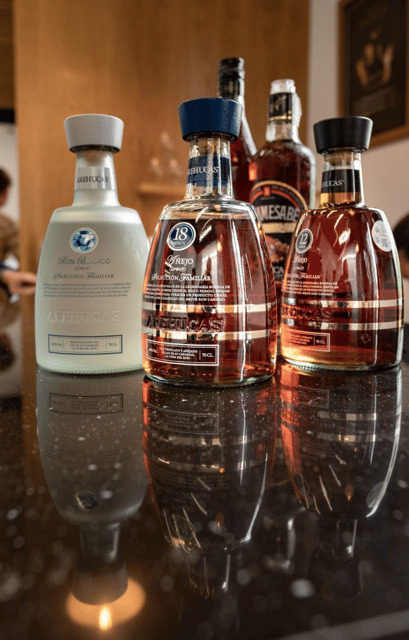
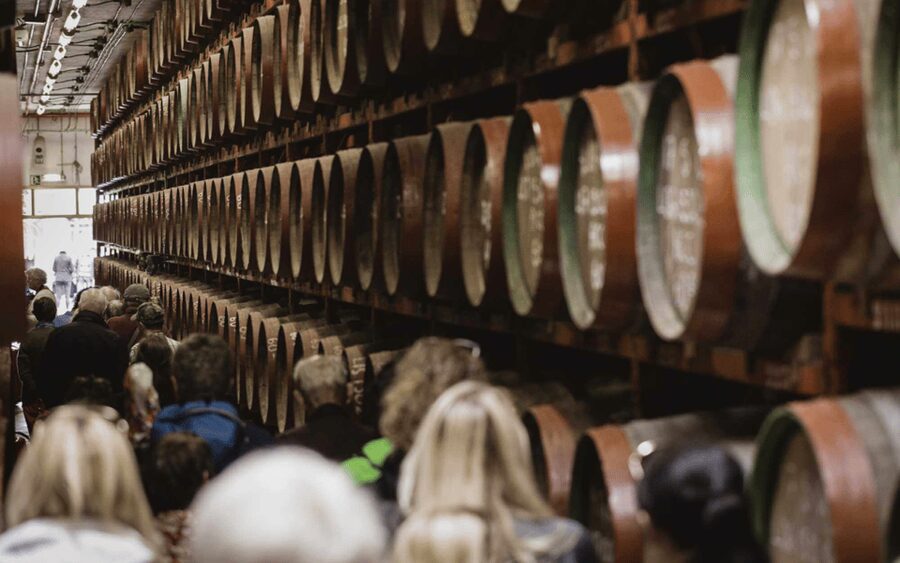
The Arehucas Rum Distillery in Arucas is usually the day’s biggest crowd-pleaser. The visit explains fermentation and distillation, showing how sugar cane is turned into rum. The smell of the production area helps make the process feel less abstract than a standard museum talk.
The tasting is generous. You may try a wide range of rums and rum-based drinks, sometimes more than eight or ten samples. Older bottles can also be available, including very well-aged examples. The Carta Oro is singled out as one to try if you like a stronger flavor.
Here is my practical advice: do not treat the tasting like a race. The portions can be surprisingly generous, and the next stop still involves food, wine, and coffee. A soft drink such as cola or lemonade can be useful if you prefer to mix the rum rather than drink every sample neat.
The distillery visit is guided in English and German, with the wider tour also offered in Spanish. The distillery staff, including guides such as Carla and Lis on different departures, add detail to the production visit. A large group can make the tour feel hurried, though the building and tasting usually make a strong impression.
The rum stop also changes the rhythm of the day. The banana farm is agricultural and explanatory. Arehucas feels more industrial and historic in its approach. You get a better sense of how Gran Canaria’s food culture includes both small farms and established producers.
Agaete brings the best views and a pause by the sea
After the morning visits, the tour heads toward Agaete. Depending on the day’s arrangements, lunch is offered in or near the coastal area of Playa de las Nieves. The stop gives you time to eat, walk, or look around by the sea.
Lunch is not included. The set option has been priced at about €14 to €15 and can include soup or salad followed by paella, with details varying by departure. I would not book this meal automatically. If you have dietary needs, including vegan preferences, or simply want more time in Agaete, you may prefer to bring food or choose your own option if the schedule allows.
Some people have found the included-style set meal ordinary rather than especially representative of Canarian cooking. The quantity can be suitable, but the meal may not include touches such as mojo, pesto, or butter. I would ask about the exact menu before deciding.
The coastal stop is valuable even if you skip lunch. You can use the break to see the pebble beach and harbor area, though the amount of free time depends on the day’s timing. Agaete is one of the prettiest parts of the route, and several people would rather have a little more time there than spend the entire break at the group meal.
Same region, a completely different afternoon:
- Barcelona: Montserrat, Cogwheel, Black Madonna & Winery Tour
★ 4.8 · 5,633 reviews - Montserrat with Black Madonna & Medieval Winery with Tapas/Lunch
★ 5.0 · 5,209 reviews - Barcelona: Tapas Walking Tour with Food, Wine, and History
★ 4.8 · 4,261 reviews - Madrid Tapas & Wine Tasting Walking Tour – Small Group Local Bars
★ 5.0 · 3,644 reviews
Wine, coffee, and mojo in the Agaete hills
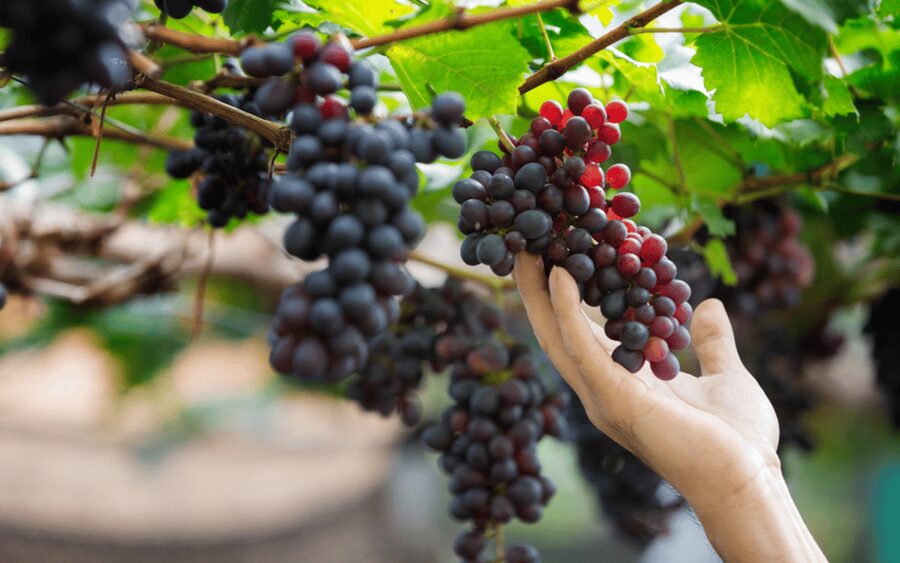
The final major stop takes you to a finca among the hills near Agaete. This is where the tour feels most personal. You learn about vines grown in volcanic island conditions, taste local wines, sample coffee, and take part in a mojo workshop.
The wine tasting usually includes three small glasses. It is a tasting rather than a full meal, so keep your expectations in check. You get a chance to compare local varieties and hear about the winemaking process, but the portions are modest.
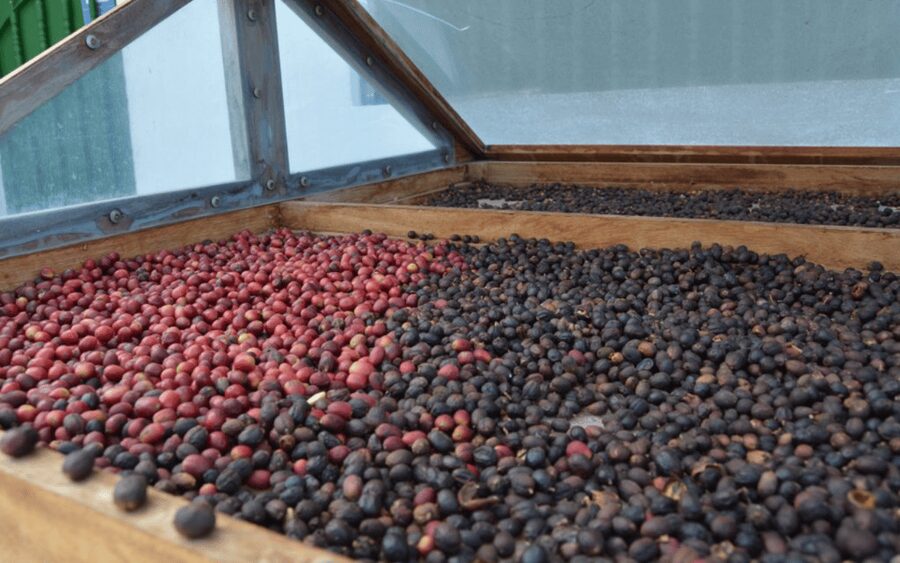
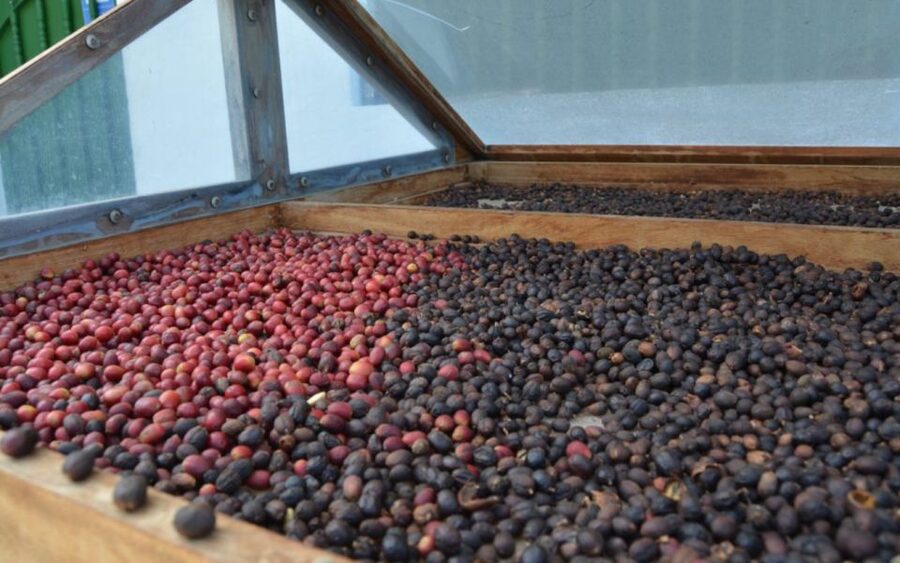
The coffee portion is also fairly simple. It may amount to one cup rather than a broad flight of coffees. Still, the setting and the explanation of local cultivation add value. Coffee grown in the Canary Islands is a distinctive part of the region’s agricultural story, and this stop lets you connect the drink in your cup with the farm around you.
The most enjoyable part for me is the mojo session. Mojo is one of the Canary Islands’ signature sauces, and making it yourself gives the day a useful hands-on finish. You mix the ingredients, then eat the sauce with Canarian potatoes. It is easy to follow and gives you something practical to repeat at home.
This stop also brings the group together. You are no longer only listening to a guide or moving through a tasting line. You are making something, comparing results, and sharing food. The finca’s views are another reason this stop receives such strong praise.
The guides shape the whole day
A long food tour can become tiring if the guide only handles transfers. Here, the guide often adds a running explanation of Gran Canaria’s history, agriculture, towns, and scenery during the drives.
Tom has led several departures and is especially effective when switching between English, German, Spanish, and, on some occasions, Flemish. Julia has also guided multilingual groups, and Yeray has received strong praise for his presentation. Names and staffing can change, so you should not book on the assumption that one particular guide will lead your date.
The multilingual format is impressive, but it has a tradeoff. If several languages are needed, explanations take longer and the balance between languages may not always feel even. A few people have found that more time was given to German than English on a particular departure. If you sit at the back of a large coach, it may also be harder to hear.
I recommend sitting near the front when possible and telling the guide if you cannot hear. The best guides make the translation feel natural, but the group size and language mix still affect the pace.
Transport, timing, and the real cost of the day
The advertised duration is eight hours, and that includes the return transfer. Pickup times and stop lengths are approximate because the tour collects people from several resort areas.
This is where you need to read the practical details carefully. There is no pickup or drop-off in Las Palmas city or at the harbor. If you are staying there, you must make your own way to Parque Tropical in the south of the island. The return is to the same pickup point.
From resorts such as Mogán, the outward journey can become very long because of multiple collections. One departure took more than three hours to reach the first activity, with no toilet stop during that stretch. That is not typical advice to ignore. Use the facilities before boarding, carry water, and be prepared for a slow start.
The operator may use a small minibus for part of the transfer and a larger vehicle for the main route. Some departures have had groups of around 15, while others have used a coach carrying more than 50 people. A smaller group gives you a better chance of hearing every explanation and moving through tastings quickly.
At $81, I still consider the tour fair value if you want all the transport arranged. Separate transfers to Arucas, Agaete, and the inland finca could be awkward, especially if you want to taste rum and wine without driving. The value drops if you dislike long bus rides, prefer independent meals, or want extended time at each location.
Lunch is the main extra cost. Souvenirs are also separate, and the banana stop offers several fruit-based products to buy. Bring weather-appropriate clothing, since the day moves between coastal and inland areas.
Who will enjoy this tour most
I would recommend it to you if you enjoy food with a story behind it. You do not need to be a rum expert or a wine enthusiast. Several people who were not especially interested in bananas or rum still found the farm and distillery worthwhile because the guides explain the wider island context.
It suits couples, solo visitors, and small groups who want a ready-made day outside the resort. The multilingual setup also works well for mixed-language groups, provided you accept that translations can affect the pace.
It is less suitable if you want a quiet, slow visit or a serious wine tour. The wine and coffee tastings are fairly short, and the rum tasting can feel more generous than refined. You are sampling many things rather than spending an afternoon studying one producer.
The tour is also not suitable for people with mobility impairments or wheelchair users. Non-folding wheelchairs, electric wheelchairs, and mobility scooters are not allowed. The day includes walking at farms, the distillery, and the finca, so ask before booking if you have difficulty on uneven or extended routes.
Booking details worth handling early
You can cancel up to 24 hours before departure for a full refund, and the reserve-now-pay-later option keeps payment flexible. The exact pickup time and point should be confirmed through LCTEurope, not assumed from a general booking page.
Send a WhatsApp message to confirm the details. You can request a change to another available pickup point more than 24 hours ahead, but changes are not accepted later. If you miss the pickup, no refund or booking change is accepted.
Festive dates may alter the program, and the rum factory is not visited during holidays. The operator can also change the route for reasons beyond its control. These are small details, but they matter when the rum distillery is one of your main reasons for booking.
Should you book the Gran Canaria Rum, Wines and Banana Tour?
Book it if you want a well-packed day of local tastes, scenery, and explanation without renting a car. The rum distillery, banana farm, Agaete views, and mojo workshop create enough variety to keep the day moving. The guides are often the real strength, particularly when someone such as Tom or Julia is able to explain the island in several languages.
Skip it if a long pickup route would frustrate you, or if you want a small-group wine tour with plenty of free time. Confirm your pickup carefully, plan for an extra lunch charge, pace yourself at Arehucas, and consider bringing food if you have dietary needs.
For most visitors staying in the southern resorts, I see this as a good-value introduction to northern Gran Canaria. It gives you tastes you may not find at the hotel, and it connects those tastes to farms, factories, villages, and the volcanic soil that makes the island’s food culture distinctive.
FAQ
How long does the Gran Canaria Rum, Wines and Banana Tour last?
The tour lasts about eight hours, including the return transfers. Start times and stop lengths are approximate.
What is included in the price?
The price includes transport in an air-conditioned bus, pickup from listed tourist areas, liability insurance, the Arehucas Rum Distillery visit and tasting, the wine tour and tasting, coffee tasting, and a guided banana farm visit with tasting.
Is lunch included?
No. Lunch is not included. An optional meal has been offered at around €14 to €15 per person, depending on the departure and menu.
Where can I be picked up?
Pickup is available from listed tourist areas. There is no pickup or drop-off in Las Palmas city or at the harbor. You may need to reach Parque Tropical independently if you are staying in those areas.
Which languages are available?
The tour is offered in English, Spanish, and German. Guides may speak additional languages on some departures.
Is the tour suitable for wheelchair users?
No. The activity is not suitable for wheelchair users or people with mobility impairments. Mobility scooters, electric wheelchairs, and non-folding wheelchairs are not allowed.
Can I cancel the booking?
Yes. You can cancel up to 24 hours before the activity for a full refund. Pickup changes must be requested more than 24 hours in advance, and missing the pickup does not qualify for a refund or modification.
Just added around Spain
- Bilbao Pintxo Tasting Paired With Spanish Wines★ 5.0 · 55 reviews
- Rioja wine region with visit to winery & Vitoria-Gasteiz★ 4.5 · 32 reviews
- La Rioja Boutique Wine Tour & Charming Lunch (From Bilbao)★ 5.0 · 62 reviews
- Rioja Wine Tour: 2 Wineries From Bilbao★ 5.0 · 111 reviews
- Rioja & Txakoli Wine Tasting in Bilbao with a Local Sommelier★ 5.0 · 40 reviews
- Basque Best Bites – #1 Food & Wine tour of Bilbao★ 5.0 · 268 reviews
- Complete winery experience: visit, tasting and traditional food★ 4.5 · 175 reviews
- 2 Wineries Small Group Tour with Free Hotel PickUp from Sitges★ 5.0 · 83 reviews
Wine Tours in Spain, compared.

Montserrat Half-Day Tour with Tapas and Gourmet Wines
Read our review →
Montserrat & Cogwheel Train, Gourmet Wine Tasting & Tapas/Lunch
Read our review →
Barcelona Tapas and Wine Experience Small-Group Walking Tour
Read our review →
Montserrat, Cogwheel, Black Madonna & Winery Tour
Read our review →
Montserrat with Black Madonna & Medieval Winery with Tapas/Lunch
Read our review →
Tapas Walking Tour with Food, Wine, and History
Read our review →
Madrid Tapas & Wine Tasting Walking Tour – Small Group Local Bars
Read our review →
Sevilla Food Tour: Tapas, Wine, History & Traditions
Read our review →Browse the lists this tour appears in