
REVIEW · PORTUGAL
From Lisbon: Évora Wine & Heritage Tour
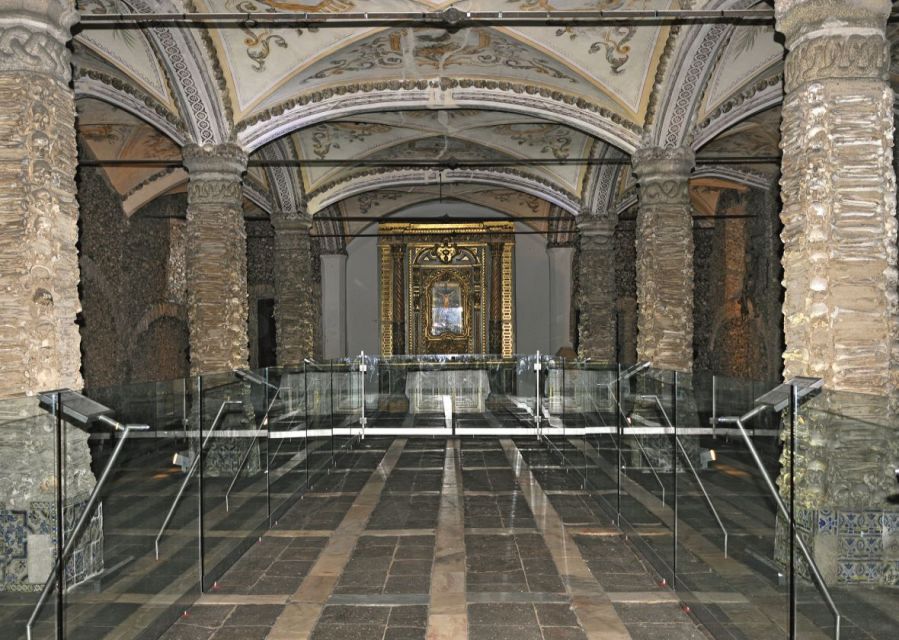
Évora’s Chapel of Bones is the unforgettable stop here. Its walls and columns are decorated with human bones, creating a quiet, unsettling place that says more about old Portuguese attitudes toward death than any museum label could. The tour also brings you to the first-century Roman Temple, Évora Cathedral, the old market, and an Alentejo wine cellar.
I like the mix of major sights and countryside. You get Roman and Gothic monuments in the morning, then olive trees, cork trees, and regional wine later in the day. I also like that cathedral and Chapel of Bones admission, as well as the tasting, are included in the $100 price.
The main drawback is the pace between stops. Free time in Évora can feel too long if you are not planning to explore on your own, while the winery visit may feel slow if wine is not a strong interest. Summer heat on the bus has also been a problem, so bring water, a hat, and patience.
Key points at a glance
- The Chapel of Bones is the emotional centerpiece: Human bones cover the interior of this unusual Saint Francis Church chapel.
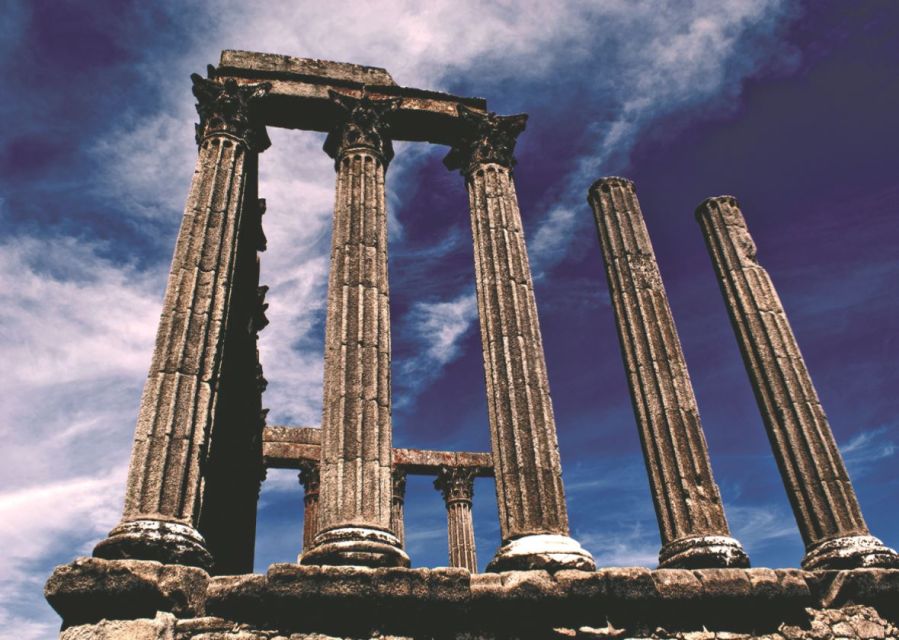
- The Roman Temple dates to the first century: Its Corinthian columns belong to the age of Emperor Augustus.
- You get a full Alentejo day for $100: Transport, guiding, monument entries, and wine tasting are included, but lunch is extra.
- The schedule leaves room to wander: You have about an hour and a half for lunch and free time, which suits independent explorers more than tightly planned sightseers.
- The wine stop adds local flavor: A guided visit to a traditional cellar follows the Évora walk.
- The day is long but simple: Meet at Cityrama Gray Line by Marquês de Pombal Square, then let the coach handle the 130 km journey south.
Why Évora makes a worthwhile day from Lisbon

Évora is a good choice when you want to see more of Portugal than Lisbon’s tiled streets and grand squares. The city sits in the Alentejo, a broad southern region known for olive trees, cork oaks, vineyards, and sturdy regional cooking.
The journey takes about an hour and a half each way. That is a serious amount of coach time, but it gives you access to a UNESCO World Heritage city without arranging trains, local transport, admissions, and a winery visit yourself.
I think the distance makes this tour best for a first visit to Évora. You get an introduction to the city’s central sights, then a taste of the area beyond the old walls. If you already know Évora well, the guided format may feel less useful, especially because the free period is not tightly structured.
The approach is part of the experience. The view changes from Lisbon’s built-up streets to open country marked by olive and cork trees. Do not expect a nonstop commentary from the bus, but the road gives you a clear sense of why wine and agriculture matter so much in Alentejo.
A few more wine days around Portugal worth comparing
- Douro Valley: Historical Sites, Wine Experience, Lunch & Cruise
★ 5.0 · 5,133 reviews - Lisbon: Daytime or Sunset Boat Cruise with History and Wine
★ 5.0 · 1,053 reviews - Taste Funchal: food, wine & cultural tour
★ 5.0 · 906 reviews
Meeting at Marquês de Pombal Square
The day begins at the Cityrama Gray Line stop at Marquês de Pombal Square, at the bottom of Park Edward VII. You should arrive ready for a full day, since the tour lasts about 10 hours and returns to the same general meeting point.
This central pickup is useful if you are staying near central Lisbon. It is less convenient if your hotel is far from the square, so allow time to reach the meeting point in the morning. The coach ride takes roughly 90 minutes, and the same journey returns you to Lisbon at the end.
The transport is practical rather than luxurious. One important warning comes from a summer departure when the bus was reported to be uncomfortably hot for much of the ride. I would bring water, a sun hat, and a light layer that you can remove. Good shoes matter more than smart clothes, since Évora’s old center is best explored on foot.
The tour is not suitable for wheelchair users. Pets are not allowed. The operator can cancel for technical problems, bad weather, maintenance, or other operating reasons, and there are no departures on December 25 or January 1.
Walking beneath the Roman Temple
The guided visit in Évora lasts about two and a half hours. That is enough time to see the central monuments without turning the morning into a race, though you will need to stay with the group and keep an eye on the guide’s meeting instructions.
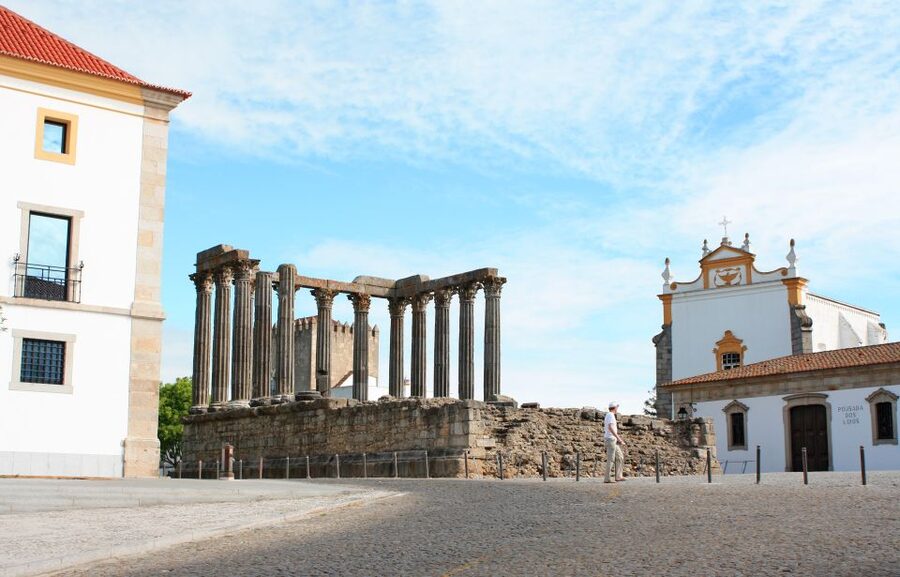
The Roman Temple is the obvious landmark. Its large Corinthian columns date from the first century, during the reign of Emperor Augustus. The surviving stonework gives the site a strong visual impact, even if you are not deeply interested in Roman architecture.
I like this stop because it connects Évora to a much wider story. The city is not simply an old Portuguese town with attractive white buildings. Its center carries visible layers from Roman times through the medieval period and into the modern city.
The temple is also a good place to understand the scale of Évora. You are not looking at a single isolated ruin outside town. The monument sits within the historic center, surrounded by the streets and buildings that make the city feel lived in rather than preserved only for display.
Your guide provides the context, and language options are English, Portuguese, and Spanish. Some departures are led by Margarida, who has been praised for being friendly, available, and clear in her explanations. Guide quality can shape a day like this, since the monuments are close together and a good explanation helps you notice details you might otherwise pass.
Évora Cathedral and its Gothic character
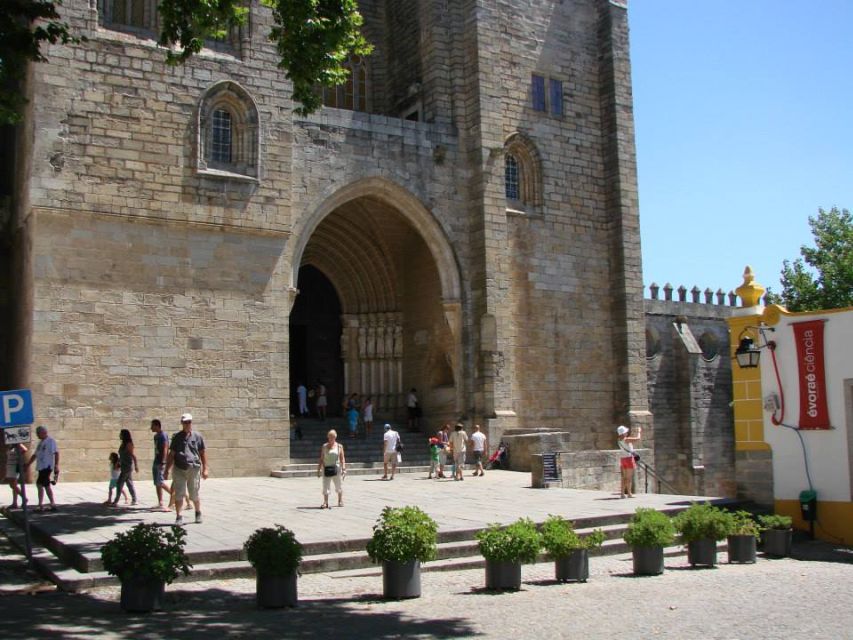
The Cathedral of Évora is another major stop, with admission included in the tour. It is one of Portugal’s important Gothic monuments, and its heavy stone construction gives it a different mood from the open Roman temple.
The cathedral helps balance the morning. The temple is associated with the ancient world, while the cathedral takes you into Portugal’s medieval religious history. You will not need to spend extra time arranging a ticket or standing in the regular line, since entry is part of the experience.
I appreciate this inclusion because entrance fees can quietly push up the cost of a guided day. Here, the $100 price covers the cathedral and Chapel of Bones, as well as the coach, guide, and wine tasting. That makes the cost easier to justify for anyone who wants a straightforward introduction rather than a do-it-yourself visit.
The amount of time inside each sight depends on the guide and the group. This is not a private tour, so you should expect a shared route and a set schedule. If you prefer to study every chapel, carving, or architectural detail at your own pace, a self-guided visit would give you more control.
Same region, a completely different afternoon:
- From Porto: Douro Valley w/ Boat Tour, Wine Tasting & Lunch
★ 4.7 · 19,061 reviews - Complete Douro Valley Wine Tour with Lunch, Wine Tastings and River Cruise
★ 5.0 · 12,920 reviews - Porto: Douro Valley with Winery Lunch, Tastings & Cruise
★ 4.7 · 7,002 reviews - Porto: Live Fado Show with Glass of Port Wine
★ 4.8 · 6,498 reviews
The Chapel of Bones at Saint Francis Church
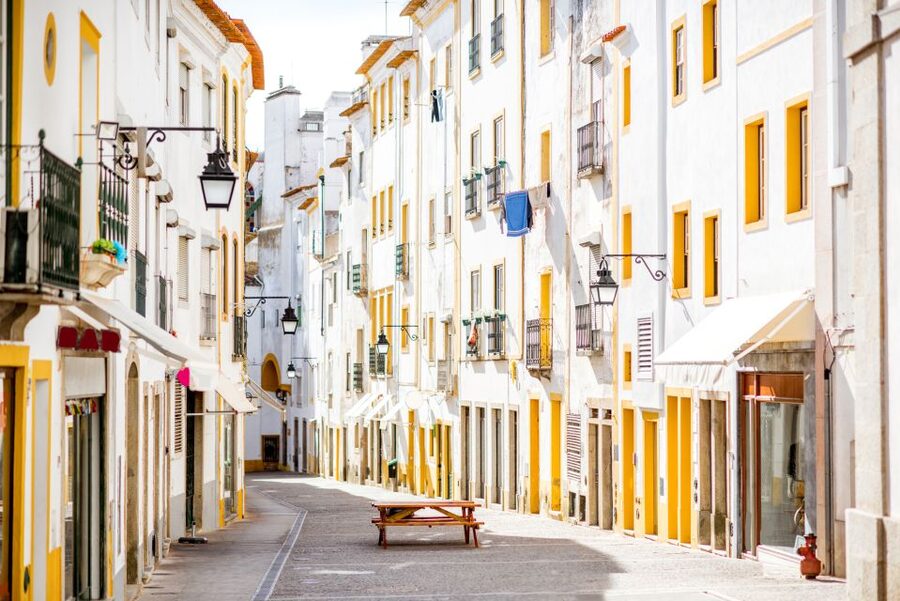
The Chapel of Bones is the stop that gives this excursion its edge. Located at Saint Francis Church, the chapel is decorated with human bones and remains. It is not a lighthearted attraction, and the atmosphere can be chilling even if you have seen similar memorials elsewhere in Europe.
The purpose of such a chapel was tied to remembrance and the limited space available for burials. The bones make mortality impossible to ignore. You may find the setting fascinating, disturbing, or both. I would not describe it as suitable for very young children or anyone who knows this subject will upset them, although the tour information does not impose a specific age restriction.
This is also where the guided explanation matters most. Without context, you see an unusual room covered in bones. With a guide, the chapel becomes part of a broader story about religion, death, burial, and the way earlier communities dealt with human remains.
Photography may be tempting, but I would keep your approach respectful. The chapel is a place for quiet attention rather than quick snapshots. You should also expect a short visit, not an extended museum session.
Market colors and an Alentejo lunch break
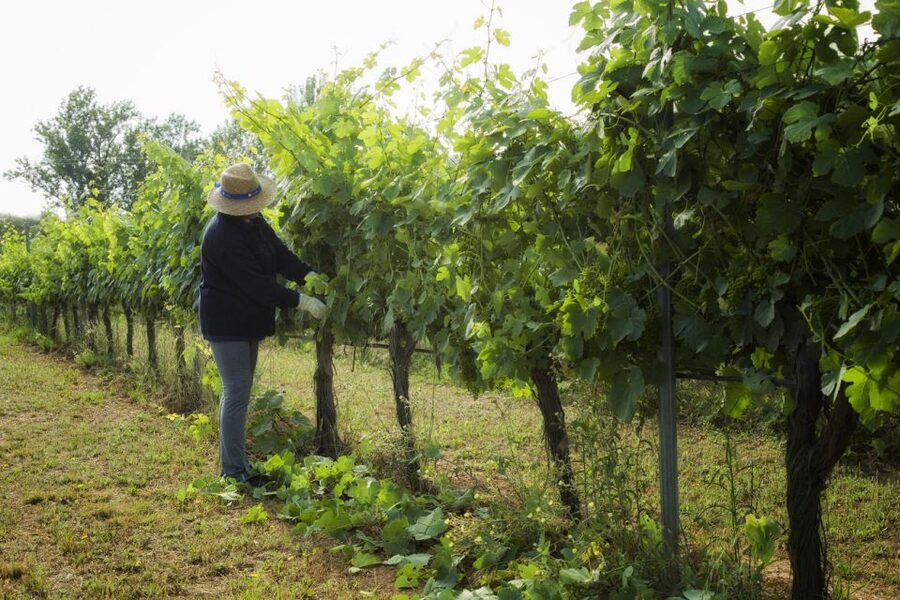
After the main sights, the schedule allows about an hour and a half for lunch and free time. The market is part of this portion of the day, giving you a chance to see the ingredients used in Portuguese cooking.
The market stop adds something that monuments cannot. You see colorful produce and local food products, and you get a small glimpse of everyday Évora rather than only its historic center. The market is especially useful if you enjoy connecting regional food with the countryside you passed on the bus.
Lunch is not included, so budget separately. The tour does not specify a restaurant or fixed menu, which gives you some freedom but also means you need to manage your time and spending. I would keep an eye on the departure time rather than settling into a long meal.
This is the part of the tour that divides opinion. If you like wandering, browsing food stalls, and finding your own lunch, 90 minutes can be welcome. If you only want the key monuments, the break may feel longer than necessary. Some departures have left people wishing for less free time and an earlier return to Lisbon.
My advice is to use the time with a plan. Walk a little beyond the main square, visit the market, eat without rushing, and leave a few minutes to return to the coach. You do not need to fill every minute, but you should avoid treating the whole period as an unstructured wait.
An Alentejo wine cellar in the afternoon
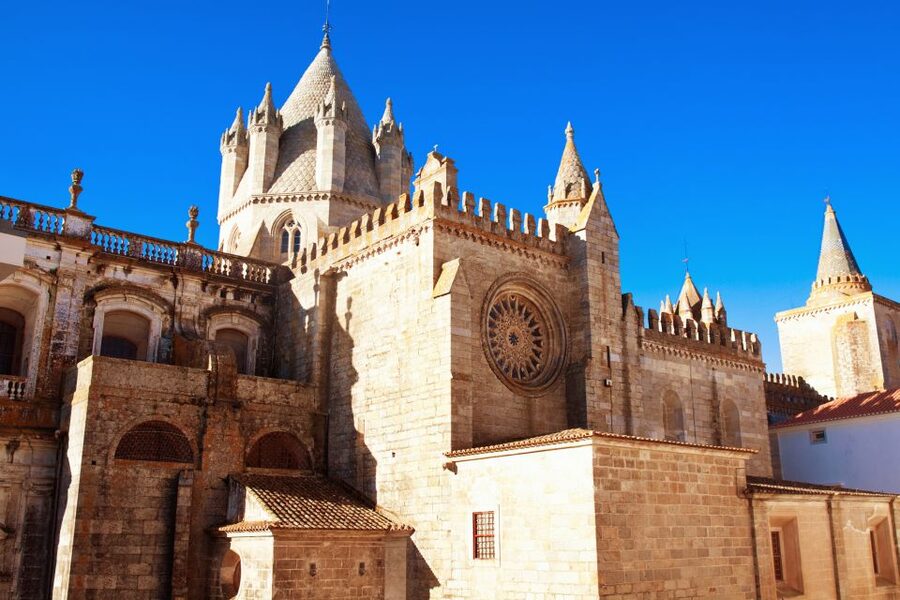
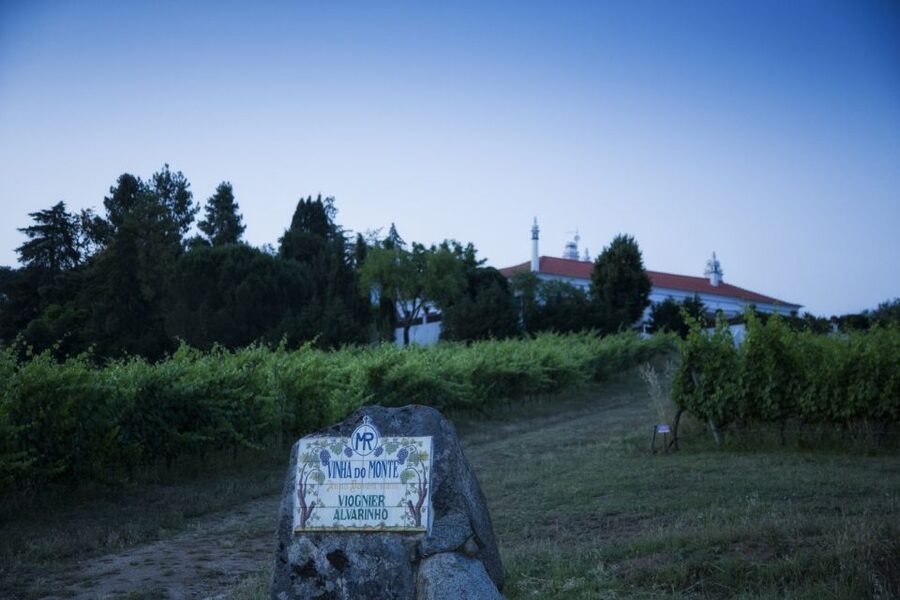
The afternoon moves from heritage to wine. You visit one of the region’s important wine cellars for a guided tour and tasting, with about an hour and a half set aside for the stop.
The wine visit gives the day a stronger sense of place. Alentejo is not just the scenery outside the coach window. The vineyards, local food, and cellar traditions are part of the region’s identity, and tasting the wine lets you experience one of its best-known products directly.
The tasting is included, so you do not face another entry charge once you arrive. I would still pace yourself carefully, especially since you have the return journey ahead. The tour is not limited to drinking. The cellar visit itself is guided, so you can expect an explanation of the winemaking setting before the tasting.
This stop will suit you if you enjoy wine or want to learn how regional products fit into Portuguese culture. It may be less appealing if you prefer a short tasting with little presentation. One person found the winery visit too long and somewhat boring, so the experience can depend on your interest and the style of the guide.
The tour’s value improves if you treat the cellar as a cultural stop rather than a quick sample. You are seeing another side of Évora District, one that does not fit neatly into the old city walls.
Is the $100 price fair?
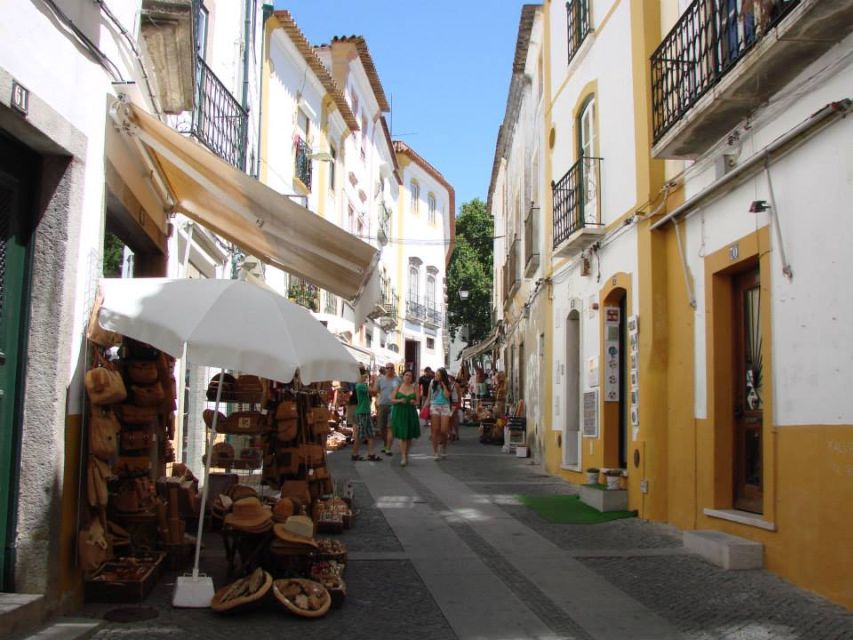
At $100 per person, I see this as a fair bundled price, not a bargain-basement outing. You are paying for a full day of transport from Lisbon, a certified guide, guided visits in three languages, entry to the cathedral and Chapel of Bones, and a wine tasting.
Lunch is the main extra cost. You may also spend more at the market or cellar, depending on what you choose to buy. Still, arranging all these pieces independently could take more time and require several separate bookings.
The value is strongest for a first-time visitor who wants convenience. You can see Évora without navigating the 130 km journey alone, and you receive historical context at the main sights. The cost is harder to defend if you only want the Roman Temple and a quick look at the old town, since the long day includes a winery visit and plenty of transport.
The overall rating of 4.1 from 93 assessments suggests a generally positive but not flawless experience. The strongest praise has focused on friendly, clear guides, well-organized departures, the wine tasting, and the amount of information packed into the day. The weaker points are consistent too: bus temperature, a detached guide on one departure, an overly long winery visit, and too much free time in Évora for some people.
Who will enjoy this full-day outing
I would recommend this tour to you if you want:
- A simple way to reach Évora from Lisbon
- A first look at Roman, medieval, and religious landmarks
- A guided explanation rather than a self-guided walk
- A wine tasting added to a cultural day
- A full schedule that still leaves some independent time
- English, Portuguese, or Spanish guiding
I would hesitate if you want a tightly packed sightseeing program. The free period is generous, and the winery visit takes about 90 minutes. You may also prefer a shorter day if you dislike long coach journeys or have limited tolerance for hot vehicles.
The tour is also a better fit for people who can walk comfortably through an old city. Wear comfortable shoes, bring a camera if you want one, and protect yourself from the sun. A hat is especially sensible in summer, when Évora can feel exposed.
Should you book the Évora wine and heritage tour?
Book it if you want an easy, well-rounded introduction to Évora and Alentejo without organizing the transport yourself. The Roman Temple and Chapel of Bones give the morning real character, while the cathedral, market, and wine cellar fill out the picture.
Skip it if you already know Évora, want more time inside each monument, or prefer to return to Lisbon earlier. You should also think twice if a long winery presentation sounds dull or if sitting on a coach for three hours total will wear you down.
For most first-time visitors, I think the combination is worthwhile. Go in expecting a long day, not a quick city visit. Plan to use the free time well, prepare for sun and possible bus heat, and you will get a useful taste of one of Portugal’s most distinctive inland cities.
FAQ
How long does the Évora wine and heritage tour last?
The tour lasts about 10 hours, including the coach journeys between Lisbon, Évora District, the winery, and Lisbon.
Where does the tour begin?
You meet at the Cityrama Gray Line stop at Marquês de Pombal Square, at the bottom of Park Edward VII, in Lisbon.
What languages are available?
Certified guides provide the tour in English, Portuguese, and Spanish.
Is lunch included?
No. Lunch is not included, and the schedule provides about an hour and a half for lunch and free time in Évora.
Are entrance fees included?
Admission to Évora Cathedral and the Chapel of Bones is included. Wine tasting is also included.
Is the tour suitable for wheelchair users?
No. The tour is not suitable for wheelchair users. Pets are not allowed.
Just added around Portugal
- Grande Prova Honrado Vineyards★ 5.0 · 46 reviews
- Wines and Moonshines of Terceira★ 5.0 · 55 reviews
- Albufeira Wine Tasting: Boutique Winery Tour & Historic Silves★ 5.0 · 380 reviews
- Albufeira Wine Tour: 2 Vineyards, 6 Tastings & Historic Silves★ 5.0 · 123 reviews
- Wine Lovers: Winery Tour w/ Tasting & Tapas (Albufeira/Vilamoura)★ 4.5 · 246 reviews
- Wine Tasting, Chicken Piri Piri & Sights (Albufeira/Vilamoura)★ 5.0 · 137 reviews
- Albufeira Food Experience: Land & Sea Tapas w/ Wines★ 4.5 · 45 reviews
- Sunset Beach Safari w/ Champagne & Chicken Piri Piri Dinner★ 5.0 · 53 reviews
Wine Tours in Portugal, compared.

Douro Valley w/ Boat Tour, Wine Tasting & Lunch
Read our review →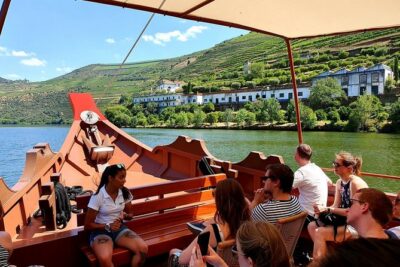
Complete Douro Valley Wine Tour with Lunch, Wine Tastings and River Cruise
Read our review →
Douro Valley with Winery Lunch, Tastings & Cruise
Read our review →
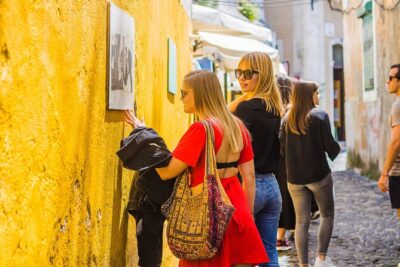
Winner 2025 Undiscovered Lisbon Food & Wine Tour by Eating Europe
Read our review →
Historical Sites, Wine Experience, Lunch & Cruise
Read our review →
Live Fado Show with Port Wine at Lisboa em Fado
Read our review →Browse the lists this tour appears in