
REVIEW · FLORENCE
From Florence: Small Group Chianti Wine Tour with Lunch
The best part of this Chianti wine tour is its variety. You visit three estates rather than one, moving from a large winery with striking modern cellars to a castle property and then a smaller boutique producer. That gives you a useful sense of how wine is made and sold in Tuscany.
I like the small group of up to eight and the sommelier-led teaching. Guides such as Carlotta, Grazia, Antonella, and Matteo have been praised for answering questions and adjusting the pace. I also like the stop in Greve, which adds a real Tuscan town to a day otherwise centered on vineyards and cellars.
The main consideration is the price, $237 per person. That is a serious outlay for half a day, though transportation, three tastings, olive oil, lunch, and a specialist guide are included. You should also expect alcohol-focused stops, so this is not the best choice if wine is only a minor interest.
Key points at a glance
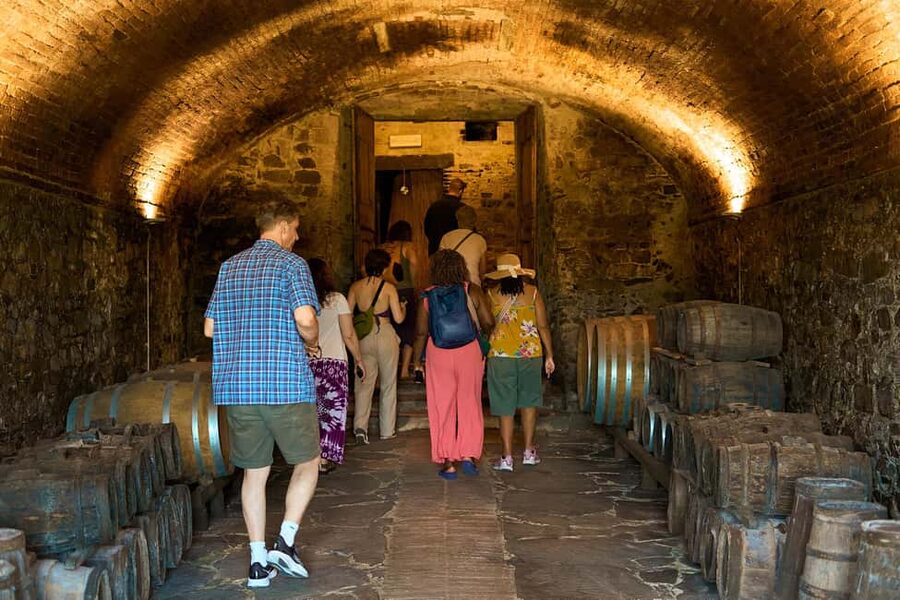
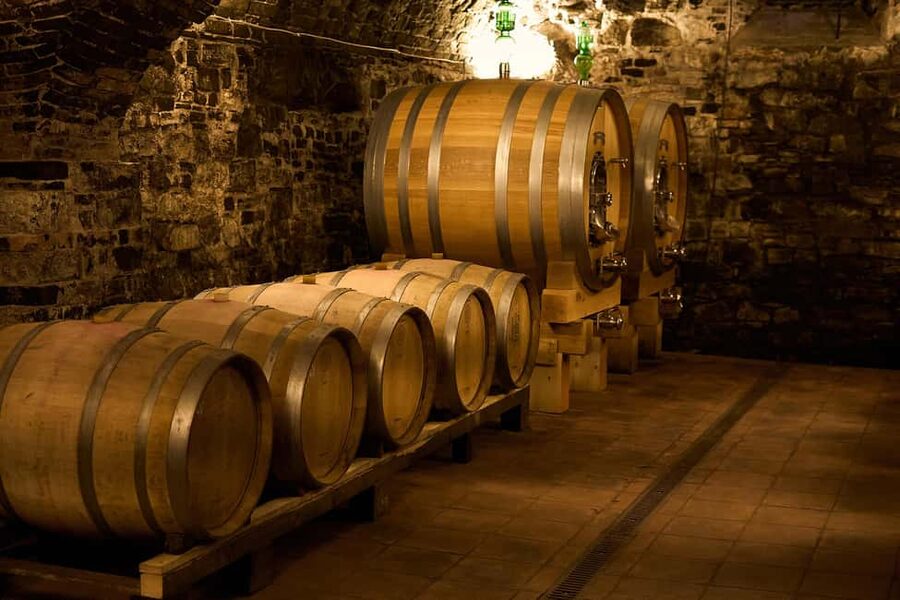
- Three very different wineries: See modern production, a historic castle setting, and a boutique estate in one day.
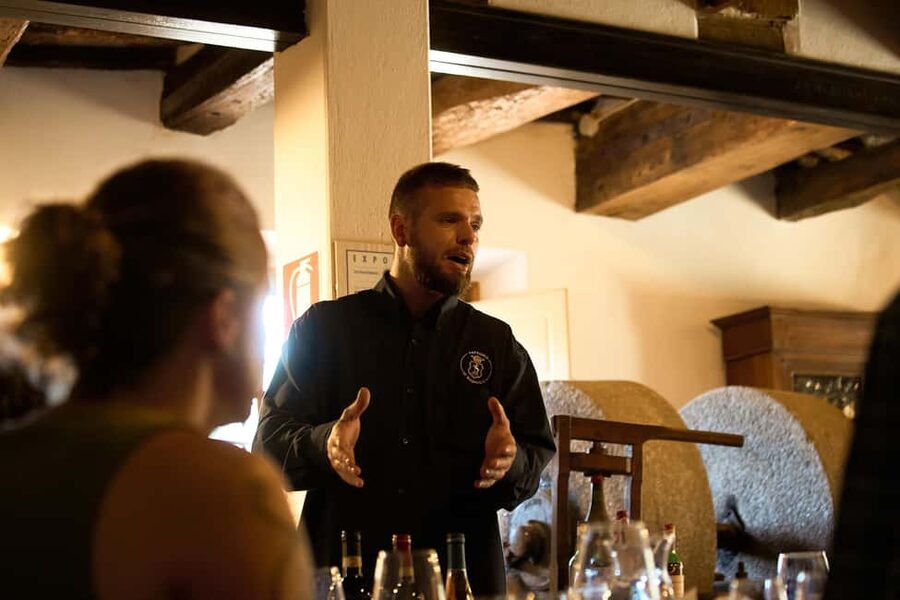
- Sommelier-led instruction: Learn to identify acidity, aromas, scents, flavors, and food pairings rather than simply sampling wine.
- A proper Tuscan food stop: The final estate serves wine with traditional local food, including olive oil and regional products.
- Greve adds a town visit: You get time for photos, a walk around the square, and a look at shops beyond the vineyards.
- Comfortable transport from Florence: A Mercedes minivan with Wi-Fi handles the winding roads and removes the need to drive after tastings.
Leaving Florence for the Chianti Hills
The tour begins at Via dei Vagellai, 22 red, beside Piazza Mentana and opposite the Arno River. You meet there rather than receiving a hotel pickup, so allow time to reach the meeting point on your own.
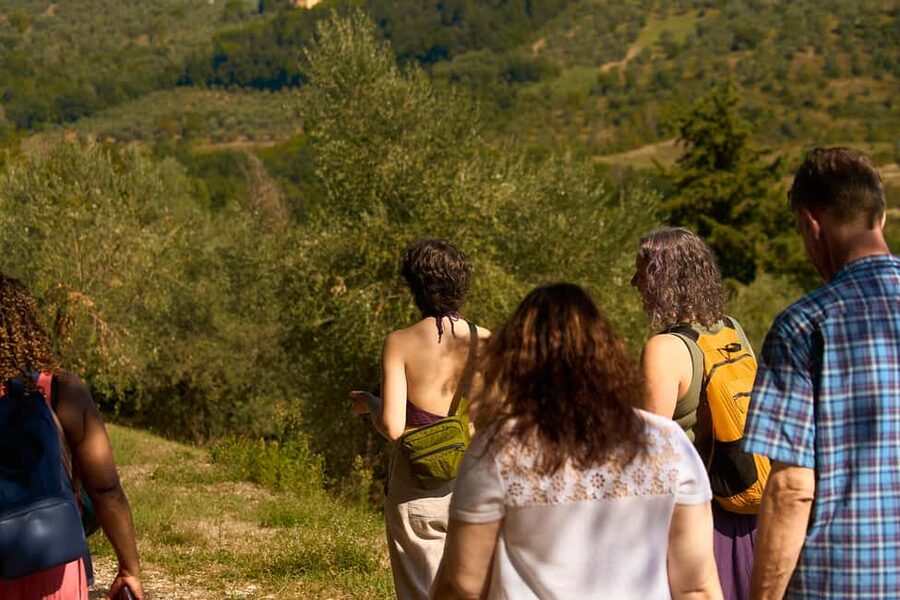
From Florence, the Mercedes minivan carries you into the Chianti hills. The drive is part of the experience. Vineyards, olive groves, and rural views replace the city, and your guide can explain how the area’s soil, climate, and grape-growing traditions shape the wines.
The small vehicle matters here. A group of eight feels more personal than a large coach, and it is easier to ask questions while driving between estates. The minivan also makes a wine day much simpler. You can taste freely without worrying about navigation or a designated driver.
The tour lasts about 6.5 hours. That is long enough for three winery visits and lunch, but short enough to fit comfortably into a Florence stay. You should still keep the rest of the day fairly open. Tastings, cellar tours, meals, and travel on rural roads can make the schedule feel full.
More Wine Tours in Florence
- Tuscany Day Trip from Florence: Siena, San Gimignano, Pisa and Lunch at a Winery
★ 5.0 · 21,634 reviews - Florence: Pasta Cooking Class with Unlimited Wine
★ 4.9 · 10,285 reviews - Florence: Chianti Wineries Tour with Wine Tasting
★ 4.5 · 10,071 reviews
First winery: modern design and serious production
The first stop is a major Italian wine producer with contemporary cellars built in harmony with the surrounding countryside. The vineyard covers much of the building, creating an unusual meeting point between architecture and agriculture.
This opening visit gives you useful context before the later tastings. You learn about production methods, the work of the vineyard, and the producer’s plans for the future. The guide explains why the local soil and growing conditions matter, then helps you connect those ideas with what is in your glass.
Expect several types of wine, not just one red. Past groups have tasted white, rosé, and multiple reds, along with olive oil. The range helps you compare styles and notice how grape variety and production choices affect the result.
This is a good first stop because it offers a broad introduction. The possible trade-off is that a larger producer may feel less intimate than the family-run or boutique estate later in the day. That contrast is useful, though. You see that Chianti is not one single style of winery.
Chianti and Chianti Classico explained
One of the most useful lessons is the difference between Chianti and Chianti Classico. They are related names, but they do not refer to exactly the same wine zone or set of production rules.
Your sommelier guide explains the origin of Chianti Classico and the methods used in its production. You also learn how to pay attention to acidity, aroma, scent, and flavor. This is practical teaching, not just background information. By the third tasting, you should have a better idea of what you personally like.
The experience may include Super Tuscans, which are important to the modern Tuscan wine story. These wines do not always follow the traditional blend or labeling rules associated with classic regional wines, yet they can be among the area’s most respected bottles.
You do not need prior wine knowledge. The guide’s job is to provide a vocabulary you can use without making the tasting feel like an exam. Ask which wines pair with your favorite foods. That is one of the most useful ways to turn the information into something you can apply at home.
Greve in Chianti: a welcome change of pace
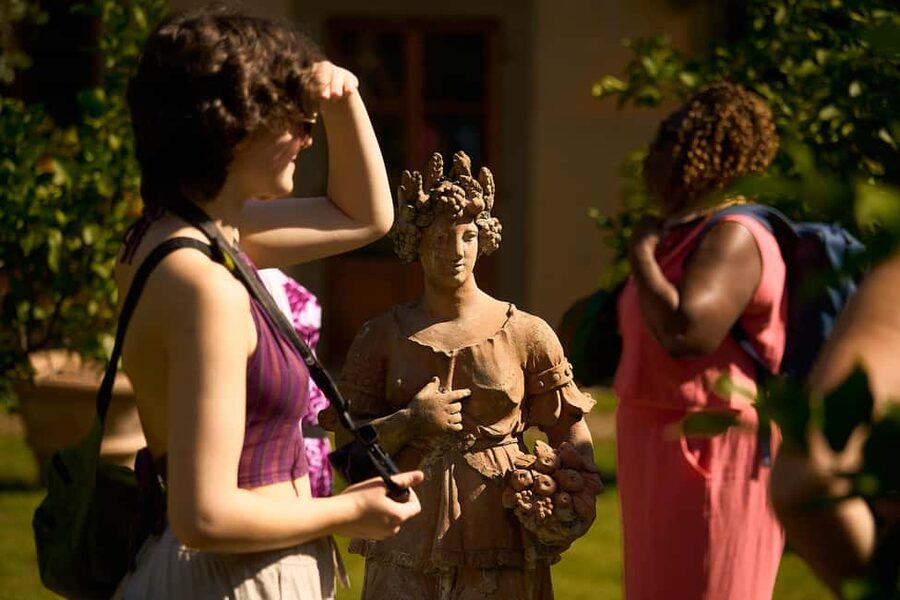
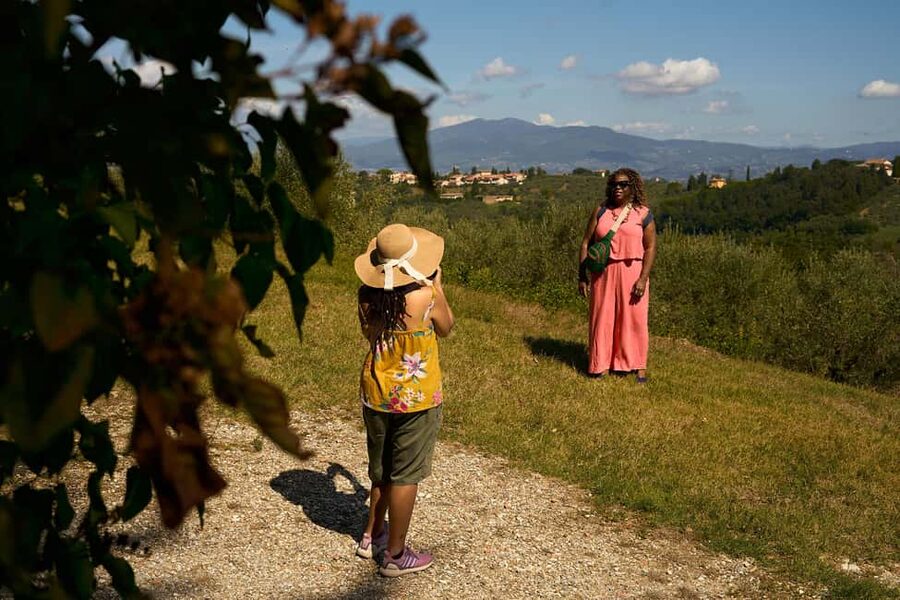
Between winery visits, the route includes a stop in Greve in Chianti. You have time for photos, a walk around the square, and a look at the town’s shops.
This stop breaks up the tasting schedule. Three wineries in a row could become repetitive, especially for anyone who is interested in Tuscany but not deeply focused on wine. Greve gives you a short taste of village life and a chance to stretch your legs.
Do not expect a long town tour. The stop is a compact visit rather than a full historical walk. That makes it easy to fit into a six-and-a-half-hour outing, but anyone hoping for extended shopping or detailed sightseeing may find the time limited.
I see Greve as an important part of the balance. You get the vineyards and cellars the tour promises, but also one recognizable Tuscan town with a square and local shops.
More Chianti days out of Florence:
- San Gimignano, Siena, Monteriggioni, Chianti Day Trip with Lunch & Wine Tasting
★ 4.5 · 4,432 reviews - Florence: Pisa, Siena, S. Gimignano, Chianti Wine & Lunch
★ 4.6 · 4,354 reviews - Chianti Wine Tour from Florence
★ 4.5 · 3,979 reviews - Florence: S. Gimignano, Siena, Chianti Wine Tasting & Lunch
★ 4.6 · 3,102 reviews
Second winery: castle towers and cellar history
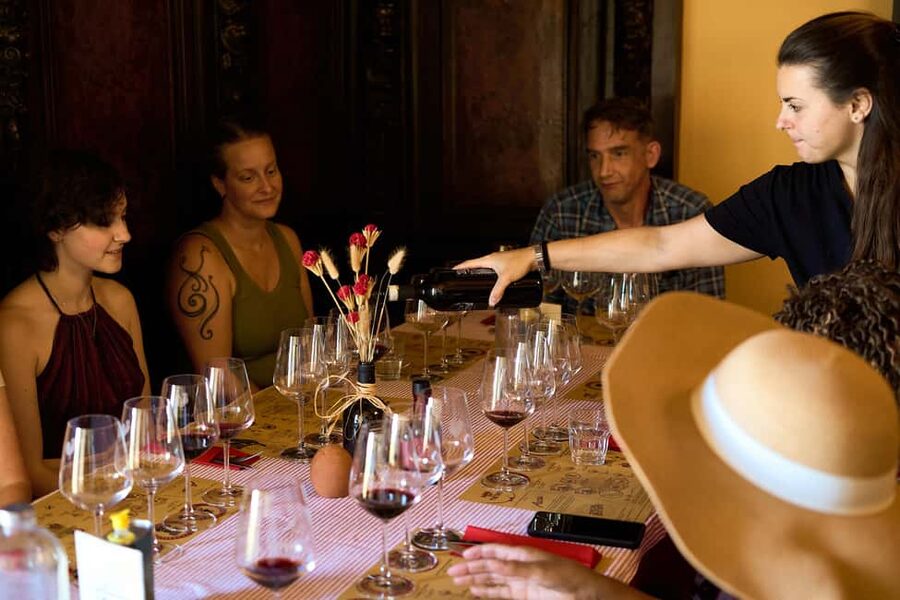
The second estate provides a dramatic change in setting. Massive towers from a 13th-century castle rise above olive groves and vineyards, giving the tasting a strong sense of place.
Here, you tour the cellars before tasting the wines. That order helps you understand how the estate uses its buildings and facilities, rather than treating the wine as an isolated product. The castle setting also gives the visit a different feel from the modern first winery.
The mix of estates is one of the tour’s best features. One stop focuses on contemporary architecture and large-scale production. This one connects wine with a much older Tuscan property. The final winery then shifts to a smaller, more personal operation.
Your guide remains important here. Gabriele, for example, has guided visitors through the workings of wineries and explained the area during the drives. Other named guides, including Antonella, Christina, and Lapo, have been praised for giving clear explanations and making time for questions.
Lunch at the boutique estate
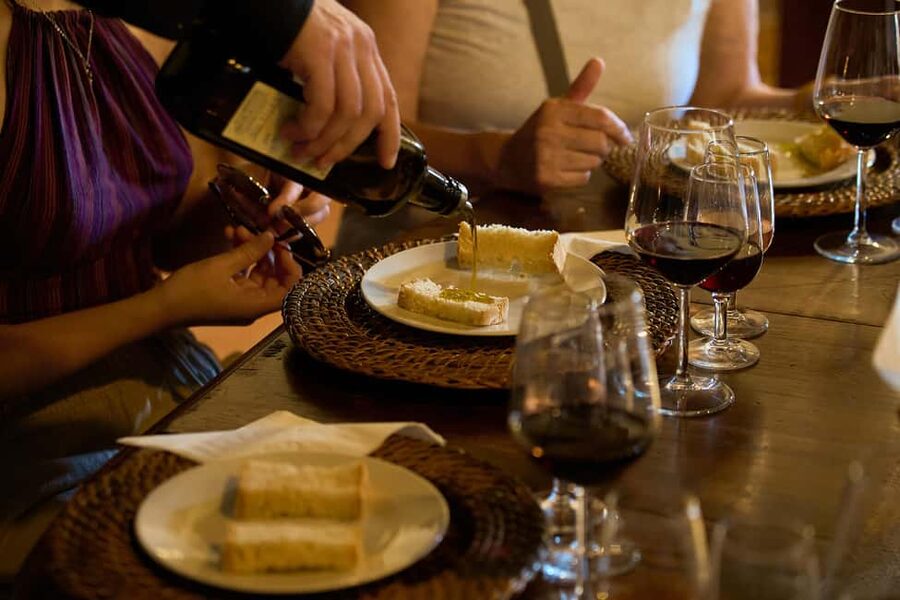
The third winery is a boutique producer, and this is where the food becomes a major part of the afternoon. Wine is served with a gourmet spread of traditional Tuscan products, along with olive oil and other regional items.
A typical meal can include cured meats and cheeses, bread with local olive oil, pasta, and dessert. One past menu included a white wine with the opening course, a red wine with pasta, and lemon sorbet to finish. Menus can change, so treat those items as examples rather than a promise of every dish.
This is not a rushed sandwich stop. Lunch gives you time to sit, compare the wines, and ask how each bottle works with food. For many people, this will be the most satisfying part of the day because it connects the tasting to the way wine is enjoyed in Tuscany.
If you have dietary needs, tell the supplier in advance. A gluten-free meal has been provided in the past, including gluten-free bread and pasta, but you should not wait until the day of the tour to ask.
The boutique setting may appeal most if you prefer smaller producers and a less commercial feel. On the other hand, the amount of food and wine can add up quickly. Eat a little beforehand, pace yourself, and remember that tasting does not require finishing every glass.
What the wine lessons are really worth
Wine tours can become a string of pours with little useful explanation. This one puts more weight on learning. You are shown how acidity affects a wine, how aromas differ, and how scents and flavors develop across the glass.
That matters because the three estates are not identical. You can compare wines made under different conditions and served in different settings. The guide also explains the benefits of the local soil and other conditions that help define the Chianti area.
The strongest guide experiences have included Carlotta, who adjusted explanations to match the group’s interests, and Grazia, who was described as both pleasant and helpful. Matteo has also led the tour as a sommelier, with a focus on viticulture and regional wines. Guide assignments can change, so you cannot assume a particular person will lead your date.
The English-language format works best if you want direct explanations and plenty of questions. Since the group is small, you are less likely to lose the guide’s attention in a crowd.
Is $237 a fair price?
At $237 per person, this is not a budget excursion. The value comes from how much is packed into the price: round-trip transport from Florence, a luxury minivan with Wi-Fi, three winery and cellar visits, three tasting sessions, olive oil and local products, lunch, the Greve stop, and a sommelier guide.
Buying those elements separately would require planning transport through the countryside and arranging several appointments. The included driver also removes a major problem: someone in your party cannot taste freely if that person must drive back to Florence.
The price makes the most sense for you if you want a full wine day without organizing the details. It is less convincing if you plan to buy only one or two bottles, dislike structured tours, or want a cheaper countryside outing with more time for independent wandering.
The 6.5-hour length helps the value. This is not a brief tasting squeezed into a morning. You get three different producers, food, a village, and instruction. Still, the value depends on your interest. For a serious wine fan, the range of estates is useful. For a casual drinker, two wineries might have been enough.
Who should book this experience?
I would choose this tour for a first visit to Tuscany from Florence, especially if you want to see the countryside without renting a car. It also suits couples, families with adult children, and small groups who like learning as they go.
It is a good match for people who want a clear introduction to Chianti Classico rather than a purely scenic drive. You will come away with more than photographs because the guide explains the production methods and helps you compare the wines.
You should think twice if you want a slow, private winery visit. The schedule includes three estates in one day, so each stop has a planned rhythm. The group can be as large as eight, even though some departures have been much smaller.
Children under 18 can join, but Italian law prevents them from receiving alcohol. They are served non-alcoholic drinks instead. The supplier should also know about impaired mobility or other special requirements in advance so arrangements can be considered.
Cancellation is flexible up to 24 hours before departure for a full refund, and you can reserve now and pay later. Those policies help if your Florence plans are still shifting, but the practical details still matter: you must get yourself to Via dei Vagellai, and transfers to or from your accommodation are not included.
Should you book the Chianti wine tour?
Book it if you want three contrasting wineries, a traditional lunch, and a specialist guide in one well-organized half-day. The modern cellar, castle estate, boutique producer, and Greve stop give the day more range than a single-estate tasting.
I would especially recommend it if you do not want to drive in Tuscany or arrange rural transport yourself. The small group and guides such as Carlotta, Antonella, Grazia, and Matteo add the personal touch that makes a scheduled tour feel less mechanical.
Skip it if $237 feels too high, if you prefer to explore at your own pace, or if wine is not central to your plans. For everyone else, this is a strong use of one Florence day, with enough food, scenery, history, and instruction to make the price easier to justify.
FAQ
Where does the Chianti wine tour meet in Florence?
The meeting point is Via dei Vagellai, 22 red, at the corner with Piazza Mentana, opposite the Arno River. Hotel pickup and transfers to the meeting point are not included.
How long does the experience last?
The tour lasts approximately 6.5 hours. You visit three wineries, stop in Greve in Chianti, and return to Via dei Vagellai in Florence.
How many people are in the group?
The group is limited to eight participants. Some departures may be smaller, depending on bookings.
What is included in the price?
The price includes round-trip transportation in a luxury Mercedes minivan with Wi-Fi, guided visits to three wineries and their cellars and vineyards, three wine tastings, olive oil and typical Tuscan products, a guided visit to Greve, and a typical Tuscan lunch.
Can children under 18 join the tour?
Yes, but Italian law prohibits serving alcohol to anyone under 18. Children receive non-alcoholic beverages instead.
Is the tour available in English?
Yes. The live tour guide and the tour information are provided in English.
More Wine Days with Lunch in Florence
- Pisa, Siena and San Gimignano Day Trip with Lunch & Wine Pairing
★ 4.5 · 6,006 reviews - From Florence: Siena, San Gimignano, Pisa & Lunch at Winery
★ 4.8 · 4,538 reviews - Chianti Wineries Tour with Tuscan Lunch and San Gimignano
★ 5.0 · 793 reviews - Tuscany Vespa Tour: Lunch & Wine Tasting, Countryside Roads
★ 5.0 · 614 reviews
Just added around Florence
- Wine Tasting Experience with Three Types of Tuscan Wine★ 4.9 · 47 reviews
- Florence: Art of Pasta Cooking Workshop with Food and Wine★ 5.0 · 69 reviews
- SMALL GROUP Tuscany Wine Tasting Safaris with Lunch / Dinner★ 4.9 · 321 reviews
- Wine Tasting Experience with Seven Types of Tuscan Wine★ 4.9 · 30 reviews
- Florence/Badesse: Tuscany Group Vespa Tour with Wine Tasting★ 4.4 · 56 reviews
- Florence: San Gimignano & Volterra Day Trip with Food & Wine★ 4.7 · 57 reviews
- Private Flavors of Florence Walking Tour(Food&Wine Included)★ 4.8 · 46 reviews
- From Florence: Ultimate Tuscany Day Trip with Wine & Lunch★ 4.8 · 221 reviews
Wine Tours in Florence, compared.
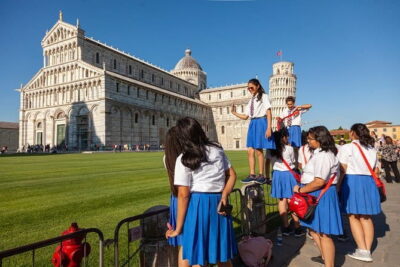
Tuscany Day Trip from Florence: Siena, San Gimignano, Pisa and Lunch at a Winery
Read our review →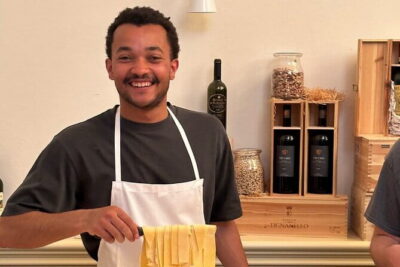
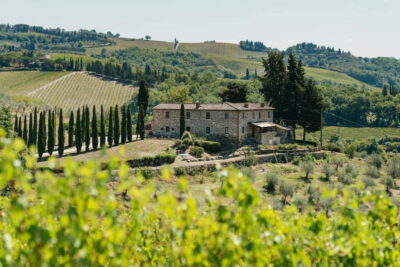
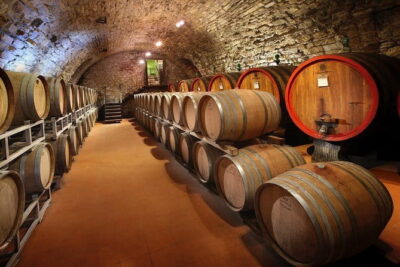
Small-Group Wine Tasting Experience in the Tuscan Countryside
Read our review →
Pasta & Tiramisu Cooking Class with Unlimited Wine
Read our review →
Pisa, Siena and San Gimignano Day Trip with Lunch & Wine Pairing
Read our review →
SMALL-GROUP Wine Safaris: Tuscan Wine Tasting Tours from Florence
Read our review →Browse the lists this tour appears in