
REVIEW · CRETE
From Chania: Wine and Olive Oil Tasting Tour with Snacks
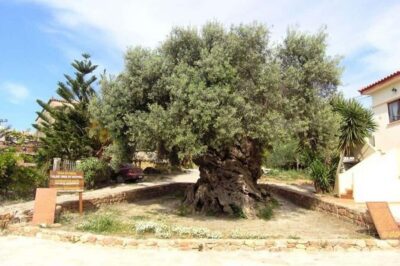
The most memorable stop here may be a tree rather than a tasting room: a 3,000-year-old olive tree in a traditional village, still rooted in the Cretan countryside. Around it, you get a useful look at how wine and olive oil shaped everyday life on the island.
I like the mix of family-run wineries and a working olive oil factory, plus the chance to try about ten wines instead of just one or two. I also like that guides such as Andreas, Alex, Nikos, and Kostas add local stories while driving through the hills. The main drawback is the price, $141 per person, which may feel high if you are mainly seeking a short tasting rather than a full half-day outing.
Key points at a glance
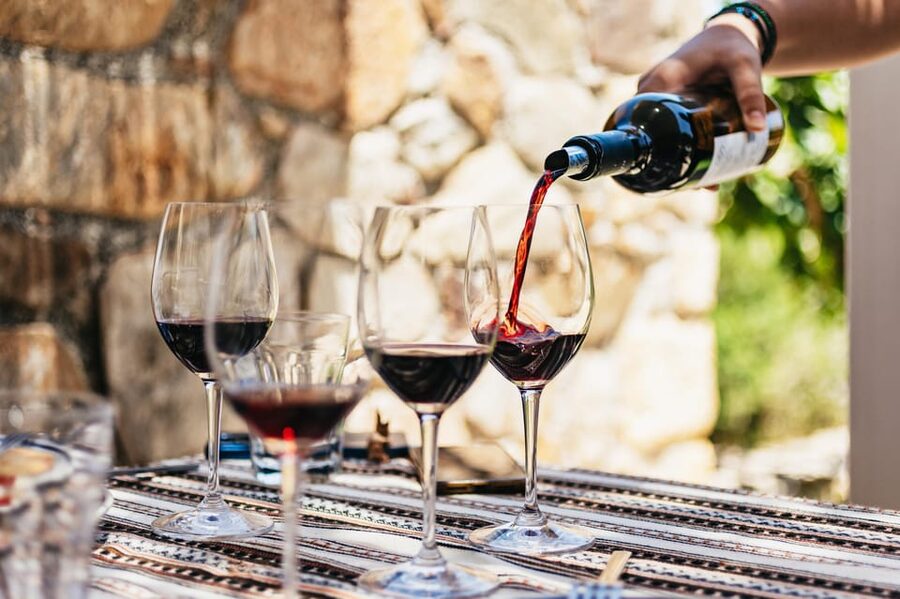
- About ten wines to taste: Try Cretan grapes such as Vidiano, Muscat of Spina, Vilana, and Assyrtiko, along with international varieties.
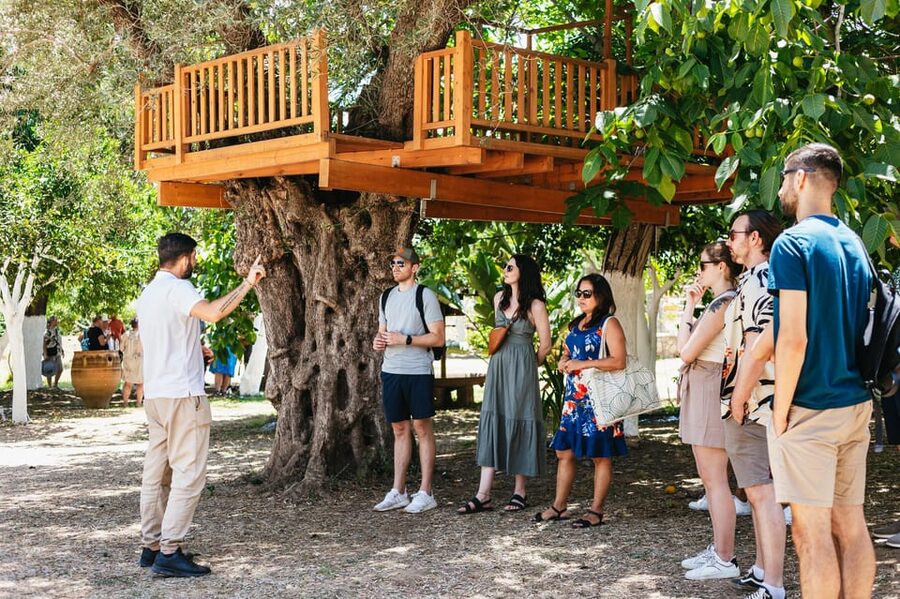
- The ancient olive tree stop: See an olive tree estimated to be 3,000 years old and learn about older Cretan oil-making methods.
- Two winery visits: Meet producers at family-owned wineries and taste wines shaped by the local soil and climate.
- Olive oil production included: Visit a factory, learn how extra virgin olive oil is made, and sample several oils with local foods.
- Comfortable transport from Chania: Air-conditioned transportation, a driver-guide, entrance fees, tastings, and snacks are included.
- A social, food-focused day: This suits couples, solo visitors, and small groups who want countryside scenery and conversation as much as wine.
Why this Chania wine tour feels different
Many wine excursions boil down to a cellar, three tasting glasses, and a gift shop. This one gives you a broader picture of Cretan food production. You move from vineyards to olive groves, from modern production methods to an ancient tree, and from wine tasting to the local custom of ending a gathering with tsikoudia.
That wider focus matters in Crete. Olive oil is not just another product to sample here, and wine is not simply something poured beside lunch. Both are tied to farming, family work, village life, and the island’s long agricultural tradition.
You spend six hours away from Chania, including pickup and return transportation. That makes this more than a tasting appointment. It is a countryside outing with several stops, so you should book it when you want a substantial part of your day devoted to food, drink, and local culture.
The tour is conducted in English. Guides have included Andreas, Alex, Kostas, Nikos, Thanassi, Maria, and others, with several guides also praised for their skill behind the wheel. The exact guide is not guaranteed, but the repeated pattern is clear: the guide is an important part of the experience, explaining Cretan life during the drives as well as at the stops.
More Wine Tours in Crete
- From Chania: Olive Oil, Wine, Cheese & Honey Tasting Tour
★ 4.6 · 490 reviews - Crete: Full-Day Cretan Wines, Olive Oil, Raki and Food Tour
★ 5.0 · 264 reviews - Cretan Wines & Olive oil tour – The treasures of Crete
★ 5.0 · 147 reviews
Leaving Chania for the Kissamos hills
Pickup locations are in the Chania region, and collection can begin 30 to 60 minutes before the stated departure time. That wider pickup window is useful, but you should not plan a tight morning appointment immediately afterward. Confirm your pickup point carefully, since one booking initially assigned an inconvenient location that was changed after a message to the operator.
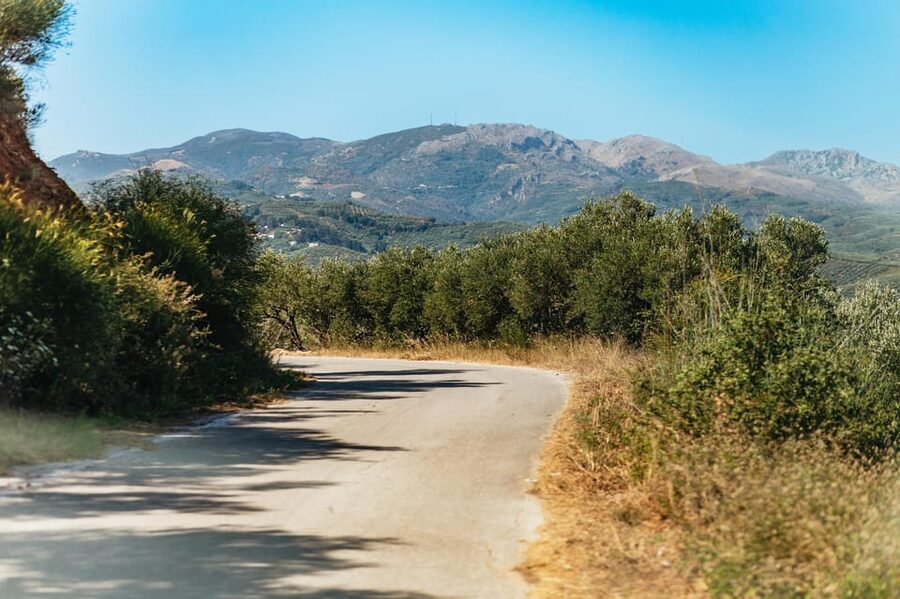
The ride takes you through the hills toward Kissamos in an air-conditioned bus or van. Past departures have included comfortable Mercedes transport and small groups, although the exact vehicle and group size can vary. The road scenery is part of the day: olive groves, slopes, vineyards, and quiet villages replace the streets of Chania.
I like this opening drive because it gives context to the tastings. You see that the wine and oil do not come from an abstract brand. They come from working farms spread across a dry, hilly part of Crete.
A good guide can make this stretch especially useful. Andreas and Alex were singled out for explaining local history and culture, while Kostas was praised for his friendly, relaxed manner. Do not expect a formal lecture throughout the ride. The tone is more conversational, with stories and practical explanations along the way.
The first winery and Cretan grape varieties
The first winery is a family business founded in 1993. Here, you learn about the varieties being grown and the producers’ approach to modern farming and wine production. The setting is intended to show the people behind the bottles, not only the finished wine.
The tasting commonly includes five wines. Cretan varieties may include Vidiano and Muscat of Spina, both important local grapes, alongside international wines made with Grenache rouge, Syrah, and Mourvèdre. A local growing area can give familiar grapes a different character, so this part is useful even if you already know European wine.
Vidiano is especially worth paying attention to. It is one of Crete’s best-known white varieties, and trying it beside international grapes helps you notice the difference between local and imported traditions. Muscat of Spina brings another local angle, while red varieties such as Syrah and Mourvèdre broaden the tasting beyond crisp whites.
The pour sizes have been described as generous. That is good value for anyone who wants to compare wines seriously, but it also means you should pace yourself. With another winery ahead, this is not the place to rush through every glass.
The winery visits are not described as large commercial productions. Instead, you meet people involved in making the wine and hear how farming choices affect the result. That personal contact is one of the strongest reasons to choose this tour over a simple tasting in town.
The 3,000-year-old olive tree in the village

After the first tasting, the route reaches a traditional village with an ancient olive tree. It is estimated to be 3,000 years old and is presented as the oldest olive tree in the world. The claim is part of the attraction, but the more important point is what the tree represents: olives have been part of Cretan life for an astonishing length of time.
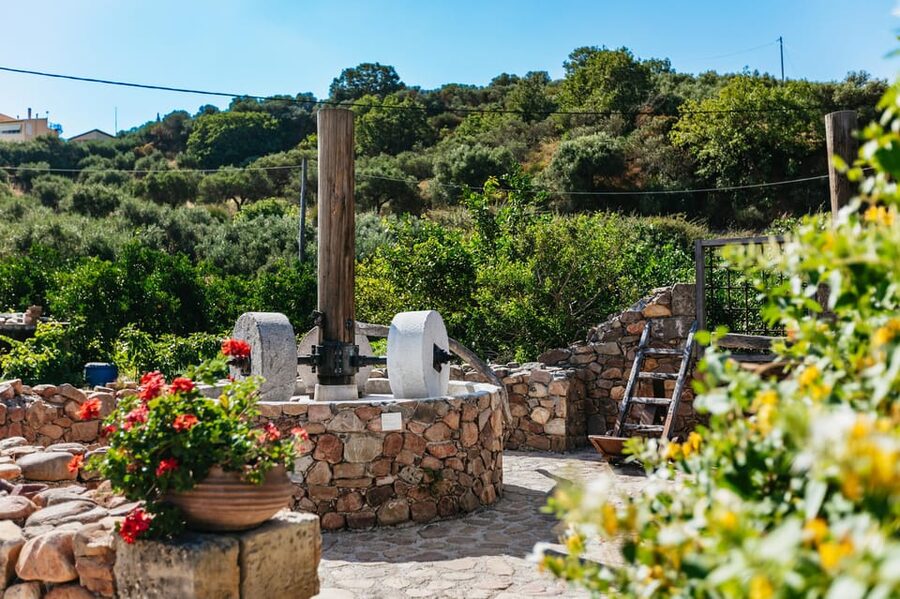
This is a short sightseeing stop, not a major archaeological visit. You should expect to stand near the tree, hear the guide explain its age and older oil-making practices, and take in the quiet village setting. It gives the day a welcome pause between tastings.
I like this stop because it prevents the tour from becoming a sequence of indoor samples. The tree connects the modern bottles and oils to older agricultural customs. It also offers a chance to walk around and reset before the next round of food and drink.
If you are mainly interested in wine, this may feel like a detour. If you want to understand why olive oil matters so much in Crete, it is one of the most meaningful stops.
More wine and olive oil tastings in Greece:
- Chania: Milia Mountain Tour w/Lunch Olive Oil/Wine Tastings
★ 4.9 · 97 reviews - Rethymno: Private Winery & Olive Oil Tasting Tour with Lunch
★ 5.0 · 56 reviews - Crete: Knossos Palace, Winery & Olive Oil Tour with Lunch
★ 4.9 · 49 reviews - Sorrento Farm and Food Experience including Olive Oil, Limoncello, Wine tasting
★ 5.0 · 2,524 reviews
A working olive oil factory, not just a tasting counter
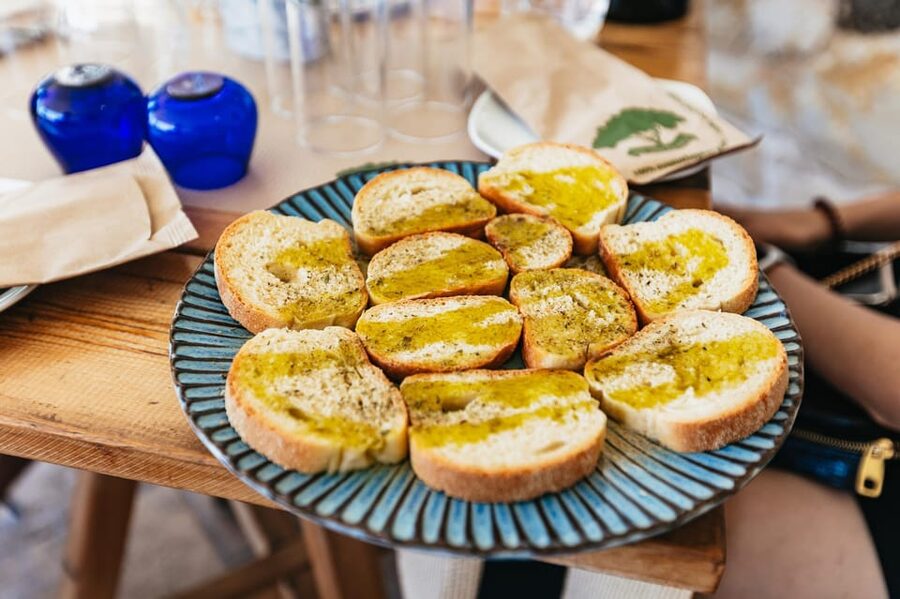
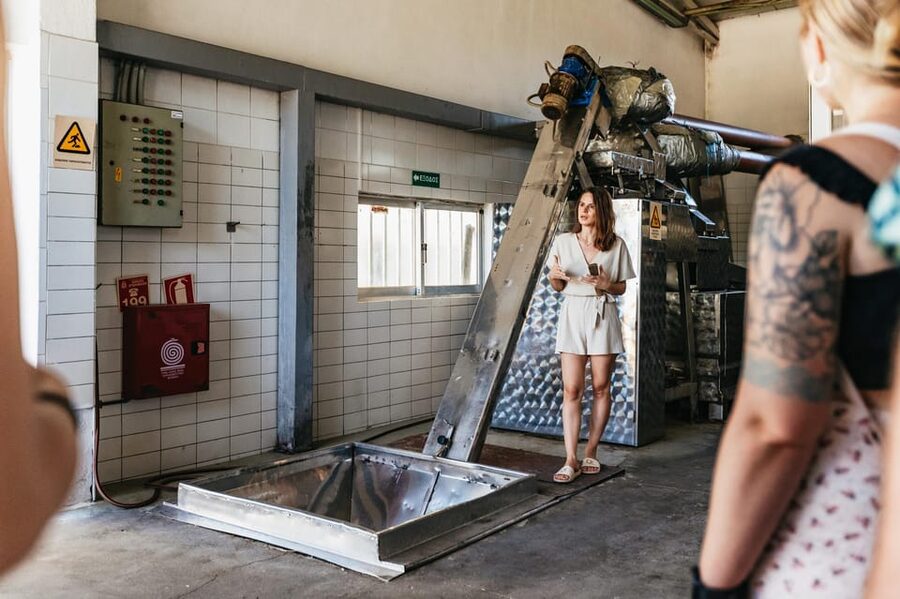
The olive oil visit shows how extra virgin olive oil is produced. You learn about the process, see the setting where the oil is made, and taste several local products. Depending on the day’s order, this stop may take place before the second winery, but the combination remains the same.
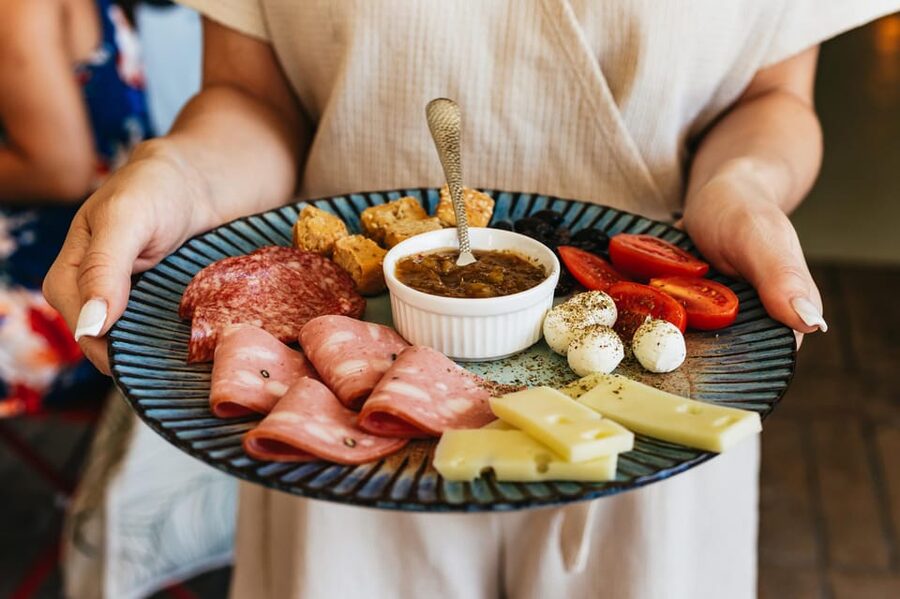
The tasting is more instructive than simply dipping bread into oil. You may compare different oils and learn what producers look for in quality and flavor. Local foods and snacks help put the oil into its natural setting, since Cretan oil is meant to be used with bread, cheese, and other simple foods.
This is also where you can buy bottles to take home. Several people ended up purchasing oil despite limited luggage space, which tells you the tasting is convincing. Still, buying is optional, and the atmosphere has been described as friendly rather than pushy.
The food matters here. The included snacks have included local cheeses and other regional products, and vegetarian or vegan food can be accommodated if you tell the operator in advance. One useful caution: the meal is light rather than a large restaurant lunch. If you need a substantial meal in the middle of the day, have breakfast first.
The second winery and the final tasting
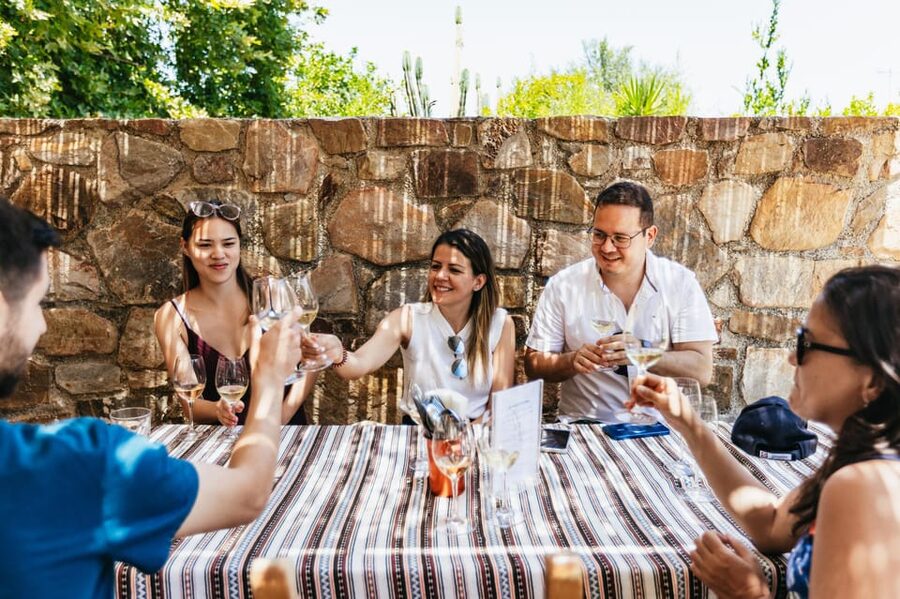
The second winery, also in the Kissamos area, focuses on a special white blend that can include Vilana, Vidiano, and Assyrtiko. You get another five wines, bringing the day to roughly ten samples in total, though the exact selection can change.
The order of the stops has been praised for good reason. You start with wine, shift to the olive tree and oil production, then return to wine with food. That rhythm keeps the day from feeling like one long seated tasting.
The second setting is often described as especially atmospheric, with vineyards and a pleasant outdoor feel. You can expect time to stroll among the vines rather than sit indoors for every explanation. The hosts at the wineries are involved in presenting their own work, which gives the tastings a more personal feel.
The snacks help here, but do not mistake them for a full feast. The focus remains on wine. If you are new to wine tasting, this is a good format because you can ask questions, compare white and red varieties, and learn at a relaxed pace. If you already attend tastings regularly, the attraction is the Cretan selection and the chance to see the production areas.
The day usually ends with tsikoudia, a local spirit used as a traditional Cretan goodbye. It is stronger than the wine, so treat the final toast as a small taste rather than an invitation to empty a glass quickly.
Is $141 a fair price?
At $141 per person, this is not a budget excursion. The value depends on how you count the day.
The price includes pickup and drop-off from specified Chania locations, air-conditioned transportation, a driver-guide, entrance fees, wine tastings, olive oil tasting, and light food. You also get two winery visits, the olive oil factory, and the ancient tree stop. If you arranged separate transport to the countryside and paid for multiple tastings yourself, the total could climb quickly.
I would call it fair value for someone who wants a guided day outside Chania and plans to taste seriously. The transport is particularly useful because you are sampling wine and do not need to drive on narrow rural roads afterward. It also removes the hassle of finding several producers and coordinating visits.
The price is harder to justify if you want only a quick introduction to Cretan wine. You may feel that the day includes more driving and food stops than you need. One past experience found the outing a little expensive for the amount received, even while appreciating the included transport.
The strongest value comes from the combination: transport plus ten wines plus olive oil production plus local food. Remove two or three of those elements and the cost would look less attractive.
Who should book this experience?
I would recommend it to couples, solo visitors, and small groups who want an easy way to reach the countryside from Chania. It works especially well if you have already seen the old town and beaches and want a day centered on local products.
It is also a good choice for first-time wine tasters. The guides and winery hosts explain the basics without requiring specialist knowledge, and the relaxed group setting makes it easy to ask questions. Solo visitors can fit in well because the day naturally creates conversation around the tastings.
Food lovers will appreciate the olive oil factory and local snacks as much as the wine. If you are vegan or vegetarian, tell the operator in advance so the food can be adjusted.
I would think twice if you dislike alcohol, dislike organized day trips, or want a full lunch rather than light food. Children can come if accompanied by an adult, but anyone under 18 receives water or fresh orange juice instead of wine. Unaccompanied minors are not allowed.
Bring a passport or ID card. The provider may make small changes if weather affects the program, and the countryside stops are best approached with a flexible attitude.
Booking advice and final verdict
This is one of the better ways to connect Chania with the farming traditions beyond the city. The ancient olive tree gives the outing a memorable center, while the two wineries provide enough tasting time to make the $141 price easier to understand.
I especially like the balance between learning and eating. You are not rushed through a single commercial cellar, and you are not left to figure out the region’s wines on your own. Guides such as Andreas, Alex, and Kostas have helped make the driving time useful, and the small-group feel can make the day more personal.
Book it if you want a full six-hour countryside experience, enjoy trying several wines, and value door-to-door transport. Skip it if you want a cheap tasting close to town or a large, formal meal. For most visitors with an interest in Cretan food and drink, this is a well-rounded day and a practical introduction to the island’s wine and olive oil culture.
FAQ
How long does the Chania wine and olive oil tour last?
The tour lasts six hours, including transportation from Chania, the tastings, sightseeing stops, and the return journey.
What is included in the price?
The $141 price includes pickup and drop-off from specified locations in the Chania region, air-conditioned transportation, entrance fees, a driver-guide, wine tasting, olive oil tasting, and light lunch or snacks.
How many wines will I taste?
The program commonly includes five wines at the first winery and five more at the second, for roughly ten wines in total. The exact selection may change.
Which Cretan wines might I try?
The tasting may include local Vidiano, Muscat of Spina, Vilana, and Assyrtiko. International varieties such as Grenache rouge, Syrah, and Mourvèdre may also be included.
Will I visit more than one winery?
Yes. The experience includes visits to two family-run wineries in the Kissamos region, along with a stop at a local olive oil factory.
Is the ancient olive tree really 3,000 years old?
The tree is estimated to be 3,000 years old and is presented as the oldest olive tree in the world.
Can children join the tour?
Children must be accompanied by an adult. Wine tasting is not allowed for anyone under 18, so children are offered water or fresh orange juice instead. Unaccompanied minors are not allowed.
What should I bring?
Bring a passport or ID card. Comfortable clothing for countryside stops is sensible, though no special equipment is listed as required.
Can I cancel the booking?
You can cancel up to 24 hours before the activity for a full refund. A reserve-now-and-pay-later option is also available.
More Food & Drink in Greece
- Santorini: Top Sights Day Trip, Wine Tasting, & Oia Sunset
★ 4.6 · 2,492 reviews - Tour and Wine Tasting in Mykonian Land
★ 5.0 · 1,357 reviews - Santorini Wine Stories: Sunset Tour with Tasting & Dinner
★ 5.0 · 1,285 reviews - Athens: Food Market Visit and Cooking Class with Wine
★ 4.9 · 1,087 reviews
Just added around Greece
- Athens: Greek Wines Tasting with Sommelier and Acropolis Views★ 5.0 · 88 reviews
- Small-Group Wine Tour in Athens with Tasting★ 5.0 · 33 reviews
- Wine Trails Private Tour/ Nemea visit 3 wineries from Athens or Nafplion (10 h)★ 5.0 · 44 reviews
- Athens: Wine Workshop Create your Own Wine under the Acropolis★ 5.0 · 77 reviews
- Private Day Trip to Santorini from Athens: Sightseeing Highlights★ 5.0 · 39 reviews
- Acropolis Private Wine Tasting @ Finewine store★ 5.0 · 46 reviews
- Greek Gastronomy & Wine Pairing Cruise with a Sommelier in Athens★ 5.0 · 120 reviews
- Sail the Athenian Coastline on a Catamaran with Meal & Wine★ 5.0 · 165 reviews
Wine Tours in Crete, compared.
Crete: Full-Day Cretan Wines, Olive Oil, Raki and Food Tour
Read our review →
Cretan Wines & Olive oil tour – The treasures of Crete
Read our review →

Crete: Trypiti Beach Off-Road South Tour w/ Lunch & Wine
Read our review →
Private Winery & Olive Oil Tasting Tour with Lunch
Read our review →
Crete: Knossos Palace, Winery & Olive Oil Tour with Lunch
Read our review →
Crete: Traditional Dance Show and Buffet Dinner with Wine
Read our review →Browse the lists this tour appears in