
REVIEW · FLORENCE
Florence: Mozzarella Making Workshop with Wine Tasting
Fresh curds become mozzarella, burrata, and stracciatella in this lively Florence workshop. The best part is not simply watching a cheesemaker work. You get your hands into the process, shape several types of cheese, then eat the results with wine and seasonal food.
I like the small-group format, which gives you time to practice instead of standing behind a crowd. I also like the generous food-and-wine element, from a welcome Prosecco to pairings such as stracciatella with bottarga and lemon zest. The main catch is simple: this is not for vegans or people with lactose intolerance, and children must be at least eight.
Key Points
- You make several cheeses: Shape bocconcini, nodini, and treccine, then prepare burrata and stracciatella.
- The food is part of the lesson: Eat your fresh cheese with seasonal dishes, deli foods, and wine.
- The class feels social: Expect music, conversation, a relaxed setting, and plenty of delicious mess.
- You learn from working cheesemakers: Instructors such as Jess, Alyssa, and Chef Vincenzo have led sessions, with English and Italian available.
- The value is strong: At $74 for two hours of instruction, food, Prosecco, wine, and a recipe booklet, this is more than a quick tasting.
- Plan for a full dairy experience: Vegans, people with lactose intolerance, and children under eight should choose another activity.
Turning Fresh Curds Into Florence’s Favorite Cheeses
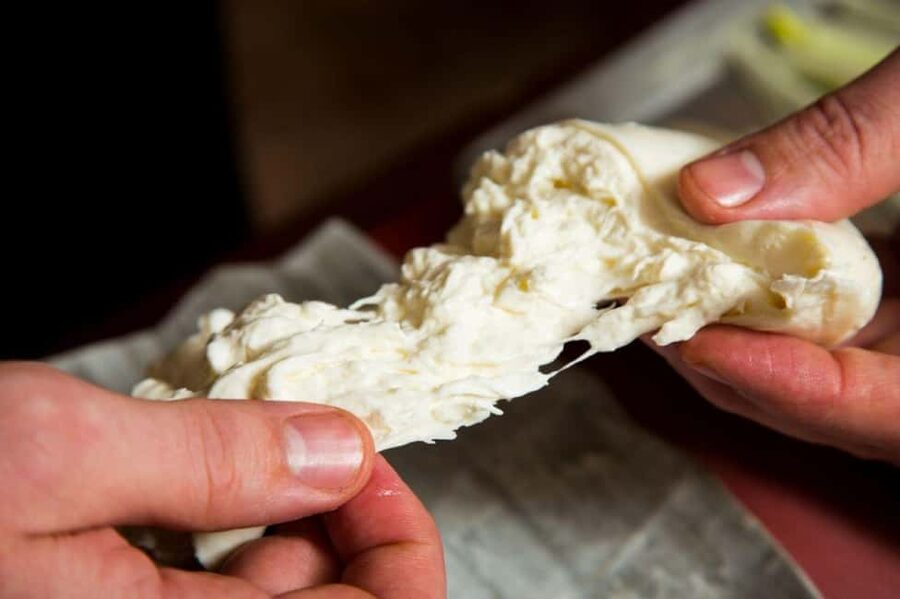
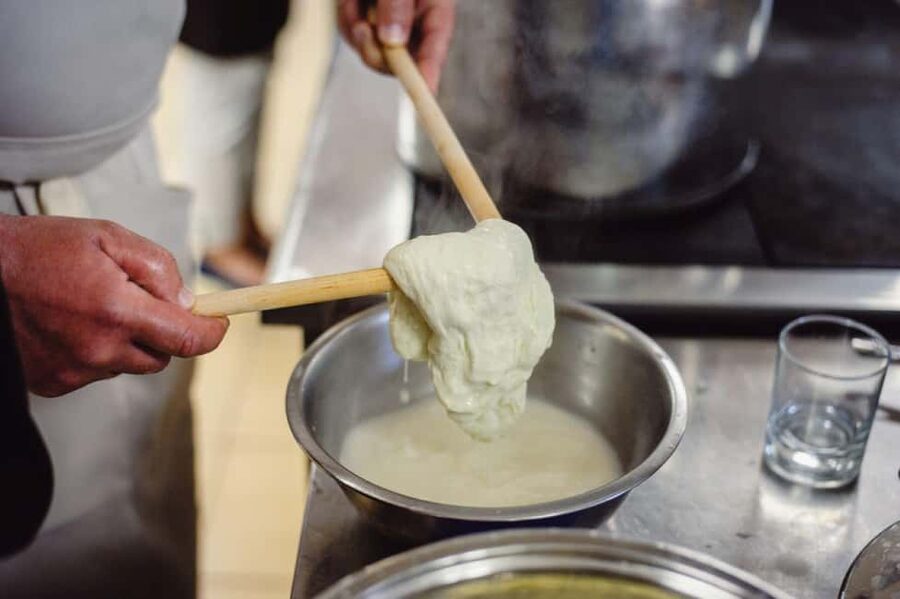
This class skips the polite distance of a standard food demonstration. You work with fresh curds and learn how heat, water, salt, and hand pressure change the texture of the cheese.
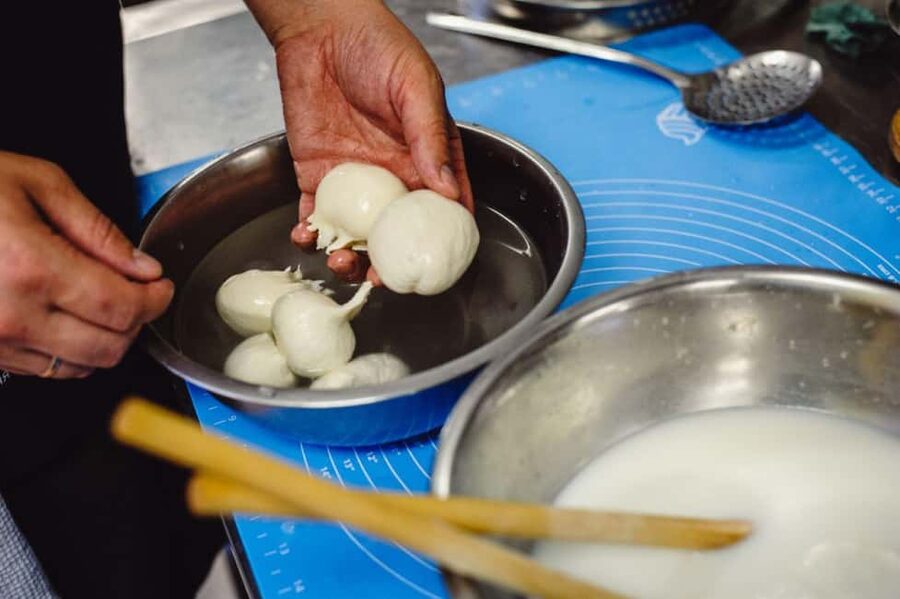
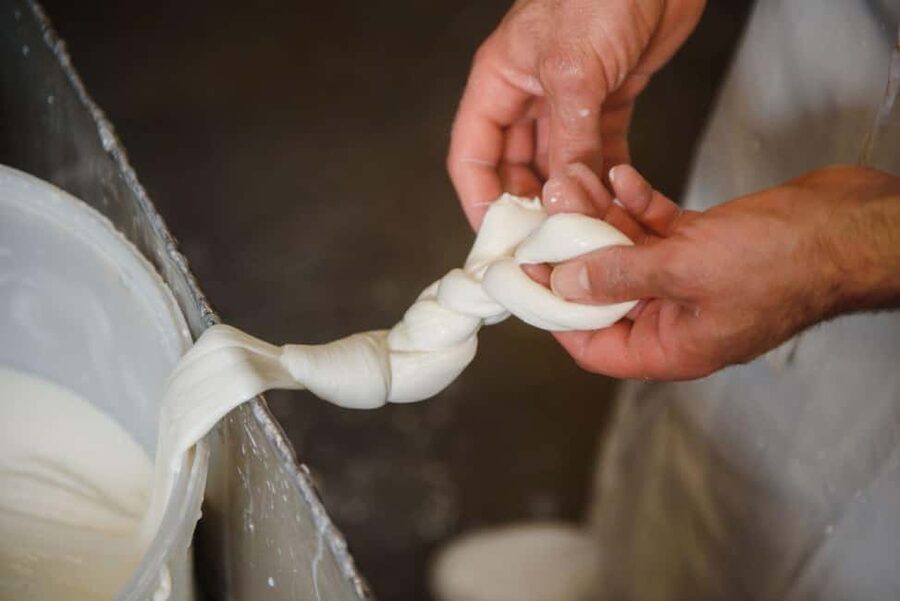
The focus is on southern Italian-style cheeses made in a Florence setting. You start with mozzarella, then move into shapes and preparations that show how much variety can come from the same basic material. Small bocconcini are formed into bite-size rounds. Nodini are twisted into little knots. Treccine are braided.
Then the class moves to burrata and stracciatella. Burrata gives you a pouch of mozzarella filled with cream and shredded cheese. Stracciatella is the soft, luxurious filling associated with burrata, made from torn cheese and cream. The lesson helps you see the difference between simply buying these cheeses and understanding how they are formed.
You will not just hear a recipe read aloud. The chef demonstrates the steps, then lets you try them yourself. Instructor names have included Jess, Alyssa, and Chef Vincenzo, with the teaching team changing by session. The available languages are English and Italian.
That hands-on element matters. Cheese shaping is a tactile skill. You need to feel when the curd is soft enough to stretch and when it needs more care. The class is designed for ordinary visitors, not professional cooks, so you do not need advanced kitchen experience.
More Wine Tours in Florence
- Tuscany Day Trip from Florence: Siena, San Gimignano, Pisa and Lunch at a Winery
★ 5.0 · 21,634 reviews - Florence: Pasta Cooking Class with Unlimited Wine
★ 4.9 · 10,285 reviews - Florence: Chianti Wineries Tour with Wine Tasting
★ 4.5 · 10,071 reviews
A Prosecco Welcome at Simbiosi Farm
You meet the chef in front of Simbiosi Farm. The provided details do not specify a transfer from central Florence, so check your route and allow enough time to reach the meeting point.
The experience begins with a cold glass of Prosecco. It is a good opening move for this kind of class. You can settle in, meet the group, and get ready to work without the formal feel of a cooking school.
The setting is described as cozy and music-filled, with the atmosphere of a friendly family restaurant. That mood is part of the appeal. This is not a silent technical class where everyone stares at a worksheet. Expect conversation, laughter, and a little disorder as the group works with warm curds.
The relaxed style also means the class may feel less polished than a formal culinary demonstration. That is not necessarily a fault. If you want a quiet, exact lesson with every step timed to the minute, this may feel loose. If you want to learn while eating, talking, and making a mess, the format fits well.
Making Bocconcini, Nodini, and Treccine
The mozzarella section is the heart of the workshop. Your instructor leads you through the process step by step, showing how to handle the curds and shape the cheese.
Bocconcini are small mozzarella pieces. They are approachable for first-time makers and easy to taste as soon as they are ready. Nodini add a simple twist, while treccine introduce braiding. These shapes are not just decorative. They show how the same cheese can be handled in different ways to create different textures and appearances.
You may find that the work is more physical than expected. The curds need careful handling, and the class is built around doing rather than taking notes. Wear something you do not mind using in a food workshop, and keep your attention on the demonstration before you begin.
The small-group setup is useful here. You can watch the technique, try it yourself, and receive individual help. A larger class might turn this into a quick show-and-tell. Here, the goal is to let you actually make the cheese.
The instructors also connect the technique to tradition. Chef Vincenzo is described as deeply committed to the craft, while Jess has led sessions that include mozzarella and stracciatella. Alyssa has also guided participants through traditional cheese production and local wine. The exact instructor can vary, but the format remains hands-on.
Burrata and Stracciatella Bring the Creamy Finale
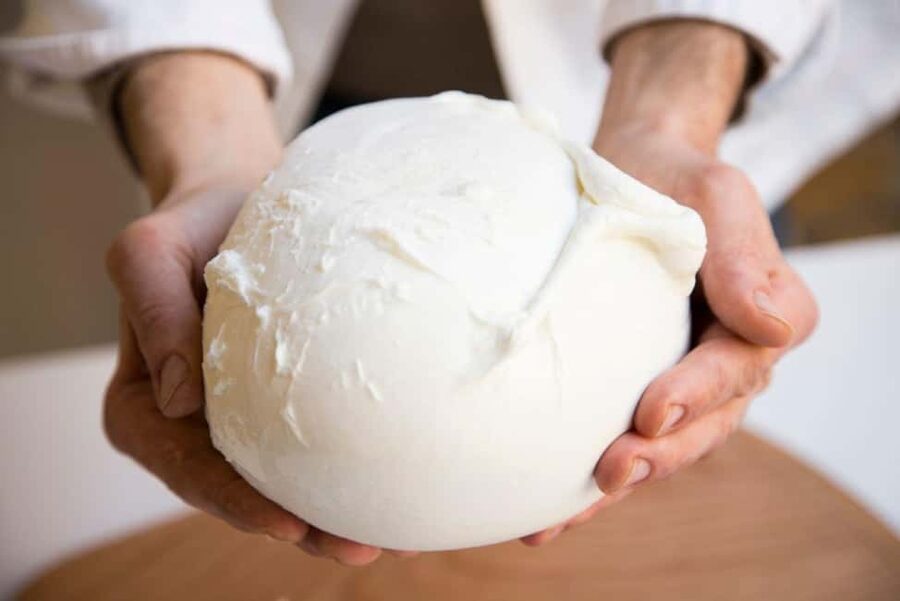
Mozzarella is only the beginning. Burrata and stracciatella give the class its most indulgent section.
Burrata requires a mozzarella shell that can hold a soft filling. Stracciatella is the creamy mixture inside, made from pulled or torn cheese and cream. The process is more delicate than shaping a plain mozzarella ball, and it helps explain why fresh burrata has such a short, special life.
You also get to taste stracciatella in more creative combinations. One listed pairing brings it together with bottarga and lemon zest. Bottarga adds a salty seafood note, while lemon cuts through the richness. It is the kind of pairing you may not order on your own, and it shows how the cheese can work beyond a basic tomato and basil plate.
The class is not only about producing a perfect final shape. Some of your pieces may look irregular. That is part of the fun. You are learning a kitchen skill, not competing in a cheese beauty contest. The reward is freshness and understanding, not uniform supermarket packaging.
More tastings around Florence:
- Small-Group Wine Tasting Experience in the Tuscan Countryside
★ 5.0 · 7,392 reviews - SMALL-GROUP Wine Safaris: Tuscan Wine Tasting Tours from Florence
★ 5.0 · 5,088 reviews - San Gimignano, Siena, Monteriggioni, Chianti Day Trip with Lunch & Wine Tasting
★ 4.5 · 4,432 reviews - From Florence: Small Group Wine Tasting Tour to Tuscany
★ 4.9 · 3,902 reviews
Eating What You Make With Tuscan Wine
After the practical work, you sit down to eat your cheese. This is where the two-hour schedule becomes especially good value.
Your creations are served with seasonal dishes and selected Tuscan wines. The food may include fresh farm products, deli items, caprese-style preparations, meatballs, truffle oil creations, or other seasonal combinations. The exact dishes can change, so think of this as a generous tasting meal rather than a fixed restaurant menu.
The wine portion includes both organic and conventional wines. You taste, compare, and decide what you like. That contrast is useful because it keeps the tasting grounded in flavor rather than labels. You do not need to know wine terminology. Sip, notice what works with the creamy cheese, and follow your own taste.
The pairing matters. Fresh mozzarella is mild and milky. Burrata is softer and richer. Stracciatella has a creamy texture that can overwhelm a delicate wine if the pairing is not balanced. Tuscan wines give the meal enough structure to keep it from becoming one long stretch of cream and salt.
Come hungry. The food is not a token plate after the class. The meal can include your cheese, seasonal dishes, and several wine pours. Some participants have had enough cheese left to take back to their accommodation, although the provided details do not promise takeaway portions at every session.
The meal also gives the class a more local feel. You are not simply sampling products behind a counter. You are eating food prepared as part of the experience, in a setting designed for conversation and hospitality.
What $74 Buys You
At $74 per person, the price is fair if you value participation and a substantial tasting meal. You receive a welcome Prosecco, a two-hour workshop, hands-on cheese making, food pairings, selected Tuscan wines, professional instruction, and a recipe booklet.
Compare that with a short tasting, where you may pay for several bites but learn little about how the food was made. Here, the instruction adds value. You also get a social evening or afternoon activity that can replace part of a meal.
The price is less attractive if you mainly want a full cooking course or a long wine seminar. Two hours goes quickly, and the cheese making, tasting, and wine portion all share the same time. You will learn the main techniques, but this is not an in-depth professional certification class.
Still, the balance is good. You make multiple cheeses, eat seasonal food, and drink Tuscan wine in a small group. The recipe booklet adds a practical benefit because it gives you a way to repeat the experience at home.
The biggest value comes from the combination. A mozzarella class alone might feel brief. A wine tasting alone might feel passive. Put the two together with a meal, and the activity becomes a complete food experience.
The Atmosphere Is Part of the Meal
The strongest feature of this workshop is the welcome. The teaching style is warm and casual, and the experience is designed to feel more like joining a generous kitchen than attending a strict lesson.
That does not mean the class lacks information. The instructors explain the steps, demonstrate the correct technique, and share the tradition behind the cheeses. You get both the practical method and the cultural context.
The music-filled room and shared food help groups connect. It suits couples, friends, and families with older children. One family with two young children found the host especially good with them, but the official minimum age is eight. Younger children should not be booked for this activity.
The social setting is also good for solo visitors. A small group gives you people to talk with, and the hands-on work creates an easy subject for conversation. You are not left alone at a table with a wine glass.
There is a little chaos, and that is worth expecting. Cheese making involves wet curds, warm ingredients, stretching, and quick hands. If you want everything neat and controlled, bring patience. If you like food that feels alive and slightly unpredictable, you will probably enjoy the tone.
Who Should Book This Cheese Class
I would recommend this experience to anyone who wants a food activity with real participation. It is particularly good for:
- Couples looking for a shared activity beyond museums and churches
- Families with children aged eight and older
- Food lovers who want to understand fresh mozzarella and burrata
- Wine drinkers who like tasting several styles with food
- Solo visitors who enjoy small-group classes
- Visitors who want a substantial meal built into a workshop
It is also a strong choice if you have already seen Florence’s major sights and want an evening that feels less formal. The class gives you a taste of Italian hospitality without requiring an entire day outside the city.
I would be cautious if you avoid dairy, dislike group activities, or want a strictly vegetarian meal with no possible seafood or meat pairings. Vegetarian and gluten-free options are available, but vegans and people with lactose intolerance should not book. Ask about dietary needs before reserving if you need more than the stated options.
Smoking and pets are not allowed.
Booking and Timing Tips
The class lasts two hours, with starting times based on availability. Since the schedule can change, check the available time before building your day around it.
You can cancel up to 24 hours in advance for a full refund. A reserve-now, pay-later option is also available, which helps if your Florence plans are still moving around.
Give yourself time to find Simbiosi Farm. The meeting point is in front of the farm, and the information provided does not include detailed transport instructions. Check the exact location when you book and avoid arriving at the last minute.
The class is offered in English and Italian. An English-speaking chef is included, so English-speaking visitors can take part without needing Italian cooking vocabulary.
You do not need to bring special equipment. The important preparation is practical: arrive ready to work with food, wear comfortable clothing, and plan to eat. The cheese, wine, and seasonal dishes are central to the experience, not extras added at the end.
Should You Book It?
Book this class if you want to do more than look at Italian food. You will shape mozzarella, make burrata and stracciatella, taste the results, and share a meal with Tuscan wine. The small-group setting and friendly instructors make the two hours feel personal.
The $74 price is justified by the amount included, especially if you treat the workshop as both a cooking lesson and a meal. The main reasons to skip it are dairy restrictions, the age limit, or a preference for a formal and highly structured class.
For most food-loving visitors, this is a smart Florence pick. Come hungry, expect some delicious chaos, and keep room for the cheese you make yourself.
FAQ
How long does the mozzarella-making workshop last?
The workshop lasts two hours.
How much does the experience cost?
The price is $74 per person.
Where is the meeting point?
Meet your chef in front of Simbiosi Farm in Florence.
Which cheeses will I make?
You will learn to make mozzarella, burrata, and stracciatella. The workshop also covers shapes such as bocconcini, nodini, and treccine.
Is food and wine included?
Yes. The experience includes a welcome glass of Prosecco, tastings of your handmade cheeses, seasonal dishes, and selected Tuscan wines.
Is the workshop available in English?
Yes. The instructors speak English and Italian, and a professional English-speaking chef is included.
Can children, vegans, or people with lactose intolerance join?
Children must be at least eight years old. The activity is not suitable for vegans or people with lactose intolerance. Vegetarian and gluten-free options are available.
More Workshops in Florence
- Florence: Pasta & Tiramisu Cooking Class with Unlimited Wine
★ 4.9 · 6,708 reviews - Florence: Pasta Cooking Class with Unlimited Wine
★ 5.0 · 6,413 reviews - Florence: Cooking Class Pasta & Tiramisu Making Unlimited Wine
★ 5.0 · 2,234 reviews - Florence: Premium Pizza & Gelato Preparation Class with Wine
★ 4.9 · 1,306 reviews
More Food & Drink in Florence
- Winner 2025 Florence Sunset Food & Wine Tour by Eating Europe
★ 5.0 · 5,015 reviews - Florence: S. Gimignano, Siena, Chianti Wine Tasting & Lunch
★ 4.6 · 3,102 reviews - From Florence: Chianti Half-Day Wine Tour with Tasting
★ 4.5 · 3,031 reviews - From Florence: Tuscany Wine & Food Tour with Guide
★ 4.9 · 1,746 reviews
Just added around Florence
- Wine Tasting Experience with Three Types of Tuscan Wine★ 4.9 · 47 reviews
- Florence: Art of Pasta Cooking Workshop with Food and Wine★ 5.0 · 69 reviews
- SMALL GROUP Tuscany Wine Tasting Safaris with Lunch / Dinner★ 4.9 · 321 reviews
- Wine Tasting Experience with Seven Types of Tuscan Wine★ 4.9 · 30 reviews
- Florence/Badesse: Tuscany Group Vespa Tour with Wine Tasting★ 4.4 · 56 reviews
- Florence: San Gimignano & Volterra Day Trip with Food & Wine★ 4.7 · 57 reviews
- Private Flavors of Florence Walking Tour(Food&Wine Included)★ 4.8 · 46 reviews
- From Florence: Ultimate Tuscany Day Trip with Wine & Lunch★ 4.8 · 221 reviews
Wine Tours in Florence, compared.
Tuscany Day Trip from Florence: Siena, San Gimignano, Pisa and Lunch at a Winery
Read our review →
Small-Group Wine Tasting Experience in the Tuscan Countryside
Read our review →
Pasta & Tiramisu Cooking Class with Unlimited Wine
Read our review →
Pisa, Siena and San Gimignano Day Trip with Lunch & Wine Pairing
Read our review →
SMALL-GROUP Wine Safaris: Tuscan Wine Tasting Tours from Florence
Read our review →Browse the lists this tour appears in