
REVIEW · SPAIN
Alicante: Old Winery with Tastings & Gaudí’s style of Church
A 1707 winery, a medieval castle, and a church built in Gaudí’s style make this more than a quick wine stop outside Alicante. You’ll travel to Novelda, walk through an old estate once owned by the Marquis of La Romana, then taste three wines in the winery restaurant.
I like the small group size, capped at 11, and the easy hotel pickup in a clean, comfortable car. I also like the way guides such as Yevgen and Stas add stops at Mola Castle and the church, often making the three-hour outing feel fuller than expected.
The main drawback is time. The visit is brisk, and the wine tasting may feel lightly guided if you want a serious lesson in Spanish wine. The outdoor vineyard visit can also suffer in bad weather, and lunch is not included.
Key points to know before booking
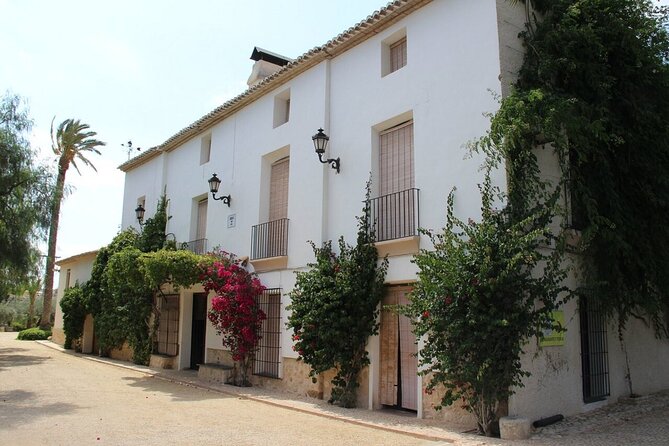
- A winery dating to 1707: Explore the old farmhouse and working production rooms connected with the Marquis of La Romana.
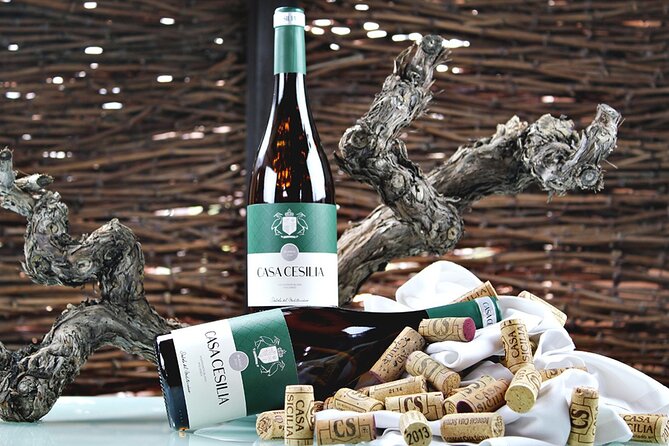
- Three wines with simple snacks: The tasting includes a white, rosé, and red wine, plus breadsticks, olives, and a tapa.
- Two worthwhile extra stops: See the Gaudí-style church and the 12th-century Castle of Mola near Novelda.
- Helpful English-speaking guides: Yevgen and Stas are praised for clear pickup messages, local information, and careful driving.
- A compact three-hour trip: The journey from Alicante takes about 30 minutes each way, leaving time for the winery and sights without a full-day commitment.
- Best for independent sightseeing without a rental car: You get transport, a guide, and an introduction to the countryside in one straightforward outing.
Why this Alicante wine trip is worth considering
Alicante is often treated as a beach base, but the province has a strong agricultural identity once you leave the city. This trip gives you a simple way to see that side of the area without renting a car or trying to arrange a taxi to a rural winery.
The destination is Novelda, roughly 30 minutes from central Alicante by car. That short transfer matters. You get a change of scene, but you do not spend most of the day sitting in a vehicle.
I like the mix of experiences. The winery gives the outing its main purpose, while the church and castle add architecture and local history. You are not asked to choose between a wine tasting and sightseeing. You get a little of both.
The $69 price is reasonable if you value convenience. It covers round-trip transport, an English-speaking guide, the winery visit, three wines, snacks, bottled water, and the extra sightseeing stops. A self-drive visit might give you more freedom, but the driver solves the problem of tasting wine and getting back to Alicante safely.
This is not a full food-and-wine day. The snacks are modest, and lunch costs extra. Think of it as a well-organized half-day outing with a tasting, not as a long restaurant experience.
More wineries worth an afternoon in Spain:
- Barcelona: Montserrat, Cogwheel, Black Madonna & Winery Tour
★ 4.8 · 5,633 reviews - Montserrat with Black Madonna & Medieval Winery with Tapas/Lunch
★ 5.0 · 5,209 reviews - Montserrat Full Day Tour with Farmhouse Lunch and Winery Visit
★ 5.0 · 1,068 reviews
Starting from Alicante with a small group
Pickup is available at four locations: Meliá Alicante, Hotel Albahía, Hotel Port Alicante City & Beach, and Hotel Travelodge Alicante Puerto. You are told the vehicle model and license plate before arrival, a useful detail when you are waiting near a hotel or meeting point.
The vehicles used by Yevgen and Stas are described as modern, clean, and comfortable. Bottled water is provided, which is especially useful during the warmer months. One guide also made a point of keeping the group comfortable and hydrated during midday heat.
The group limit is 11 people. That is small enough for a more personal ride and easier questions, though the exact feel will depend on how many people book on your date.
The drive gives you a short introduction to Alicante province. Guides have explained the countryside, agriculture, and nearby sights along the way. This is a good part of the trip to use your eyes rather than rush to the destination. You are moving from the city toward a working rural area, and the change helps put Alicante’s wine culture in context.
Smoking, food, alcohol, and drugs are not allowed in the vehicle. Since you will be tasting wine at the winery, the no-alcohol rule during transport is sensible.
Walking through a winery from 1707
The winery and farmhouse are the heart of the experience. This old estate dates from the 18th century and once belonged to the Marquis of La Romana. Its age gives the visit a sense of place that a modern tasting room cannot easily reproduce.
You begin with the property and its connection to the area. The guide explains how the estate developed and how wine production fits into the local economy. The focus is practical rather than academic, which suits a short visit.
The route includes the main stages of production:
- The fermentation room
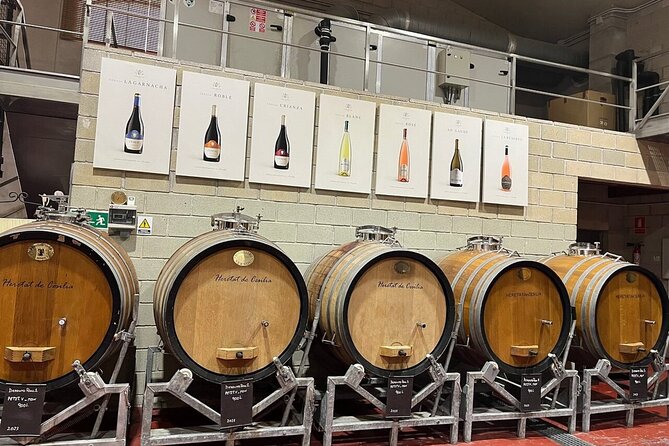
- The barrel room
- The bottling area
- The old house and winery spaces
- The vineyard, when conditions allow
Seeing these areas in sequence helps you follow the path from grape to bottle. You learn about organically grown grapes, fermentation, aging, and bottling rather than simply being handed a glass at the end.
The barrel room is likely to be one of the more atmospheric parts of the visit. The old rooms and working equipment give the estate character, while the production areas show that this is not only a historic building preserved for display.
The outdoor part depends on the weather and timing. In rain, you may not get much time among the vines. That is worth remembering if the vineyard itself is your main reason for booking.
The winery staff lead part of the visit, while your transport guide handles the journey and often adds information about the wider area. English is the stated tour language. One experience was less easy to follow because the winery guide was difficult to understand, so the quality of the spoken explanation may vary slightly depending on who leads that portion.
Tasting white, rosé, and red wine
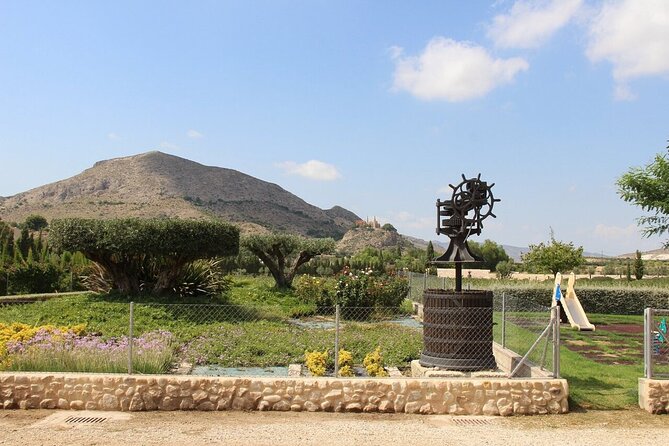
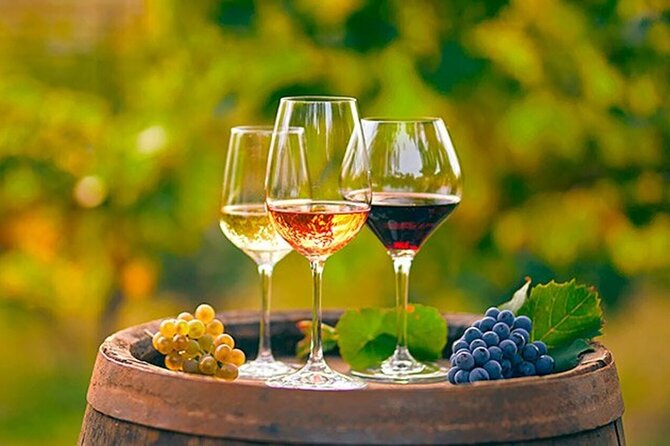
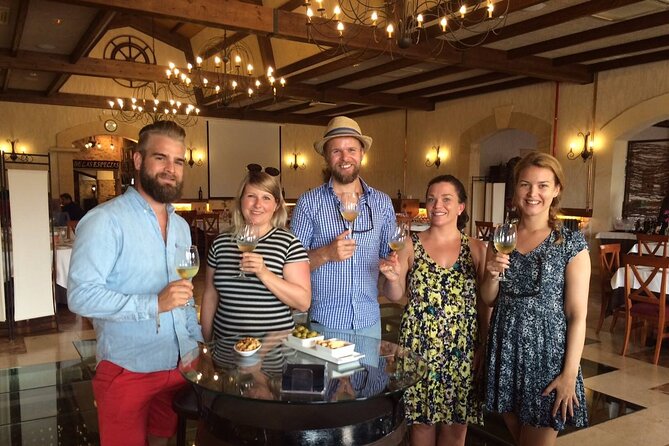
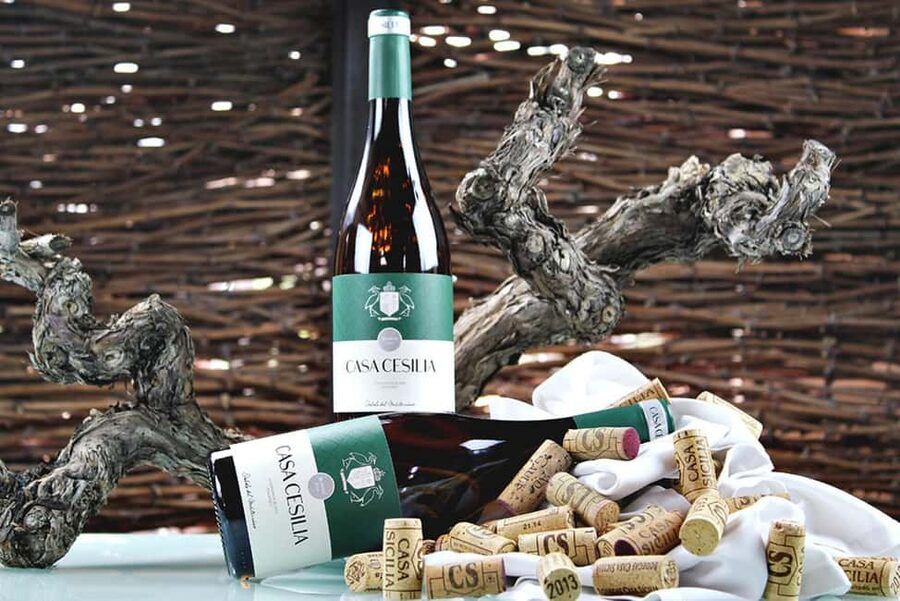
The tasting takes place in the winery restaurant and includes three wines: one white, one rosé, and one red. This is a sensible lineup because it gives you a basic tour through different styles without overloading a short excursion.
Breadsticks, olives, and a tapa accompany the wine. The food is enough to make the tasting more pleasant and gives you something to nibble between pours, but it is not a substitute for lunch.
The wines are explained as you taste them. You can expect an introduction to each bottle and its place in the winery’s production. If you are new to wine, this format should give you a useful starting point. If you already know Spanish wine well, you may want more detail about grape varieties, vintage, aging, or regional classification.
That is the main limit of the tasting. It is designed for a broad audience, not for wine professionals or serious collectors. One person found the session less detailed than expected and felt the group was left to taste on its own at times.
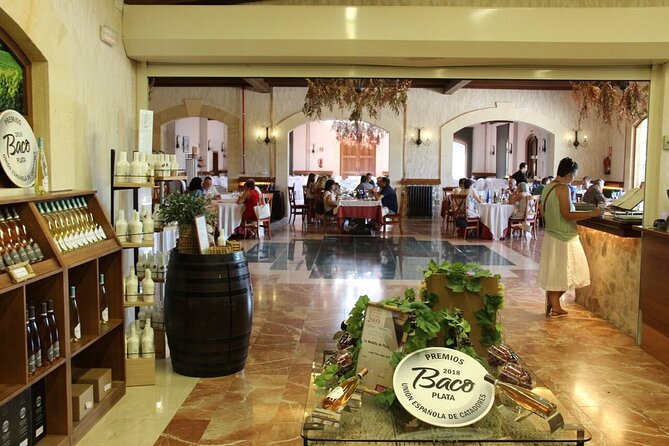
Still, the setting adds value. You are drinking in the winery restaurant rather than in a generic city bar, with the old estate around you. The experience is relaxed, and there is no need to hurry through three formal courses of wine.
A winery shop offers bottles and other products, including oils and vineyard merchandise. Buying is optional, and there is no stated pressure to do so. You can pick up a bottle for later in your trip if you find a favorite.
A few more wine days around Spain worth comparing
- Montserrat Half-Day Tour with Tapas and Gourmet Wines
★ 5.0 · 7,359 reviews - Montserrat & Cogwheel Train, Gourmet Wine Tasting & Tapas/Lunch
★ 5.0 · 6,290 reviews - Barcelona Tapas and Wine Experience Small-Group Walking Tour
★ 5.0 · 5,804 reviews - Barcelona: Tapas Walking Tour with Food, Wine, and History
★ 4.8 · 4,261 reviews
Mola Castle and the Gaudí-style church
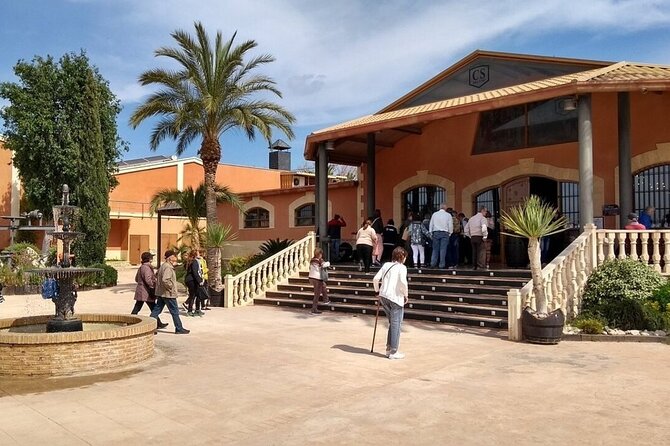
The bonus sightseeing stops help make this trip feel like a small tour of Novelda rather than a simple transfer to a winery.
The Church of Santa María Magdalena is known for its Gaudí-style design and is often described as resembling a smaller version of Barcelona’s Sagrada Família. The unusual architecture makes it an easy highlight, especially if you have already seen the more familiar churches of Alicante.
You get a short visit and an explanation of the building. The stop is not designed as a long architectural lecture, but the guide can point out the main features and explain why the church is unusual in this part of Spain.
The church is near Mola Castle, a medieval fortress built in the 12th century. The castle adds a very different mood: rough stone, defensive walls, and wide views over the surrounding area. It is a useful contrast with the decorative church and the refined old winery.
The order of the stops can vary. Some outings visit the church and castle first, then continue to the winery. On others, the sights become an extra stop after the tasting. The guides have been praised for including these visits even when they were not expected as part of the main wine stop.
Allow time for walking and photographs. The supplied information does not promise a long castle tour or a full interior visit, so you should think of Mola as a scenic historical stop rather than a major fortress museum.
The church and castle also make the trip more appealing for anyone in your group who is not particularly interested in wine. One person who came mainly for the winery can still enjoy the architecture and views.
How the three-hour timing works
The total duration is about three hours. That includes the drive from Alicante, the Novelda sights, the winery visit, the tasting, and the return journey.
This is a well-judged length for a morning or afternoon outing. You see something outside the city without giving up an entire day at the beach, museum, or old town.
The schedule is fairly tight. You should not expect a long vineyard walk, an extended lunch, or time to wander every room at your own pace. The winery visit itself takes around two hours within the itinerary, including sightseeing and tasting, while the rest is transport.
Lunch is not included. You may be able to order at the winery restaurant if tables are available, if you agree on waiting time with the driver, and if there is no later tour to catch. A private tour allows lunch to be ordered in advance.
For most people, I would treat lunch as a separate plan rather than count on it. The snacks are enough for a short tasting, but you may want to eat before or after the excursion.
The tour operates in English. If you need another language, this is not the right choice based on the information provided.
The guides make a real difference
The strongest part of the transport service is communication. Yevgen has sent detailed pickup instructions, including meeting time and vehicle information, and has been described as friendly, attentive, and easy to understand. Stas has also been praised for his local information, calm driving, and sense of humor.
Both names appear repeatedly in connection with clean vehicles and dependable pickup. Several people appreciated being told exactly where to wait and what car to look for.
That attention matters on a short tour. If the vehicle arrives late or the meeting point is unclear, three hours can quickly feel rushed. Clear messages protect the time you have at the winery.
The guides also add value beyond driving. They explain the countryside, agriculture, church, and castle, and some have taken photos for the group. They have occasionally added a short sightseeing stop when the schedule allowed.
Keep your expectations clear, though. The guide is not necessarily the same person leading the winery presentation. The winery staff provide the production explanation, and their delivery may vary.
Practical fit, comfort, and limitations
This outing works best for adults who like a little wine, local architecture, and easy sightseeing. You do not need to be a wine expert. The three-wine format is approachable, and the snacks make it social without turning the visit into a formal tasting course.
It also suits cruise passengers and hotel-based visitors. If you arrive by cruise ship, Meliá Alicante is a practical pickup point because the cruise shuttle stops close by, according to the supplied directions.
The tour is not suitable for wheelchair users. The information does not promise step-free access at the winery, church, or castle, so anyone with mobility concerns should check directly before booking.
Wear comfortable shoes and bring a camera. The church, castle, old winery, and countryside all offer better photo opportunities than the short city transfer suggests.
Free cancellation is available up to 24 hours before departure, and you can reserve now and pay later. Check the available start times because the three-hour schedule can affect your plans for lunch or other Alicante activities.
Should you book this Alicante winery tour?
Book it if you want a simple way to see rural Alicante, taste three local wines, and visit two distinctive Novelda sights without renting a car. The price is fair for the transport, small group, English guide, winery access, tasting, snacks, and bottled water.
I would especially choose it for a first visit to Alicante, a cruise stop, or a day when you want something beyond the city center but do not want a long excursion. Yevgen and Stas appear to add real value through clear communication, careful driving, and local explanations.
Skip it if you want a serious wine seminar, a large meal included, or hours among the vines. The tasting is pleasant but fairly compact, and the church and castle visits are short.
For most people, this is a well-balanced three-hour outing. The 1707 estate gives it atmosphere, the wine gives it purpose, and Mola’s church and castle keep the day from feeling one-note.
FAQ
How long is the Alicante winery tour?
The experience lasts about three hours, including round-trip transport between Alicante and Novelda.
Where can I be picked up?
Pickup is available at Meliá Alicante, Hotel Albahía, Hotel Port Alicante City & Beach, and Hotel Travelodge Alicante Puerto.
How many wines are included?
You taste three wines: a white, a rosé, and a red.
Is food included with the wine tasting?
Breadsticks, olives, and a tapa are included. Lunch is not included, though it may be possible to order at the restaurant if tables and time are available.
Is the tour conducted in English?
Yes. The tour language is English, with a live English-speaking guide.
Does the tour include Mola Castle and the Gaudí-style church?
Yes. The experience includes a visit to the Gaudí-style church and the medieval Castle of Mola near Novelda.
Is the tour suitable for wheelchair users?
No. The experience is listed as unsuitable for wheelchair users.
Just added around Spain
- Bilbao Pintxo Tasting Paired With Spanish Wines★ 5.0 · 55 reviews
- Rioja wine region with visit to winery & Vitoria-Gasteiz★ 4.5 · 32 reviews
- La Rioja Boutique Wine Tour & Charming Lunch (From Bilbao)★ 5.0 · 62 reviews
- Rioja Wine Tour: 2 Wineries From Bilbao★ 5.0 · 111 reviews
- Rioja & Txakoli Wine Tasting in Bilbao with a Local Sommelier★ 5.0 · 40 reviews
- Basque Best Bites – #1 Food & Wine tour of Bilbao★ 5.0 · 268 reviews
- Complete winery experience: visit, tasting and traditional food★ 4.5 · 175 reviews
- 2 Wineries Small Group Tour with Free Hotel PickUp from Sitges★ 5.0 · 83 reviews
Wine Tours in Spain, compared.

Montserrat Half-Day Tour with Tapas and Gourmet Wines
Read our review →
Montserrat & Cogwheel Train, Gourmet Wine Tasting & Tapas/Lunch
Read our review →
Barcelona Tapas and Wine Experience Small-Group Walking Tour
Read our review →
Montserrat, Cogwheel, Black Madonna & Winery Tour
Read our review →
Montserrat with Black Madonna & Medieval Winery with Tapas/Lunch
Read our review →
Tapas Walking Tour with Food, Wine, and History
Read our review →
Madrid Tapas & Wine Tasting Walking Tour – Small Group Local Bars
Read our review →
Sevilla Food Tour: Tapas, Wine, History & Traditions
Read our review →Browse the lists this tour appears in