
REVIEW · SPAIN
Alicante: Santa Bárbara Castle Wine Tasting & Tapas
Santa Bárbara Castle gives this short tasting a memorable setting: you sip Alicante wine high above the city, with the sea and rooftops spread below. I like the pairing of three local wines with Alicante foods, and I like that guides such as Carmen and Mario explain the region instead of simply pouring glasses. The choice between a classic DO Alicante tasting and a premium red-wine version is another useful touch.
The main drawback is finding the tasting point. You meet at Santa Catalina Tower, but the actual session is at the Baluarte de la Contramina, reached via the castle and the second elevator stop. Give yourself time to get there, and do not expect a large meal: the tapas are a modest accompaniment, not lunch.
Key points at a glance
- A castle tasting with a real view: The Baluarte de la Contramina offers a striking setting inside Santa Bárbara Castle, though the sea view can vary by season and seating area.
- Two wine menus: Pick three DO Alicante wines, including white, red, and sweet wine, or three premium red wines rated above 92 Parker points.
- Local pairings: Expect Alicante cured sausage and other small bites, with bread and olive oil included in the premium option.
- Strong guides: Carmen and Mario are frequently praised for clear explanations, friendly service, and an easygoing manner.
- Only 45 minutes: This works well as a compact castle add-on, but it is too brief for anyone seeking a full winery visit.
- Plan your arrival: The meeting point can be confusing, and the uphill route or elevator queue may take longer than expected.
Why Santa Bárbara Castle makes the tasting special
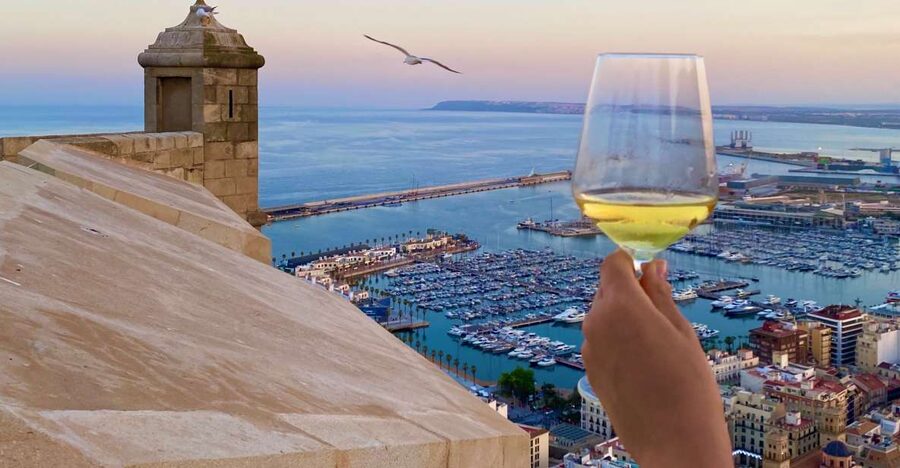
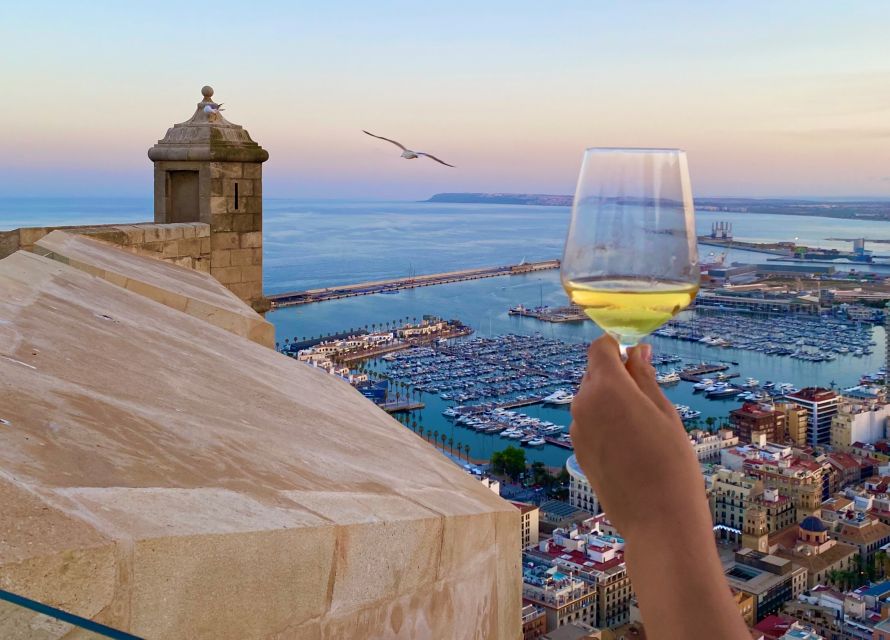
Alicante has many places to drink wine, but few offer this combination of local bottles and a hilltop castle. The tasting takes place at the Baluarte de la Contramina, in the upper part of Santa Bárbara Castle. You are not sitting in a generic bar or hotel room. Stone walls, open views, and the castle setting give the 45 minutes a sense of place.
That setting matters because Alicante wine is the point of the activity. The guide does not present an international wine list with a token local bottle. The classic menu is built around wines from DO Alicante, the region’s protected designation of origin. You taste a white, a red, and a sweet wine, which gives you a quick look at three very different local styles.
The setting is at its best in the late afternoon or evening. One session was described as especially romantic at sunset, with the castle and city below taking on a softer look. Still, keep your expectations measured. The exact view depends on where you sit, the time of year, and the weather. A spring participant found that the sea was not visible from the tasting space, even though a better open-air area may be used in summer.
I would arrive early enough to explore the castle before the tasting. That turns a short drink stop into a fuller visit, and it protects you from rushing through the castle grounds to find the meeting point.
More wine and tapas evenings in Spain:
- Montserrat Half-Day Tour with Tapas and Gourmet Wines
★ 5.0 · 7,359 reviews - Montserrat & Cogwheel Train, Gourmet Wine Tasting & Tapas/Lunch
★ 5.0 · 6,290 reviews - Barcelona Tapas and Wine Experience Small-Group Walking Tour
★ 5.0 · 5,804 reviews
Finding the meeting point without losing time
The instructions begin at the entrance to Santa Catalina Tower. This is the place to go first, rather than heading straight to an unspecified room inside the castle. Once there, you need to reach the Baluarte de la Contramina, described as the second stop of the elevator in the upper part of the castle.
This sounds simple on paper, but the route has caused confusion. Some people needed to ask castle staff for directions, and one person arrived with only minutes to spare after an extra walk. Another found the starting point but had to walk about ten more minutes before reaching the tasting area.
You should allow extra time, particularly if you are visiting Santa Bárbara Castle for the first time. The castle sits on a hill, and the approach can involve a long uphill walk. In hot weather, that climb can be tiring. The elevator is useful, but queues can be long, and its availability has not always been consistent. One participant reported that the lift was not working, turning the uphill approach into a harder task.
The practical plan is simple:
- Go to Santa Catalina Tower first.
- Ask castle staff to point out the wine tasting route if you are unsure.
- Arrive early enough to handle an elevator queue or a walk.
- Use the spare time to see the castle and viewpoints.
- Keep your booking details ready in case you need to confirm the meeting location.
That small amount of planning makes a real difference. You do not want to spend the first ten minutes of a 45-minute activity searching for the table.
The classic three-wine DO Alicante tasting
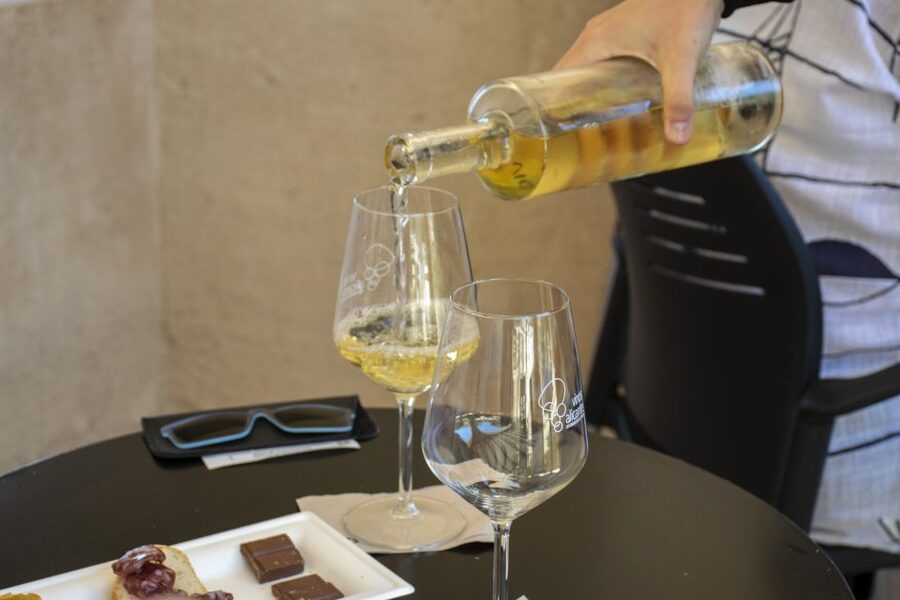
The standard option is the most approachable choice for a first taste of Alicante wine. You receive three wines: one white, one red, and one sweet wine. The selection gives you contrast from glass to glass, rather than offering three similar reds.
The white has been described in one tasting as a Chardonnay. The red was identified as a wine made with 60 percent Monastrell, a grape strongly linked with southeastern Spain. The sweet wine was Moscatel de la Marina. These details may vary with the current selection, but they show the kind of regional range you can expect from the menu.
The sweet wine divides opinion more than the first two pours. If you enjoy dessert wine, it can be a pleasant finish and a clear example of a different local style. If you prefer dry wines, you may find it too sweet. There is no stated alternative pour, so you should choose the classic option because you want to sample all three styles, not because you expect three dry table wines.
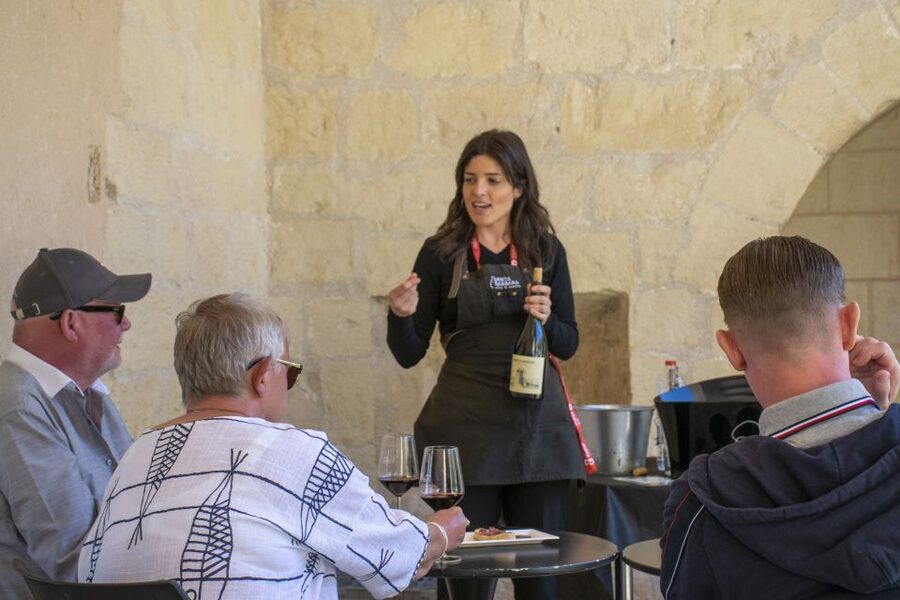
The tasting is guided rather than self-service. Carmen has been praised for explaining the wines in both English and Spanish, and Mario has also been singled out for making the session relaxed and enjoyable. Their role is especially useful if you know little about Spanish wine. You can ask about the grapes, production, flavor differences, and bottles to seek out later.
Portions appear generous enough for a tasting, though not everyone felt the glasses were large. A few people found the overall wine amount good value, while others expected more than three small pours. At $30 per person, the standard option makes sense when you place a fair value on the castle setting, the instruction, and the food pairing. It is less compelling if your only goal is to drink as much wine as possible.
What comes with the local tapas
The food is designed to support the wine, not fill you up. Expect small servings of Alicante products, including cured sausage, cheese, bread, and other cold cuts. The pairings help you notice how salt, fat, and sweetness change the taste of each wine.
The classic tasting has been described with dried meats, cheese, bread, and a sweet accompaniment. Some portions have been considered generous enough, while others found the sausage and cheese plates too small. One person finished the cold cuts before the first glass was fully tasted. That tells you exactly how to plan: have a meal beforehand if you are hungry.
The bread and olive oil are especially important with the premium menu. They provide a simple base for comparing the three reds and give you something to eat between glasses. At least one participant found the bread stale and the cheese portions limited, so the food is not the strongest reason to book this activity.
Still, the pairing is useful. A dry red with cured meat behaves differently from the same wine tasted alone. A sweet wine after salty food can seem less heavy. The guide can help you notice those changes, making the tapas more than a plate placed beside the glasses.
More tastings around Spain:
- Madrid Tapas & Wine Tasting Walking Tour – Small Group Local Bars
★ 5.0 · 3,644 reviews - Toledo Tour & Vineyard Walk with Wine Tasting from Madrid
★ 5.0 · 2,546 reviews - Madrid: Tapas & Wine Tasting Tour with Local Guide
★ 4.8 · 2,171 reviews - Paella Cooking Class, Wine Tasting & Central Market in Valencia
★ 5.0 · 1,150 reviews
The premium option for serious red-wine fans
The premium menu replaces the white, red, and sweet lineup with three premium red wines. Each is rated above 92 Parker points, and the tasting includes commentary, tapas, olive oil, and artisanal bread.
This is the better choice if you already prefer red wine and want to compare higher-rated bottles. Three reds allow a more focused tasting, with the guide able to discuss differences in body, fruit, oak, finish, and balance. You will not get the same broad introduction to Alicante styles as you would with the standard menu, but you may get a stronger sense of how the region’s more ambitious wines are made.
The listing does not identify the exact bottles, so you should not book this option expecting a particular producer or grape. Its appeal is the quality level and the focused format. A Parker score above 92 is a useful reference, but it is not a guarantee that every bottle will suit your taste.
The premium option may also offer better value for someone who normally buys higher-priced wine. For a casual drinker, the standard tasting is probably the safer choice. For a red-wine enthusiast, three premium pours in a castle can justify the higher-priced option, assuming the supplement is reasonable at the time of booking.
The guides shape the whole 45 minutes
The strongest part of this activity is often the person leading it. Carmen receives repeated praise for being friendly, professional, attentive, and generous with her explanations. She has also been described as willing to take photos and speak with each group rather than delivering a speech and walking away.
Mario is praised in much the same way. He has been described as warm, enthusiastic, and able to make wine pairing fun. That matters in a short tasting. You need a guide who gives enough information to make the wine interesting without turning a relaxed castle visit into a lecture.
The sessions are offered in English and Spanish. If the guide switches between both languages for a mixed group, you may occasionally lose the thread. One person found it difficult to follow when the language changed, so tell the guide if you need a point repeated. The format appears informal enough for questions, and asking about the wine is part of the value.
The best guides give you time to taste between explanations. That balance lets you enjoy the view, talk with your companions, and still learn something practical for the rest of your trip.
Is $30 a fair price?
At $30 per person, the value rests on three parts: the wines, the small food pairing, and the castle location. If you see this as three glasses and a few bites, the price may feel high compared with a neighborhood wine bar. If you include access to a special setting and a guided introduction to Alicante wine, it becomes more reasonable.
The standard menu is the better value for most people because it gives you three distinct styles. You get a white, a red, and a sweet wine, plus local food. The premium menu should appeal mainly to people who actively want three higher-rated reds.
The activity also saves you from arranging a separate winery visit outside the city. You can learn about Alicante wine without giving up half a day for transport. That is a real advantage if your schedule is short or you are already visiting the castle.
There are limits. This is not a full meal, not a vineyard tour, and not a long technical seminar. The food portions can be modest, and the classic tasting has only three wines. Book it for the setting and the local introduction, not as an all-evening drinking event.
Who should book this castle tasting?
I would recommend it to couples looking for a relaxed evening with a strong setting, first-time visitors who want a quick introduction to Alicante wine, and anyone already planning to visit Santa Bárbara Castle. It also suits small groups who enjoy talking over a few glasses rather than racing through a long itinerary.
The activity is less suitable if you need a substantial meal, dislike sweet wine, or want a tasting built around many different bottles. It may also frustrate anyone who dislikes uphill walks, queues, or unclear directions. Check the route before you go and leave time for the castle itself.
The castle is wheelchair accessible, which makes the activity available to more visitors, though the practical route and elevator conditions are worth confirming at the time of booking.
Free cancellation is available up to 24 hours before the start, and you can reserve now and pay later. Those terms help if your Alicante plans are still shifting, but they do not remove the need to arrive early.
Should you book it?
Book this if you want Alicante wine in an unmistakable Alicante setting. The guides, especially Carmen and Mario, add real value, and the three-wine format gives you a useful introduction without taking up an entire afternoon. The castle view and the chance to explore Santa Bárbara before or after make the short session feel more substantial.
Choose the classic DO Alicante menu if you want variety, including a sweet wine. Choose the premium menu if you prefer red wine and care about higher-rated bottles. Skip it if you want a full dinner or a large tasting flight.
My practical advice: eat a light meal first, arrive early at Santa Catalina Tower, and treat the tapas as a pairing rather than dinner. Do that, and this $30 activity can be one of the more memorable short stops in Alicante.
FAQ
Where does the wine tasting meet?
Meet at the entrance of Santa Catalina Tower at Santa Bárbara Castle. The tasting itself takes place at the Baluarte de la Contramina, in the upper part of the castle.
How long does the activity last?
The wine and tapas tasting lasts 45 minutes. Check the available starting times when you book.
What wines are included in the classic option?
The classic DO Alicante option includes three wines: one white, one red, and one sweet wine. The exact bottles may change.
What is included in the premium option?
The premium option includes three red wines, each rated above 92 Parker points. It also includes tapas, olive oil, and artisanal bread.
Is the tasting available in English?
Yes. The activity is offered in English and Spanish.
Can I cancel the booking?
You can cancel up to 24 hours in advance for a full refund. You can also reserve now and pay later.
More Food & Drink in Spain
- Barcelona: Tapas Walking Tour with Food, Wine, and History
★ 4.8 · 4,261 reviews - Sevilla Food Tour: Tapas, Wine, History & Traditions
★ 5.0 · 3,468 reviews - Barcelona: Food Walking Tour with Tapas and Wine
★ 4.9 · 2,180 reviews - Barcelona Tapas Walking Tour: Food, Wine & History
★ 4.5 · 1,928 reviews
Just added around Spain
- Bilbao Pintxo Tasting Paired With Spanish Wines★ 5.0 · 55 reviews
- Rioja wine region with visit to winery & Vitoria-Gasteiz★ 4.5 · 32 reviews
- La Rioja Boutique Wine Tour & Charming Lunch (From Bilbao)★ 5.0 · 62 reviews
- Rioja Wine Tour: 2 Wineries From Bilbao★ 5.0 · 111 reviews
- Rioja & Txakoli Wine Tasting in Bilbao with a Local Sommelier★ 5.0 · 40 reviews
- Basque Best Bites – #1 Food & Wine tour of Bilbao★ 5.0 · 268 reviews
- Complete winery experience: visit, tasting and traditional food★ 4.5 · 175 reviews
- 2 Wineries Small Group Tour with Free Hotel PickUp from Sitges★ 5.0 · 83 reviews
Wine Tours in Spain, compared.

Montserrat Half-Day Tour with Tapas and Gourmet Wines
Read our review →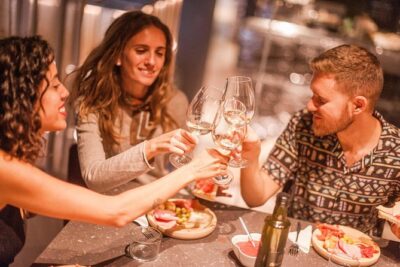
Montserrat & Cogwheel Train, Gourmet Wine Tasting & Tapas/Lunch
Read our review →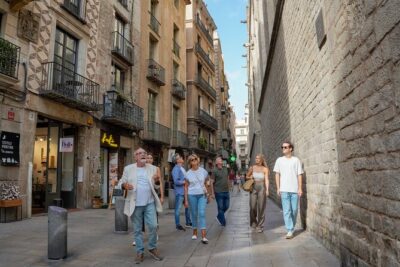
Barcelona Tapas and Wine Experience Small-Group Walking Tour
Read our review →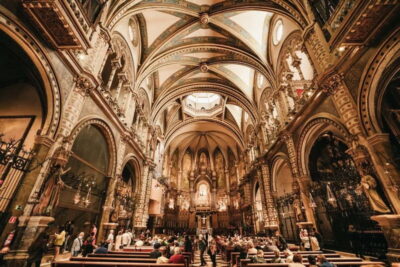
Montserrat, Cogwheel, Black Madonna & Winery Tour
Read our review →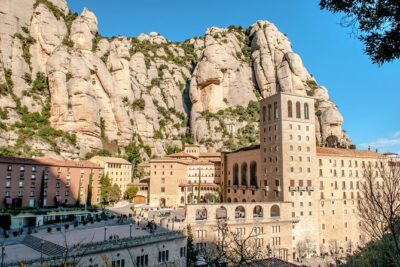
Montserrat with Black Madonna & Medieval Winery with Tapas/Lunch
Read our review →
Tapas Walking Tour with Food, Wine, and History
Read our review →
Madrid Tapas & Wine Tasting Walking Tour – Small Group Local Bars
Read our review →
Sevilla Food Tour: Tapas, Wine, History & Traditions
Read our review →Browse the lists this tour appears in