
REVIEW · VALENCIA
Wine Tasting Experience with a Professional Sommelier in Valencia City Center
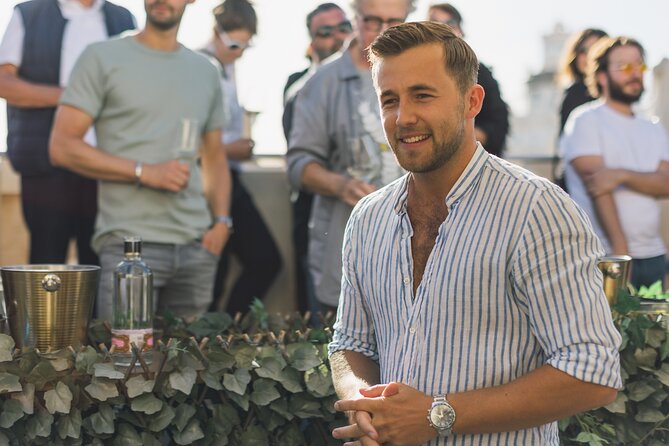
The most interesting part of this Valencia evening is the chance to taste five small-production Spanish wines with Tristan Van Doorn, a sommelier who has worked in 3 Michelin-starred restaurants across Europe. This is not just a round of drinks. Tristan explains how wines from different Spanish regions vary, how quality is judged, and what you should notice in the glass.
I like the central L’Eixample location and the social setup, which can work especially well if you are traveling alone. I also like the mix of red and white wines, plus Spanish snacks and petit fours. The main caution is value: at $75.01, you should expect a polished tasting, yet food portions may feel light, and a crowded session can make Tristan hard to hear.
Key points to know before booking
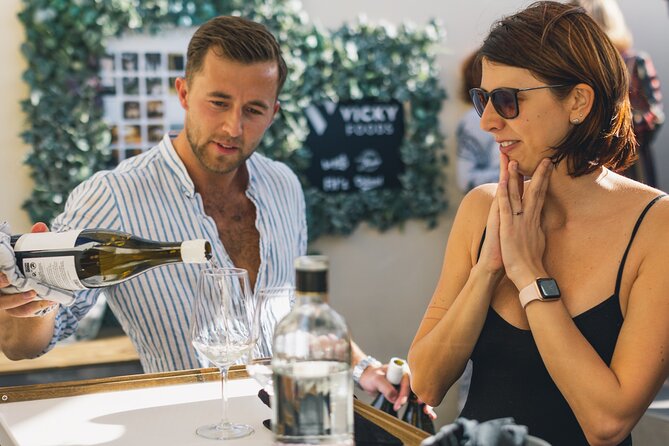
- Five artisanal Spanish wines: Expect a selection of three white wines and two reds in at least one reported tasting, with regional and quality comparisons.
- Hosted by Tristan Van Doorn: He brings experience from high-end Michelin restaurants and leads the tasting in English.
- Tapas are included: The food can include Spanish snacks, small canapés, fuet, cheese, olives, and petit fours, though portions may be modest.
- Starts at 6 p.m.: The two-hour evening format fits neatly before or after dinner in Valencia.
- A social experience: Solo visitors may be seated with other solo people or couples, making this a useful way to meet others.
- Parking is difficult: Public transportation is nearby, while finding a car space around the meeting point can take time.
Five Spanish wines in the heart of Valencia
This experience begins at Carrer de Martí, 17, in Valencia’s L’Eixample district. You meet at 6 p.m. and finish at the same place, so you do not need to arrange a second pickup or find your way across town after the final pour.
The location is one of the experience’s practical strengths. You are in central Valencia, near public transportation, with the rest of the city close by for dinner or an evening walk. If you are driving, allow extra time. Parking around the meeting point can be limited and busy, and you may need to search farther away.
The tasting opens with an aperitif, described as a glass of cava. This gives you a friendly start while the group gathers and Tristan sets the tone. Cava also puts Spanish wine on the table immediately, rather than treating the country as only a red-wine destination.
From there, the main tasting covers at least five artisanal Spanish wines. The selection can include both white and red wines. One reported lineup included three whites and two reds, a useful balance if you want to understand Spain beyond the familiar reds of Rioja.
The exact bottles are not fixed in the information provided, so you should not book this expecting a particular producer or grape. That flexibility can be a plus. You get a broader introduction to Spanish wine, though serious collectors may prefer an event built around one region or varietal.
More Wine Tours in Valencia
- Valencia Old Town Tour with Wine & Tapas in 11th Century Historic Monument
★ 5.0 · 3,234 reviews - Valencia: Old Town Tour, Wine & Tapas in an 11th c. Monument
★ 4.9 · 1,797 reviews - Paella Cooking Class, Wine Tasting & Central Market in Valencia
★ 5.0 · 1,150 reviews
How Tristan teaches the tasting
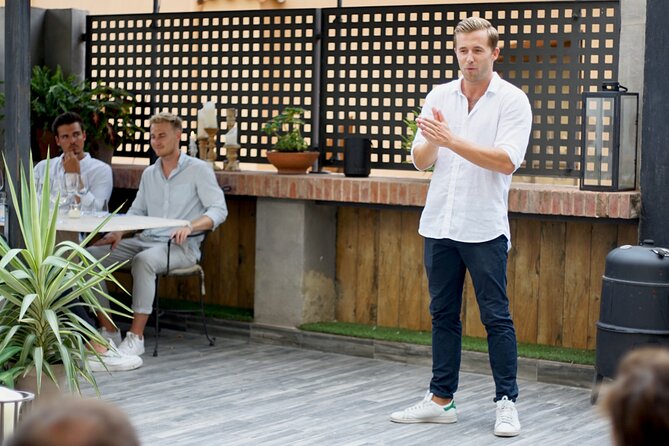
The value of this experience rests heavily on Tristan Van Doorn. He presents himself as an international sommelier with experience in some of Europe’s top Michelin restaurants, including 3 Michelin-starred settings. That background gives the evening a professional frame, but the key question for you is whether the explanations are useful rather than overly technical.
The format appears aimed at both beginners and wine drinkers who already know a little. Tristan discusses how wines from one Spanish region differ from another and how quality is determined. In plain terms, you should come away with a better idea of why two Spanish wines can taste different even when both are made from grapes you recognize.
This kind of comparison is the best reason to attend. A tasting lets you consider several wines close together, instead of trying to remember a bottle from one restaurant and compare it with another days later. You can notice differences in white and red styles, ask questions, and test your own impressions against the sommelier’s explanation.
Several comments describe Tristan as friendly and clear, with strong command of Spanish wine. That praise matters because a wine tasting can quickly become dull if the host talks down to beginners or buries the group in specialist terms. Here, the tone appears more welcoming and social.
There is one practical issue: sound. The stated maximum is 25 participants, but one account describes a session of about 35 people on a small terrace. If the group reaches the upper end, you may have trouble hearing from the back. This is worth keeping in mind if you want a quiet, highly detailed lesson.
The food pairing: tapas, snacks, and petit fours
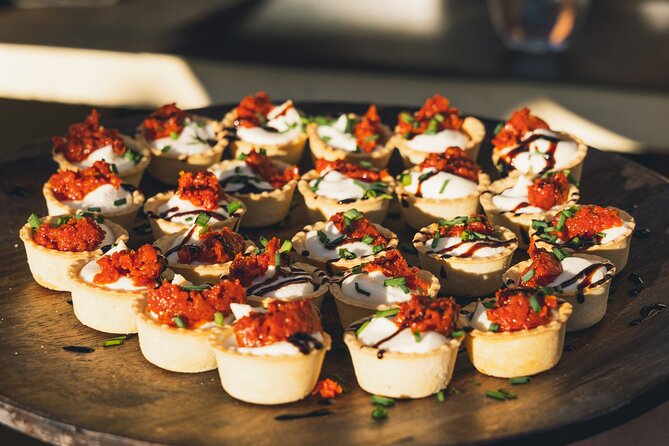
The food is meant to support the wine, not serve as a full dinner. The listed menu includes various Spanish snacks and high-end petit fours. You may also see small canapés, fuet, cheese, and olives during the session.
That sounds like a pleasant match for the wine, but you should set your expectations carefully. One description of the food included a small cheese vol-au-vent with cranberry, bread with pâté, and a shared board of fuet, cheese, and olives for seven people. Another described sardine paste on white bread and a whipped gorgonzola preparation with fig.
These details show two things. First, the food can include distinctly Spanish and more adventurous flavors. Sardine, pâté, strong cheese, and cured sausage are not bland filler, and they give you something to discuss alongside the wines. Second, the portions may be closer to tasting bites than tapas plates.
I would not use this experience as a substitute for dinner. If you are hungry, plan a meal afterward. The tasting ends back at the meeting point after about two hours, placing you in a good central area for a later meal.
The food also seems to arrive at different points in the session. Some of it may appear late rather than alongside every wine. That is not necessarily a problem, but it means the pairing element is less structured than a formal wine-and-food dinner.
What the two-hour evening feels like
The evening begins with the aperitif, followed by the five-wine tasting and explanations. The pace should give Tristan time to discuss the wines rather than simply pour and move on. You will spend roughly two hours at the venue, with no sightseeing stops or transport between locations.
That simple format works well in Valencia. You do not lose time crossing the city, and you can plan the rest of your evening with reasonable confidence. The 6 p.m. start also makes sense for a city break: it is late enough for a relaxed afternoon and early enough to continue with dinner afterward.
The social side is important. Seating may place you with other participants, and the setup can help solo visitors meet people over a shared interest. One solo attendee was seated with another solo visitor and an American couple, which gives you a good sense of the atmosphere. You are not guaranteed a particular table arrangement, but this is not designed as a private tasting for one party.
Couples will also find it easy to join, though you should be ready to share space and conversation. If you want an intimate date-night setting with only your own group, this may feel too communal.
More sommelier-led tastings in Spain:
- Sommelier-Led Food & Wine Experience in Barcelona
★ 5.0 · 357 reviews - Barcelona Fun Wine Tasting with a Sommelier
★ 5.0 · 89 reviews - Rioja & Txakoli Wine Tasting in Bilbao with a Local Sommelier
★ 5.0 · 40 reviews - Unique Spanish Wine Tasting with Sommelier – In Bilbao
★ 4.9 · 39 reviews
How much wine do you actually get?
The experience promises at least five artisanal Spanish wines, which is a solid number for a two-hour introduction. You should have enough variety to compare white and red styles and to discuss regional differences.
Glassware and pouring technique may be less polished than the sommelier’s credentials suggest. One detailed account raised concerns that only two glasses were provided per person and that glasses were not replaced between wines. If wine remained in a glass, it could mix with the next pour.
That point matters most to experienced wine drinkers. Mixing wines makes it harder to judge each bottle on its own, and two glasses are not ideal for a five-wine tasting. Beginners may not notice or mind, but anyone booking specifically for a careful tasting should be aware of this possible limitation.
The opening cava was also served in a glass that one attendee felt was not suitable for that style. Again, this is a small detail, but it separates a high-end professional tasting from a more casual commercial event.
At the same time, the wines themselves receive strong praise. The selection is described as very good, and the explanations help people distinguish differences in quality. For many visitors, the actual bottles and Tristan’s commentary will matter more than perfect glassware.
Is $75.01 a fair price?
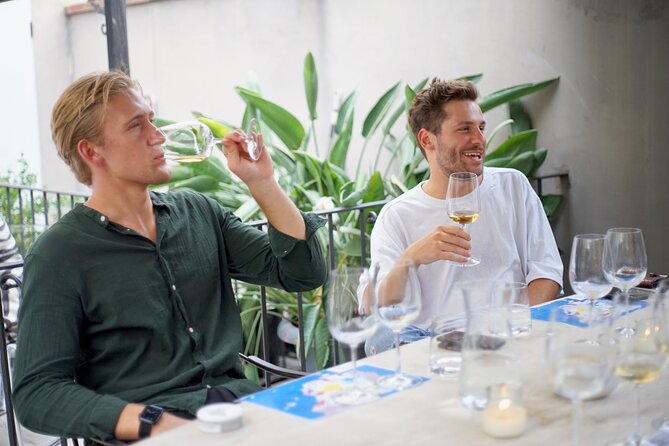
At $75.01 per person, this is not a cheap way to drink wine in Valencia. You can find less expensive glasses and bottles at local bars, so the price needs to be judged against the instruction, setting, food, and convenience.
I think the price can make sense if you want a guided introduction to Spanish wine rather than a casual drink. You are paying for a professional host, at least five wines, an aperitif, snacks, and a central meeting point. The English-language presentation also saves you from having to work through technical wine information in Spanish.
The value is weaker if your main goal is quantity or a full meal. Food portions may be small, and the group may feel crowded. If the wine service is rushed or the room is noisy, you may pay a premium without receiving the calm, detailed lesson you expected.
My advice is simple: book it for the sommelier-led comparison, not for the food. Think of the snacks as support for the tasting. If you would happily pay for an organized wine class and a social evening, the price is easier to justify. If you mainly want several generous pours, a wine bar may be better value.
Who will enjoy this Valencia wine tasting?
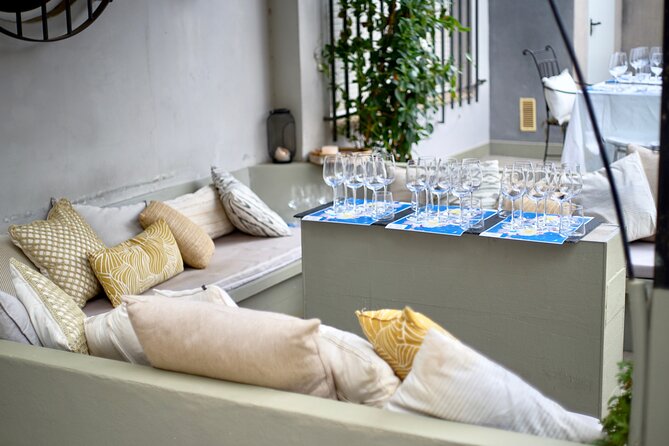
This experience suits you if you are new to Spanish wine and want someone to explain the basics without making the evening feel like school. It also works for a wine drinker who wants a broad look at Spanish regions rather than a single winery visit.
Solo visitors have a particularly good reason to consider it. The shared seating creates a natural way to meet people, and the two-hour format is long enough for conversation without taking over your whole evening.
Couples and small groups can enjoy it too, especially if you like learning together. You should be comfortable sharing a table and speaking with people you do not know.
I would be more cautious if you are seeking a formal, highly technical tasting with pristine glassware, carefully matched courses, and plenty of personal space. The group size can affect how well you hear Tristan, and the food is not substantial enough to replace dinner.
Location, arrival, and practical timing
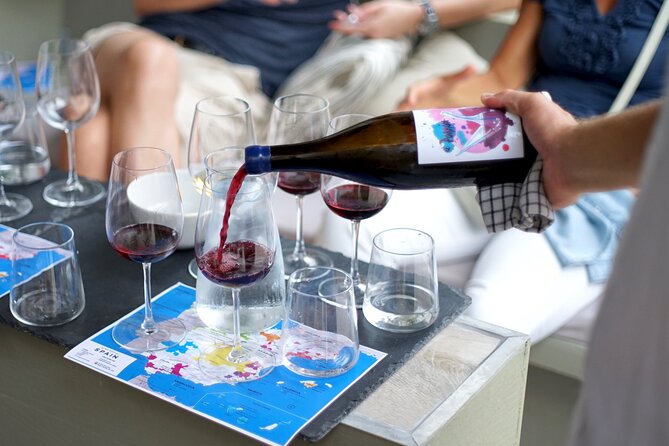
The meeting point is Carrer de Martí, 17, in L’Eixample, Valencia, with the activity ending at the same address. The venue is described as a top wine location in the heart of Valencia, and public transportation is nearby.
Arrive early, especially if you need to park. Finding a space may require driving around, parking farther away, or risking a ticket. Public transportation is the safer choice if it fits your plans.
The experience is offered in English, and confirmation is provided at booking. Mobile tickets make it easy to keep the details on your phone. Service animals are allowed.
Free cancellation is available if you cancel at least 24 hours before the 6 p.m. start. Changes or cancellations inside that window are not accepted for a refund. The event also depends on good weather and a minimum number of participants. If weather or low enrollment causes cancellation, you are offered another date or experience, or a full refund.
My recommendation for booking
I would book this if you want an accessible, social introduction to Spanish wine led by Tristan Van Doorn, and if the idea of comparing five wines sounds more appealing than simply ordering one at dinner. The central location and 6 p.m. start make it easy to fit into a Valencia itinerary.
I would skip it if you are expecting a full meal, a private table, or a small masterclass with flawless service details. For the best chance of a good experience, use public transportation, arrive early, and eat something beforehand.
At 4.9 out of 5 from 244 ratings, with 96 percent recommending it, the overall response is very strong. Still, the conflicting accounts about group size, food portions, and glassware are useful warnings. Book it for the wine selection and Tristan’s explanations, and you will have the right expectations.
FAQ
Where does the wine tasting begin?
It begins at Carrer de Martí, 17, in L’Eixample, Valencia, Spain.
What time does the experience start?
The tasting starts at 6 p.m.
How long does the wine tasting last?
The experience lasts approximately two hours and ends back at the meeting point.
How many wines will I taste?
You will taste at least five artisanal Spanish wines. The selection can include both white and red wines.
Is the tasting offered in English?
Yes. The experience is offered in English.
Is food included?
Yes. The experience includes Spanish snacks, typical tapas, and petit fours. The food is served as tasting accompaniments rather than a full dinner.
Can I attend alone?
Yes. The shared social setup can work well for solo visitors, who may be seated with other participants.
What happens if bad weather cancels the experience?
You will be offered a different date or experience, or a full refund. The activity requires good weather and a minimum number of participants.
More Food & Drink in Spain
- Barcelona: Tapas Walking Tour with Food, Wine, and History
★ 4.8 · 4,261 reviews - Sevilla Food Tour: Tapas, Wine, History & Traditions
★ 5.0 · 3,468 reviews - Barcelona: Food Walking Tour with Tapas and Wine
★ 4.9 · 2,180 reviews - Barcelona Tapas Walking Tour: Food, Wine & History
★ 4.5 · 1,928 reviews
More Wine Tastings in Spain
- Montserrat & Cogwheel Train, Gourmet Wine Tasting & Tapas/Lunch
★ 5.0 · 6,290 reviews - Madrid Tapas & Wine Tasting Walking Tour – Small Group Local Bars
★ 5.0 · 3,644 reviews - Toledo Tour & Vineyard Walk with Wine Tasting from Madrid
★ 5.0 · 2,546 reviews - Madrid: Tapas & Wine Tasting Tour with Local Guide
★ 4.8 · 2,171 reviews
Just added around Spain
- Bilbao Pintxo Tasting Paired With Spanish Wines★ 5.0 · 55 reviews
- Rioja wine region with visit to winery & Vitoria-Gasteiz★ 4.5 · 32 reviews
- Rioja & Txakoli Wine Tasting in Bilbao with a Local Sommelier★ 5.0 · 40 reviews
- La Rioja Boutique Wine Tour & Charming Lunch (From Bilbao)★ 5.0 · 62 reviews
- Rioja Wine Tour: 2 Wineries From Bilbao★ 5.0 · 111 reviews
- Basque Best Bites – #1 Food & Wine tour of Bilbao★ 5.0 · 268 reviews
- Complete winery experience: visit, tasting and traditional food★ 4.5 · 175 reviews
- 2 Wineries Small Group Tour with Free Hotel PickUp from Sitges★ 5.0 · 83 reviews
Wine Tours in Valencia, compared.

Valencia Old Town Tour with Wine & Tapas in 11th Century Historic Monument
Read our review →
Old Town Tour, Wine & Tapas in an 11th c. Monument
Read our review →
Paella Cooking Class, Wine Tasting & Central Market in Valencia
Read our review →
Small-Group Wine Tour from Valencia with Tastings Max 7
Read our review →Browse the lists this tour appears in