
REVIEW · SIENA
Small-Group Brunello di Montalcino Wine-Tasting Trip from Siena
Montalcino is best understood with a glass in your hand and the winemaker nearby. This full-day outing takes you from Siena to three wineries, where you taste Rosso and Brunello, see the cellars, and learn why the same Sangiovese grape can taste different from one hillside to the next. The homemade lunch at a family-run winery is the day’s emotional and culinary high point.
I like the small group of no more than eight, which keeps the minivan comfortable and gives you a real chance to ask questions. I also like the mix of wine, food, village time, and sights such as Sant’Antimo Abbey, rather than spending nine hours at tasting tables alone.
The main consideration is the length. This is about nine hours, and the day includes three tastings, lunch, drives, and several stops. If you prefer a short tasting close to Siena, this will feel like too much. If you want a full day in Brunello country, the pace makes sense.
Key points to know before you go
- Three wineries, three different moods: Expect small family producers, cellar visits, varied wines, and a final tasting at a larger operation.
- Lunch is part of the experience: Antipasti, local cold cuts and cheeses, bruschetta, pasta, and dessert are served with wine at a family-run winery.
- The guides shape the day: Guides including Mattia, Giorgia, Juliana, Paolo, and Emanuele are praised for combining wine expertise, local stories, and humor.
- You get more than wine: The day includes free time in Montalcino, a visit to Fortezza di Montalcino, and Sant’Antimo Abbey.
- Siena transport is simple: Meet at Piazza San Domenico at 9:30 a.m. and return to the same meeting point.
- The price covers a full day: At $217.67 per person, the cost includes transport, guiding, lunch, cellar visits, and tastings, but not hotel pickup.
Why this Montalcino day trip works
Brunello di Montalcino is not just a famous label. It is a wine tied closely to place, aging, family tradition, and the conditions on the hill where the grapes grow. That makes Montalcino worth seeing in person, especially if you want more than a quick pour at a wine bar in Siena.
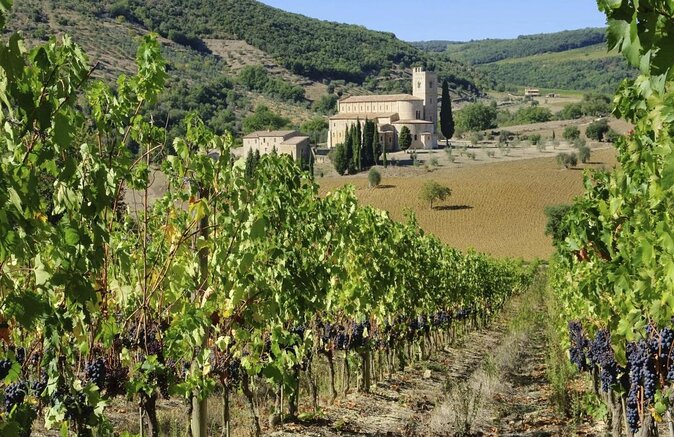
This trip gives you several ways into that story. You taste the wine, walk through vineyards, visit cellars, meet producers, and hear about aging and production. Between stops, your guide fills in the setting with stories about Siena, Montalcino, farming, and the rules that shape the region’s wines.
I especially like the balance between structured visits and breathing room. You are not rushed from one cellar door to the next. You have time in Montalcino itself, a proper meal, and a quiet architectural stop at Sant’Antimo.
The group size matters. With a maximum of eight people, the day feels more personal than a large coach excursion. Guides have room to remember names, include quieter people in the conversation, and adjust explanations to the group. Several guides, including Mattia and Emanuele, are also described as having direct winemaking experience, which can add useful detail when you ask about grapes, aging, or production.
More Wine Tours in Siena
- From Florence: San Gimignano, Siena, and Chianti Wine Tour
★ 4.5 · 3,762 reviews - From Siena: Chianti and Castles Tour with Wine Tastings
★ 4.6 · 631 reviews - Total Immersion Wine Tour in Chianti
★ 4.9 · 430 reviews
Meeting in Siena at 9:30 a.m.
The day begins at Piazza San Domenico, a practical central meeting point in Siena. There is no hotel pickup or drop-off, so you need to reach the piazza yourself and return there at the end.
That arrangement is worth noting if you are staying outside Siena’s center. It keeps the tour moving and avoids a long series of hotel pickups, but you should allow enough time to reach Piazza San Domenico before the 9:30 a.m. start.
You board an air-conditioned minivan with your guide and the rest of the small group. The drive toward Montalcino is part of the outing, not just a transfer. The hills, vineyards, and rural roads help you see why a wine tour here works better as a day trip than as a single tasting room visit.
Since alcohol is served throughout the day, the included vehicle is particularly useful. You can taste without worrying about driving, and the guide handles the roads between wineries and sights.
First winery: vineyards, cellars, and the first Brunello
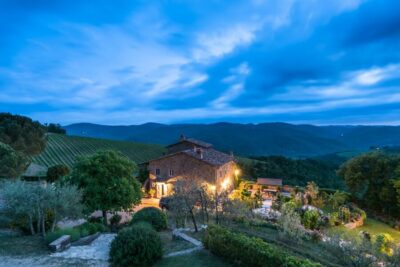
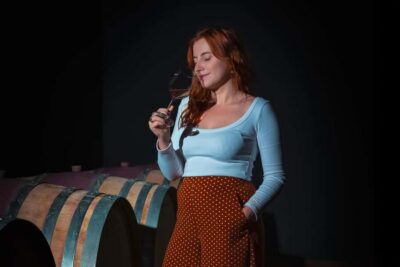
The first stop introduces you to the wine at its source. You walk among the vineyards, then visit the cellar before sitting down to taste Brunello di Montalcino and other local wines.
This order is helpful. You see the vines before discussing what reaches the bottle, then move inside to learn about production and storage. A good guide can connect the soil, the grape, the cellar, and the finished wine instead of treating each tasting as an isolated event.
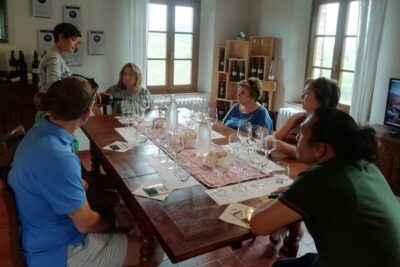
The tasting may include Rosso di Montalcino as well as Brunello. That comparison is valuable because it shows how wines from the same broad area can differ in style, aging, and price. You may also taste a table wine or other local selections, depending on the winery visited that day.
The first winery is described as small and family run, which gives the stop a more direct feel. Do not expect the polished, high-volume routine of a major wine attraction. You might instead get a closer look at the cellar and a more informal explanation from the people who make the wine.
Montalcino town and Fortezza views
After the first tasting, you have free time in Montalcino. This is a welcome change of pace. You can wander the streets, look into shops, enjoy views over the valley, or seek out another taste of Brunello on your own.
The itinerary also includes Fortezza di Montalcino, the town’s old fortress. The stop gives you a sense of Montalcino beyond its vineyards and tasting rooms. It is also a good chance to stretch your legs after time in the minivan.
Free time is useful, but it is not unlimited. Because the day continues to lunch and another winery, you should treat this as a short independent visit rather than a full town tour. Use it to get your bearings, take in the views, and enjoy the character of the town.
If you are mainly interested in wine, this pause keeps the day from becoming repetitive. If you want hours to shop or explore every lane, you may find the schedule too tight.
A few more wine days around Siena worth comparing
- Siena: Educational Wine Tour & Tasting
★ 5.0 · 203 reviews - Siena: Organic Winery Tour and Wine Tasting
★ 5.0 · 111 reviews - Siena: winery tour, wine tasting and lunch
★ 5.0 · 70 reviews - Siena: Tour and Wine Tasting in a Tuscan Private Castle
★ 4.9 · 50 reviews
The family winery lunch is the heart of the day
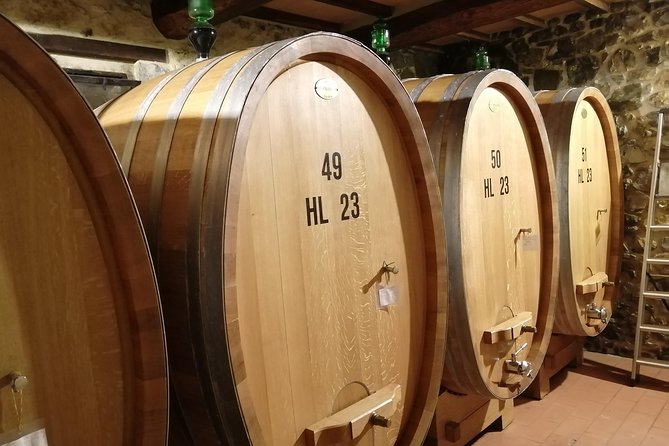
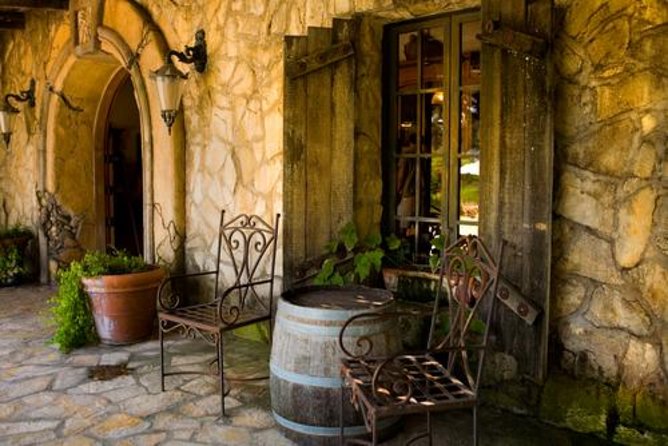
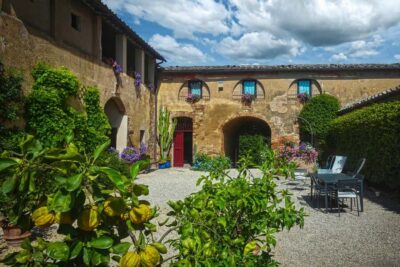
The second winery is where the experience becomes more personal. You meet the winemakers and sit down to a traditional Tuscan lunch, often served in the family setting rather than in a formal restaurant.
The meal begins with a traditional starter, typically local cold cuts, cheeses, and bruschetta with extra virgin olive oil. Toppings may include fresh tomatoes or olive pâté. The main course is local pasta such as tagliatelle, served with tomato sauce, meat sauce, pesto, or another regional preparation.
Dessert may be cake with coffee or almond biscuits with dessert wine. The meal is paired with local wines, so you get the classic Tuscan combination of simple food, good ingredients, and wine made nearby.
This is not a token lunch added to the schedule. It gives you a chance to see how wine fits into daily life in the region. Homemade pasta and food from the family kitchen feel more connected to Montalcino than a boxed meal or a stop at a generic restaurant.
The lunch also tends to be the most memorable part for people who want an authentic social experience. You sit with the group, talk with the hosts, and learn about the winery in a relaxed setting. Vegetarian requests have been accommodated in the past, with fresh pasta prepared separately, but you should communicate dietary needs when booking rather than assume every request can be handled on the day.
There is a practical downside: a substantial meal plus several tastings can catch up with you. Pace yourself early. You do not need to finish every pour, and the guide can explain what you are tasting even if you choose to sip lightly.
Sant’Antimo Abbey adds a quieter note
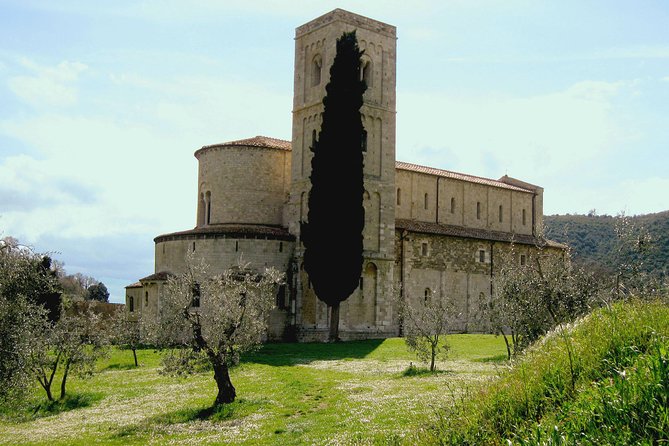
After lunch, the route continues to the ancient Benedictine Abbey of Sant’Antimo. This stop changes the mood from food and conversation to stone, silence, and religious architecture.
You go inside with your guide and hear about the abbey’s past. On some visits, monks may sing Gregorian chants, though this is occasional and should not be treated as guaranteed entertainment. Even without chanting, the setting offers a calm pause between winery visits.
Sant’Antimo is a smart addition to the day because it shows another side of the Montalcino area. Wine is the main reason for the trip, but the abbey places the vineyards within a much older cultural setting. You get a better sense of the area as a place where farming, religion, and local communities have shared the same hills for centuries.
The visit is not a separate guided religious tour with a long formal program. Think of it as a focused stop, with time to appreciate the building and its setting before returning to wine.
The final winery explains aging and production
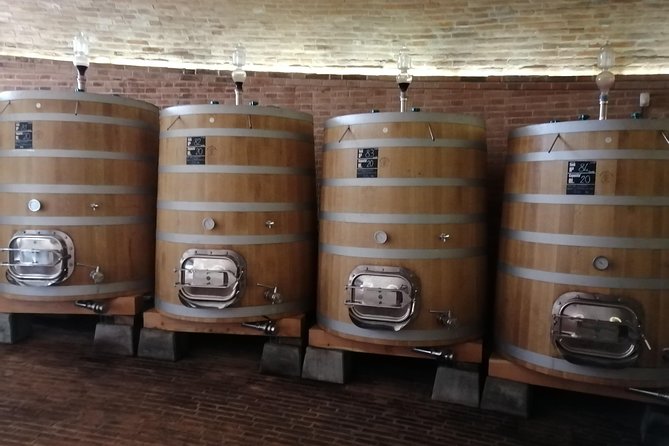
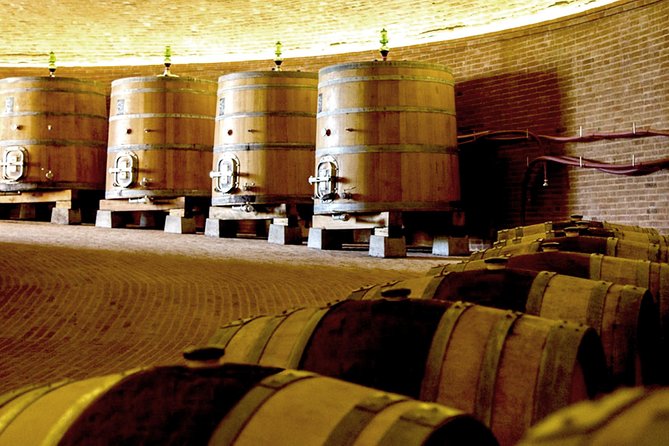
The third winery closes the tasting sequence with a more detailed look at how wine is made and aged. You learn about the production process, the role of the cellar, and the time required before Brunello reaches the market.
This stop may feel different from the first two. The earlier wineries are described as intimate family operations, while the final tasting can have a more standard winery format. That is not necessarily a weakness. It gives you a useful contrast between small-scale hospitality and a larger or more organized tasting operation.
By this point, you have already tasted several wines and heard the basic story. The final visit lets you compare what you have learned. Notice how the winery presents its wines, how the cellar is arranged, and how the tasting differs from the family lunch stop.
The day ends with a final tasting before the drive back to Siena. You return to Piazza San Domenico, usually after roughly nine hours on the road and at the wineries.
The guides are a major part of the value
A wine tour can succeed or fail based on the person in the front seat. Here, the guide is expected to handle driving, timing, wine instruction, local history, and group conversation.
The guides associated with this experience include Giorgia, Mattia, Emanuele, Juliana, Paolo, Guillermo, Sara, Daniele, and others. Their styles may differ, but the strongest pattern is clear: the best guides combine wine expertise with a sense of humor and make an effort to include everyone.
Mattia is described as a winemaker as well as an engaging guide. Emanuele is praised for remembering names and adding useful suggestions about Siena, Montalcino, and Florence. Giorgia and Juliana are singled out for explaining wine and local history in a lively way. Paolo is noted for answering detailed questions about winery families and local regulations.
You should still expect some variation because the guide is not fixed in the information provided. If you are hoping for a formal sommelier lecture, this may feel conversational. I see that as a benefit for most people, especially beginners who might be uncomfortable asking basic questions.
Is $217.67 a fair price?
At $217.67 per person, this is not a cheap tasting, but it covers far more than wine. The price includes a local guide, air-conditioned transport, three winery visits, cellar access, tastings, and a full lunch at a family-run winery.
You are also paying for the logistics of reaching Montalcino without renting a car or arranging a private driver. Add the abbey, town visit, and return transport, and the day offers solid value for anyone who wants to see the region from Siena.
The value is strongest for couples and small groups who would otherwise need to organize several separate reservations. It is less compelling if you only want to taste Brunello and do not care about the countryside, lunch, or historic stops.
The tour is commonly booked well in advance, with an average lead time of 61 days. That suggests you should not leave it until the last minute during a busy period, especially if your Siena dates are fixed.
Who should book this day?
I would choose this tour if you want an easy, full-day introduction to Montalcino and prefer having transport, tastings, lunch, and guiding arranged together. It suits wine beginners because the guides explain the basics, but it also gives experienced drinkers several producers and styles to compare.
It is a particularly good fit if you value small wineries, family hospitality, and food as much as the bottles themselves. The lunch, vineyard walk, and cellar visits provide context that a tasting room alone cannot offer.
You should think twice if you dislike group schedules, have limited mobility for walking through vineyards and historic sites, or want to spend most of the day independently. The tour is designed as a shared experience, and the nine-hour schedule leaves limited room for personal changes.
Most travelers can participate, and the vehicle is air-conditioned. Anyone under Italy’s legal drinking age of 18 will not be served alcohol.
Should you book it?
Book this if you want Brunello with a sense of place: vineyard walks, family-made food, small cellars, Montalcino views, and Sant’Antimo Abbey in one long day. The small group and strong guide element make it more personal than a standard coach excursion.
Skip it if you want a brief tasting, a private itinerary, or a slow day with no fixed timetable. For everyone else, the combination of three wineries and a homemade Tuscan lunch makes the $217.67 fare a sensible way to reach Montalcino from Siena without driving.
FAQ
Where does the tour start?
The tour starts at Piazza San Domenico, Piazza S. Domenico, 53100 Siena, Italy.
What time does the tour begin?
The scheduled start time is 9:30 a.m.
Where does the tour end?
The activity ends back at the starting meeting point in Siena.
How long does the experience last?
The day lasts approximately nine hours.
How many people can join the tour?
The tour has a maximum of eight travelers.
Is hotel pickup included?
No. Hotel pickup and drop-off are not included. You need to reach Piazza San Domenico for the start and return there at the end.
What is included in the price?
The price includes a local guide, an air-conditioned vehicle, lunch at a family-run winery, winery cellar visits, and wine tastings.
What food is served at lunch?
The sample meal includes a traditional Tuscan starter with cold cuts, cheeses, and bruschetta, followed by pasta with sauce. Dessert may be cake with coffee or almond biscuits with dessert wine.
Can people under 18 drink wine on the tour?
No. Customers who have not reached Italy’s legal drinking age of 18 will not be served alcohol.
What is the cancellation policy?
You can cancel up to 24 hours before the experience begins for a full refund. Cancellations or changes made less than 24 hours before the start time are not accepted for a refund. If the operator cancels because the minimum number of participants is not reached, you will be offered another date or experience, or a full refund.
Just added around Siena
- Siena: Tour and Wine Tasting in a Tuscan Private Castle★ 4.9 · 50 reviews
- Siena: winery tour, wine tasting and lunch★ 5.0 · 70 reviews
- Siena: Educational Wine Tour & Tasting★ 5.0 · 203 reviews
- Siena: Balloon Flight Over Tuscany with a Glass of Wine★ 4.7 · 53 reviews
- Siena: Pasta and Tiramisu Cooking Class with Wine★ 4.8 · 274 reviews
- Siena: Organic Winery Tour and Wine Tasting★ 5.0 · 111 reviews
- From Siena: Tuscany Hills Wine Tour★ 4.1 · 323 reviews
- From Siena: Chianti Wine Tour with Lunch★ 5.0 · 34 reviews
Wine Tours in Siena, compared.
Brunello di Montalcino Guided Wine Tour W/ Lunch
Read our review →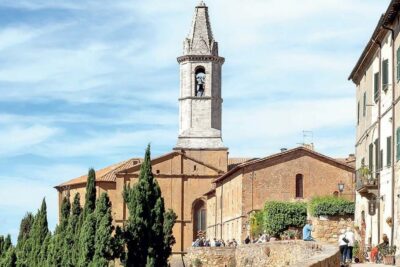
Browse the lists this tour appears in