
REVIEW · SPAIN
Sevilla Food Tour: Tapas, Wine, History & Traditions
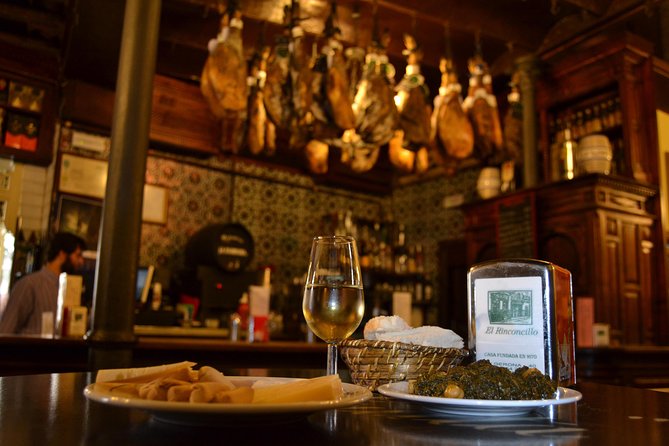
Seville’s food culture makes the most sense one small bar at a time. This 3.5-hour walking tour takes you from the Setas de Sevilla through Alfalfa, the old center, and Santa Cruz, with stops for chicharrones, montaíto, carrillada, spinach with chickpeas, meatballs, sweets, and four local wines.
I like the way food is tied to place here. You do not just eat a tapa, you hear why it belongs in Seville, then walk through the streets where the city’s customs took shape. I also like the small group limit of 12 people, which makes conversation with your guide much easier.
The main caution is that this is traditional Andalusian food, not a light or highly flexible tasting menu. Some dishes are salty, meaty, or fried, and the tour is not recommended for vegans or people with celiac disease because of gluten cross-contamination.
Key points to know before booking
- Four food stops across Seville’s old quarters: The route links local bars in Alfalfa and Santa Cruz with a walk through the historic center.
- A full meal, not just a nibble: The included tastings are described as enough for lunch or dinner, with several dishes at each stop.
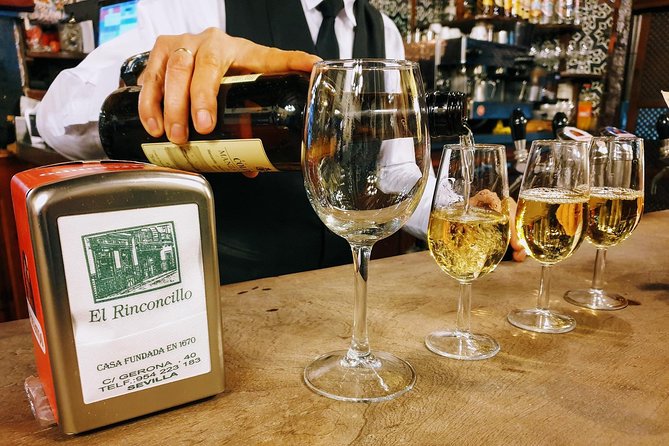
- Four wines included: You can choose beer or soft drinks instead, and the tastings may include regional styles such as PX and orange wine.
- Guides make or break the evening: Guides such as Alejandro, Pilar, Jeff, Stephanie, Sasha, Dorota, and Ella have led this experience, often adding practical food and city advice.
- Small-group format: The maximum is 12 people, a useful size for crowded old-town bars and easy conversation.
- Best for flexible eaters: Tell the operator about dietary needs in advance, but do not book this as a safe gluten-free or vegan experience.
Why this food walk works well in Seville
The best feature is the route itself. You move through Seville on foot instead of being driven between restaurants, so the meal comes with a steady look at the city. The meeting point is the white eighteenth-century fountain at Plaza de la Encarnación, beside Metropol Parasol, the enormous wooden structure known locally as Las Setas.
That is a handy place to begin. The plaza is easy to recognize, and the tour starts near public transportation in the old center. From there, the route heads into streets where the city’s everyday bar culture matters more than grand dining rooms.
I like this kind of introduction if you have just arrived in Seville. The walk helps you get your bearings, and the guide can point out places to return to later. Several guides, including Stephanie and Jeff, have also given practical suggestions for the rest of a stay, from places to eat to local cultural experiences.
The group size matters, too. Twelve is not private, but it is small enough for the guide to answer questions and keep the group together in narrow streets. It also gives the evening a social feel without turning it into a large procession.
More wine and tapas evenings in Spain:
- Montserrat Half-Day Tour with Tapas and Gourmet Wines
★ 5.0 · 7,359 reviews - Montserrat & Cogwheel Train, Gourmet Wine Tasting & Tapas/Lunch
★ 5.0 · 6,290 reviews - Barcelona Tapas and Wine Experience Small-Group Walking Tour
★ 5.0 · 5,804 reviews
Starting beside Las Setas at Plaza de la Encarnación
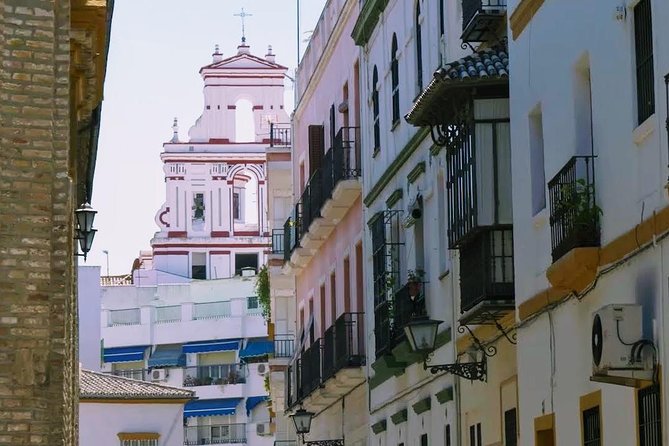
Your guide meets you at Fuente Pública Siglo XVIII, the white monumental fountain beside Metropol Parasol. The meeting point is free to enter, and there is no private transportation included, so plan to arrive on foot or by public transit.
The Setas are an easy landmark, but give yourself time to find the fountain rather than simply heading toward the wooden structure. Your confirmation should provide the meeting details, and the tour is offered in English.
The opening stop is brief, but it sets up the evening. You are in the Casco Antiguo, Seville’s old center, where modern city life and older traditions sit side by side. A good guide uses this first moment to explain how tapas fit into daily life rather than treating them as a list of dishes.
The tone depends on who leads your group. Alejandro has been praised for linking local history with food, while Pilar has been especially strong on wine and local customs. Other guides named in connection with the experience include Katerina, Ferran, Antonietta, Agata, Sasha, and Gabriella, known as Ella.
Los Soportales and the taste of old-style Seville
The first food stop is Los Soportales, where you taste typical dishes such as chicharrones and montaíto. These are the sort of compact, hearty foods that explain why Seville’s tapas tradition is tied to neighborhood bars rather than formal restaurants.
The food is served with Cruzcampo beer straight from the barrel, or you can choose wine instead. That choice gives you an early sense of how the tour works: the drink is part of the local setting, not an afterthought.
The tasting may also include dishes such as pringá sandwich, Cádiz-style chicharrones, marinated cazón fish, Spanish omelet with whisky sauce, cold cuts, and cheese from Ronda. The exact selection can change with seasonality and partner availability, so do not expect a fixed menu.
This stop may feel more substantial than the first few bites of a standard tasting tour. At the same time, it is traditional bar food, which means rich meats, bread, salt, and sauces appear often. If you prefer delicate cooking or small portions, set your expectations accordingly.
Plaza del Pan and the flamenco dress tradition
After the first tasting, the route pauses at Plaza del Pan, also called Plaza Jesús de la Pasión. The stop includes a look at one of Seville’s flamenco dress shops and the traditional traje de flamenca worn during Feria and other local celebrations.
This is a useful cultural pause because the dress is not just a costume for stage performances. It is a visible part of Andalusian identity during festivals. The short visit also breaks up the food stops and gives you a chance to keep walking without rushing straight from one table to the next.
Do not expect a full flamenco show here. The value is in seeing a local tradition connected to the city’s calendar and public life. Some guides bring extra interest to these details. Cate, for example, has experience with flamenco culture and has been able to suggest an offbeat flamenco venue after the tour when asked.
A few more wine days around Spain worth comparing
- Barcelona: Tapas Walking Tour with Food, Wine, and History
★ 4.8 · 4,261 reviews - Madrid Tapas & Wine Tasting Walking Tour – Small Group Local Bars
★ 5.0 · 3,644 reviews - Toledo Tour & Vineyard Walk with Wine Tasting from Madrid
★ 5.0 · 2,546 reviews - Barcelona: Food Walking Tour with Tapas and Wine
★ 4.9 · 2,180 reviews
Alfalfa, tostas, montaditos, and regional wine
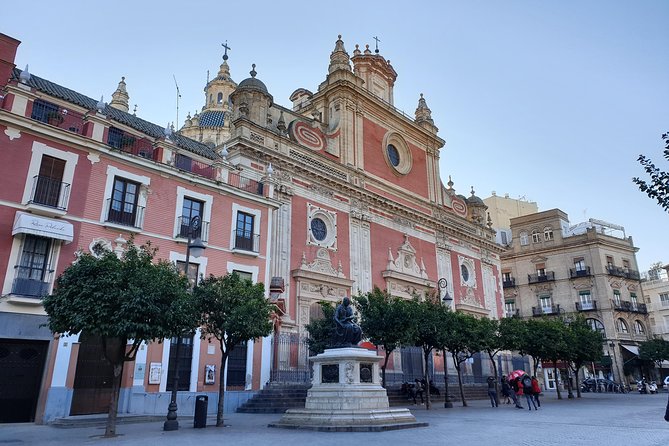
Alfalfa has medieval roots and remains one of the old center’s lively meeting areas. Its narrow cobbled streets and small plazas make it a natural setting for a food walk, though the uneven paving means comfortable shoes are a smart choice.
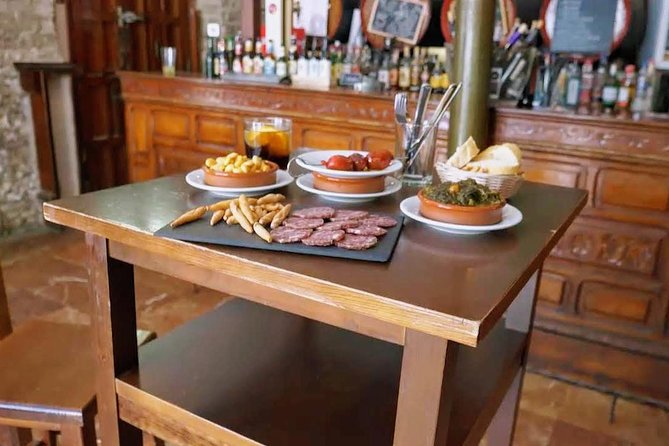
Here you visit a small local tavern with a short selection of tostas, montaditos, and regional wines. Tostas are topped pieces of bread, while montaditos are small sandwiches. They may look simple, but they are central to the casual food culture you are exploring.
The atmosphere is part of the stop. This is not presented as a polished tasting room. You are there for a neighborhood bar, warm service, and a compact menu that changes with what is available.
Wine drinkers get the most from this part of the tour. The tasting can introduce you to styles you might not order alone, including the orange wine praised by several guests and the sweet Pedro Ximénez served later. The guide explains what is in your glass and how it fits local drinking habits.
Because the partner venues and dishes can change, this stop is not a guarantee of one exact plate. That flexibility is useful for a food business working with small local bars, but it also means your experience may differ from a friend’s.
Walking through Seville’s historic center
The route includes a short walk through the Centro Histórico de Sevilla. On paper, ten minutes may not sound like much, but it gives the guide a chance to connect the dishes with the streets around you.
I value these transitions more than I expect to. A food tour can become a series of tables, with no sense of the city between them. Here, the walking sections show you how close the old neighborhoods are and help you understand the rhythm of a Sevillian evening.
Your guide may talk about food customs, local football, festivals, or the way people use bars as social spaces. The best guides keep the historical material tied to what you are seeing, rather than turning the meal into a lecture.
Santa Maria la Blanca and grandmother-style cooking
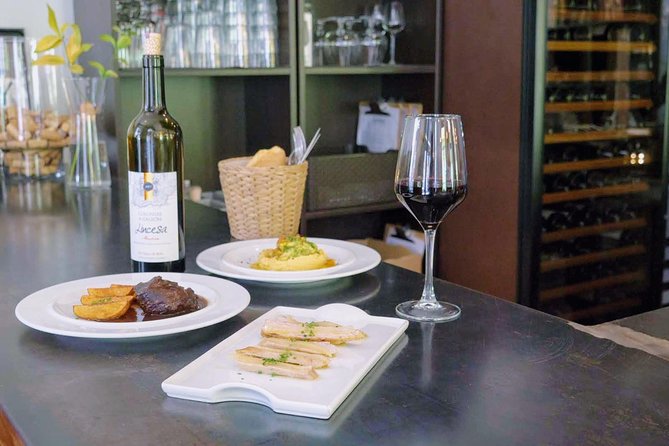
Near Iglesia de Santa Maria la Blanca, the group stops at a classic neighborhood bar known for home-style cooking. The planned dishes are slow-cooked carrillada and espinacas con garbanzos, spinach cooked with chickpeas.
Carrillada is a tender, slow-cooked meat dish, often served with a rich sauce. The spinach and chickpeas provide a more vegetable-focused taste of Andalusian cooking, though this is not a vegan course. Together, the dishes show the contrast between long-simmered meat and humble legume-based food.
This stop also brings in Seville’s football culture. You hear about the city’s oldest Betis supporters’ club, a small social detail that helps explain how local identity works beyond monuments and museums. Even if you do not follow football, it gives you a glimpse into neighborhood loyalties.
The food and tastings can vary by season and venue availability. If you have dietary restrictions, tell the operator before the tour. A vegetarian guest has described receiving suitable dishes, but the published conditions do not promise a vegetarian menu, and vegan guests are specifically discouraged from booking.
Santa Cruz, family food, and the final sweet bite
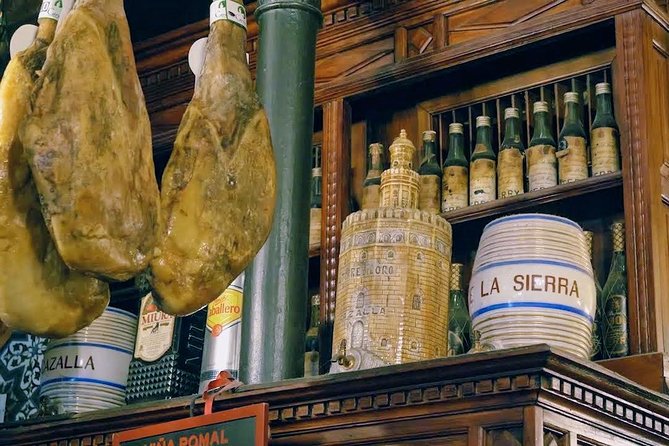
The last main stop takes place in Barrio Santa Cruz, the old Jewish quarter. You visit a family-owned tavern in a traditional Sevillian house with an interior patio, a setting that feels distinctly tied to the neighborhood.
Here you can expect albóndigas, or meatballs, followed by pestiños and a glass of PX. Pestiños are traditional sweet pastries, while Pedro Ximénez is a sweet fortified wine that works well as a finish to a savory evening.
This final stop lasts about an hour, so it is not just a quick plate and goodbye. It gives the group time to sit, talk, and ask the guide about Seville. By this point, the food should amount to a complete lunch or dinner rather than a few decorative samples.
The end point is on Calle Santa María la Blanca, near the Santa Cruz area. That is convenient if you want to continue your evening in the old quarter, but you should remember that the tour does not provide a return transfer.
What the four wines add to the experience
Four wines are included in the price, with beer or soft drinks available instead. The tastings give the evening structure, since each bar has its own food and drink setting.
You may encounter local wines, orange wine, or PX, depending on the day’s plan. The guide’s role is important here. Pilar is specifically associated with helping people understand Seville’s wine culture, and one guest credited her with turning a first taste of sherry into a new interest.
The published information consistently describes four wines, while some individual accounts refer to five glasses. I would plan around four included wines and treat any additional pour as uncertain. You can also choose beer or soft drinks if you do not want alcohol.
The drinks are not large pours designed for heavy drinking. One criticism was that the drinks felt small, while another person found the alcohol and food too heavy. That contrast is a useful warning: the tour is about sampling and conversation, not a night of full-size drinks.
Food quality, portions, and dietary limits
The included food is intended to be enough for lunch or dinner. You will try many different items, but the exact balance depends on the venues and the day. Some dishes are generous and filling, while others are small bar portions.
I would book this for someone who wants traditional Andalusian flavors and enjoys trying meat, fish, bread, cheese, sauces, and sweets. I would not book it for someone seeking a carefully controlled diet, a vegan meal, or a gluten-free experience.
The operator warns about gluten cross-contamination, so people with celiac disease should not take this tour. You should report other dietary restrictions before arrival, but notification is not the same as a guarantee of a fully adapted menu.
One useful strength is the range of food. You are not eating the same style of tapa four times. The route moves from pork and sandwiches to fish, cheese, spinach, chickpeas, slow-cooked meat, meatballs, pastries, and sweet wine.
The weakness is that traditional food can be oily, salty, or heavy. If you prefer mild flavors or modern small plates, you may find some stops ordinary. The tour succeeds best when you value local habits over restaurant polish.
Guide quality and the social side
This experience depends heavily on the guide. The strongest guides combine city knowledge with a relaxed manner, so you learn without feeling trapped in a history class.
Alejandro has been praised for connecting Seville’s past to the food on the table. Jeff is associated with clear explanations, practical recommendations, and a warm style. Stephanie has been particularly good at helping people understand what to order and where to go later.
Other named guides include Dorota, Ella, Kati, Ferran, Antonietta, Agata, Sasha, and Pilar. Their styles may differ, but the repeated strengths are easy to identify: food explanations, local customs, history, and attention to the group.
You will also eat with people you did not arrive with. That can be a major part of the fun, especially since the group is capped at 12. If you prefer a quiet private dinner, this is not the right format. If you like swapping travel stories over shared plates, it fits well.
Is $83.44 a good value?
At $83.44 per person, the price is not cheap for a walking meal, but it covers about three and a half hours, several food stops, four wines or alternative drinks, a local guide, and a dining guide with suggestions for other bars and restaurants.
The value depends on how you use it. If you would otherwise spend an evening ordering random tapas and drinks without knowing what you are eating, the tour gives you a useful framework. You also get an orientation to several old neighborhoods and a list of places to try later.
It is less compelling if your main goal is maximum food quantity. One person found the portions small and the food mediocre compared with other tapas in Seville. That criticism is fair to keep in mind, since the tour price includes the guide and organization as much as the ingredients.
I would schedule it early in your stay. The route helps you learn how to order, introduces dishes you can seek out later, and gives you a better sense of where the old center fits together.
Practical details that matter
The tour is offered in English, uses a mobile ticket, and confirmation is provided when you book. Most people can participate, but you should be ready to walk between stops on old streets and stand or sit in local bars.
The meeting point is at Fuente Pública Siglo XVIII, beside Metropol Parasol in Plaza de la Encarnación. The tour ends on Calle Santa María la Blanca in Santa Cruz, so no transport is needed between the start and finish.
Seasonality and partner availability can change the stops and tastings. That is normal for a tour built around working neighborhood bars, but it means you should focus on the overall style rather than expecting a fixed restaurant menu.
Free cancellation is available up to 24 hours before the start time. Cancellations or changes made within 24 hours are not refunded, and the operator may offer a new date or a full refund if the minimum group size is not met.
Should you book the Seville Food Tour?
I would book this tour if you want a social evening built around traditional food, local wine, and neighborhood history. It is especially useful on your first or second day in Seville, when a guide can help you understand the city and point you toward places for the rest of your visit.
I would skip it if you need strict dietary control, want a vegan menu, or care more about cutting-edge cooking than old-style tapas. The food can be heavy, and the exact dishes vary.
For the right eater, the appeal is clear: four bars, a walk through Seville’s old quarters, local drinks, flamenco traditions, football culture, and enough food to replace dinner. Book it for the guide and the access to local bars, not simply for the amount on the plate.
FAQ
How long does the Seville food tour last?
The tour lasts approximately 3 hours and 30 minutes.
How much does the tour cost?
The listed price is $83.44 per person.
Where does the tour begin?
It begins at Fuente Pública Siglo XVIII in Plaza de la Encarnación, beside Metropol Parasol, also called Las Setas de Sevilla.
Where does the tour end?
It ends on Calle Santa María la Blanca in the Santa Cruz area of Seville.
How many people can join the tour?
The maximum group size is 12 people.
How many wines are included?
Four wines are included. Beer or soft drinks can be chosen instead.
Is enough food provided for a full meal?
The included food tastings are described as enough for lunch or dinner.
Is the tour suitable for people with celiac disease?
No. The tour is not recommended for people with celiac disease because of the risk of gluten cross-contamination.
Can I cancel for a full refund?
Yes. You can cancel at least 24 hours before the start time for a full refund. Cancellations within 24 hours are not refunded.
More Historical Tours in Spain
- Valencia Old Town Tour with Wine & Tapas in 11th Century Historic Monument
★ 5.0 · 3,234 reviews - Ultimate Seville Tapas, Wine & History Small Group Tour
★ 5.0 · 1,766 reviews - Madrid Historic Centre Food Tour with Authentic Tapas & Wines
★ 5.0 · 814 reviews - Savor Spain: Food, Wine, History & Culture Small Group Tour in Old Barcelona
★ 5.0 · 140 reviews
More Food in Spain
- Barcelona Tapas Walking Tour: Food, Wine & History
★ 4.5 · 1,928 reviews - Barcelona Gothic Quarter Tapas & Taverns Food & Wine Tour
★ 5.0 · 1,470 reviews - Madrid Ultimate Spanish Cuisine Food Tour
★ 5.0 · 1,010 reviews - Madrid: Food & Wine Tour with 10 Tapas & 4 Drinks Included
★ 4.9 · 984 reviews
Just added around Spain
- Bilbao Pintxo Tasting Paired With Spanish Wines★ 5.0 · 55 reviews
- Rioja wine region with visit to winery & Vitoria-Gasteiz★ 4.5 · 32 reviews
- La Rioja Boutique Wine Tour & Charming Lunch (From Bilbao)★ 5.0 · 62 reviews
- Rioja Wine Tour: 2 Wineries From Bilbao★ 5.0 · 111 reviews
- Rioja & Txakoli Wine Tasting in Bilbao with a Local Sommelier★ 5.0 · 40 reviews
- Basque Best Bites – #1 Food & Wine tour of Bilbao★ 5.0 · 268 reviews
- Complete winery experience: visit, tasting and traditional food★ 4.5 · 175 reviews
- 2 Wineries Small Group Tour with Free Hotel PickUp from Sitges★ 5.0 · 83 reviews
Wine Tours in Spain, compared.

Montserrat Half-Day Tour with Tapas and Gourmet Wines
Read our review →
Montserrat & Cogwheel Train, Gourmet Wine Tasting & Tapas/Lunch
Read our review →
Barcelona Tapas and Wine Experience Small-Group Walking Tour
Read our review →
Montserrat, Cogwheel, Black Madonna & Winery Tour
Read our review →
Montserrat with Black Madonna & Medieval Winery with Tapas/Lunch
Read our review →
Tapas Walking Tour with Food, Wine, and History
Read our review →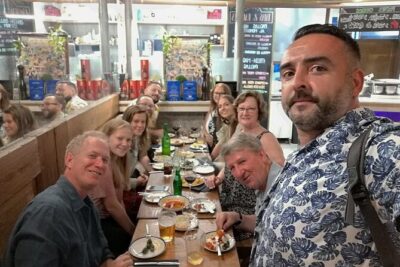
Madrid Tapas & Wine Tasting Walking Tour – Small Group Local Bars
Read our review →
Valencia Old Town Tour with Wine & Tapas in 11th Century Historic Monument
Read our review →Browse the lists this tour appears in