
REVIEW · MADRID
Madrid Countryside Wineries Guided Tour with Wine Tasting
Madrid’s wine country begins surprisingly close to the city. In about 30 kilometers, the apartment blocks give way to vineyards, old towns, and the Tagus River Valley. This six-hour outing takes you to three wineries in the Vinos de Madrid appellation, with more than 10 generous tastings and enough cheese, Iberian ham, and hot regional dishes to serve as lunch.
I like the mix of places: one modern organic boutique winery, one family operation, and one old cellar with clay fermentation jars and centuries-old caves. I also like the guides, especially Ismael, Antonio, Muna, and Enrique, who bring humor and clear explanations to the day. The main drawback is that the wineries change with availability, and the group can reach 20 people, so this is not always the tiny van outing you may picture.
Key details to know before booking
- Three very different wineries: You might visit Señorío de Val Azul, Bodega del Nero, and Bodegas Jesús Díaz e Hijos, though the exact mix can change.
- At least nine wines, often more than 10: Expect local white and red grapes, including malvar and tempranillo.
- A real lunch substitute: Cheese, Iberian products, tapas, and regional hot dishes are served at the wineries.
- A short escape from Madrid: The first wine country stop is roughly 30 kilometers from the capital.
- A guide-led day: English and Spanish support is provided, with guides such as Ismael, Antonio, Muna, and Enrique frequently leading the visits.
- Plan for a prompt departure: Meet at 9:30 a.m. outside the café at Hotel Claridge, near Conde de Casal Metro station.
Why Madrid’s nearby wine country is worth your morning
Madrid is not usually the first Spanish city that comes to mind for wine. Rioja, Ribera del Duero, and Priorat tend to get the attention. Yet the Vinos de Madrid designation covers a serious wine-producing area with centuries of work behind it.
The region’s vineyards sit around river valleys and the southern foothills of the Sierra de Guadarrama. Rivers including the Manzanares, Tajuña, Jarama, Henares, and Tagus helped shape fertile growing areas. Wine was made here long before Madrid became Spain’s capital, and local producers supplied the expanding city for generations.
That background matters because this tour is not simply a series of tastings in polished visitor centers. The day is built around seeing different ways of making wine. You may move from an organic vineyard planted around a small winery to old clay vessels and underground caves. That contrast gives the tour its purpose.
You will taste tempranillo reds, usually full-bodied and familiar to anyone who knows Rioja or Ribera del Duero. You will also encounter malvar, a local white grape with fresh, fruity, tangy character. The exact bottles depend on the wineries open that day, but the point is to show you what Madrid’s own wine region offers.
More Wine Tours in Madrid
- Madrid Tapas & Wine Tasting Walking Tour – Small Group Local Bars
★ 5.0 · 3,644 reviews - Toledo Tour & Vineyard Walk with Wine Tasting from Madrid
★ 5.0 · 2,546 reviews - Madrid: Tapas & Wine Tasting Tour with Local Guide
★ 4.8 · 2,171 reviews
Starting at Conde de Casal
The meeting point is at the front door of the café at Hotel Claridge, Plaza del Conde de Casal, 6. Conde de Casal station on Metro Line 6 is the closest stop, and the area is served by public transportation.
Arrive early. The minibus leaves at 9:30 a.m. and does not wait for late arrivals. The café facilities are reserved for café customers, so do not count on using it as a comfortable waiting room or breakfast stop. A strong breakfast is a smart move, since you will be tasting throughout the day.
Give yourself 10 to 20 minutes more than a map app suggests. The operator recommends taking a regular taxi rather than relying on Uber for this early departure. That advice is practical: missing the vehicle can mean paying extra to catch up, or losing the tour altogether.
The group limit is 20 people, with an average closer to eight. If the booking is full, transportation may be a minibus rather than a small van. One useful point from the experience is that even a larger group can remain comfortable, but the feel changes. A group of eight allows easy conversation with the guide and winemakers. A group of 15 to 20 feels more social and less intimate.
The drive from Madrid to Vinos de Madrid
The road out of Madrid is part of the change of pace. In a short time, the city gives way to open fields, vineyards, historic towns, and views toward the mountain perimeter.
Your guide explains the area’s wine traditions on the way. Guides such as Ismael and Antonio are praised for making technical subjects easy to follow, while Muna and Enrique are also noted for their clear explanations of Madrid wine. The best part of this format is that you can ask questions as the day unfolds, rather than trying to make sense of each winery on your own.
The journey is short enough to avoid the fatigue of a distant wine region. You spend the day tasting and talking rather than sitting in a coach for hours. At the same time, the countryside is far enough from Madrid to feel like a proper day outside the city.
Señorío de Val Azul and the organic vineyard
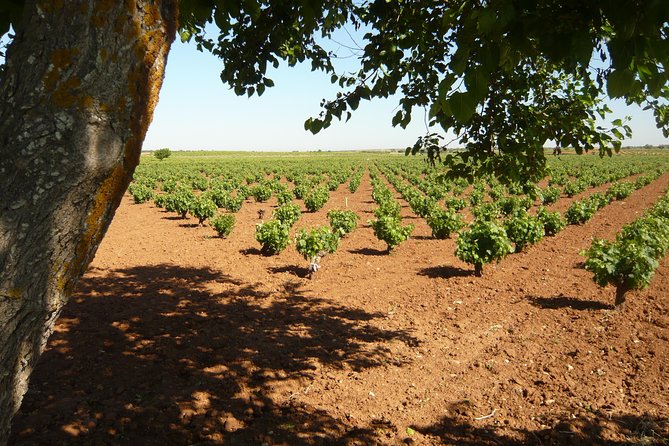
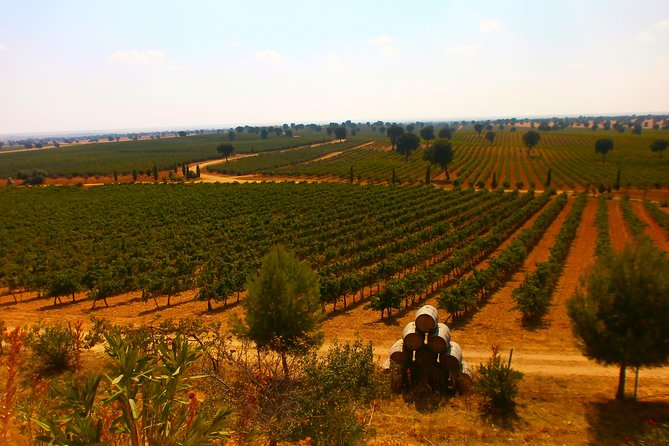
A possible first stop is Señorío de Val Azul, a boutique winery about 30 kilometers from Madrid. Its own organic vineyard surrounds the winery, so you get a direct look at the connection between the vines and the finished wine.
This is a useful opening visit because it introduces the modern side of Madrid winemaking. You can expect an explanation of the grapes, production choices, and the work behind the bottles. The setting also makes the region’s convenience clear. You are close to Madrid, yet the surroundings feel removed from the capital.
The tasting here helps set your palate for the rest of the day. You may sample local whites and reds, with tempranillo likely to play a role among the reds. Pairings begin early, often with cheese or Iberian specialties.
Do not expect a vast commercial winery with a long public tour route. The appeal is its smaller scale and direct connection to its vineyard. If you prefer famous estates with elaborate architecture and large tasting rooms, this may feel modest. If you want a more personal introduction to a working regional producer, it fits the bill.
More wineries worth an afternoon in Madrid:
- From Madrid: Toledo Guided Tour & Winery Visit with Tasting
★ 4.8 · 313 reviews - Madrid Region Wineries Guided Tour with Wine Tastings
★ 4.9 · 222 reviews - Madrid: Toledo Day Trip with Winery Visit and Wine Tasting
★ 4.4 · 177 reviews - From Madrid: Alcalá de Henares, Winery Tour & Wine Tasting
★ 4.4 · 63 reviews
Bodega del Nero and Madrid’s family wine tradition
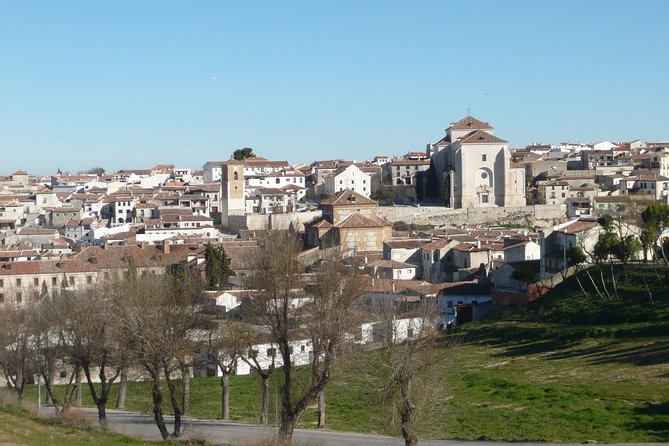
The second winery visit takes you to another Madrid-area town and adds more context about the Vinos de Madrid designation. The guide and winery staff explain the production process while you taste further examples from the region.
Bodega del Nero helps show how Madrid’s wine industry continues a much older tradition. The area around the riverbanks has supplied wine to the capital for hundreds of years. That history is not just a date on a sign. It explains why small family operations remain part of the region’s identity.
This stop is also where the day can become more social. The tastings are generous, and the food helps keep the wine from becoming an empty-stomach exercise. Expect cheese, Iberian products, and possibly warm regional dishes, depending on the winery’s offering.
The exact order and selection can change. That flexibility is worth remembering if you have your heart set on one particular bottle or cellar. The operator chooses from available wineries, and the goal is to present a mix of traditional and contemporary methods.
Bodegas Jesús Díaz e Hijos and the old clay jars
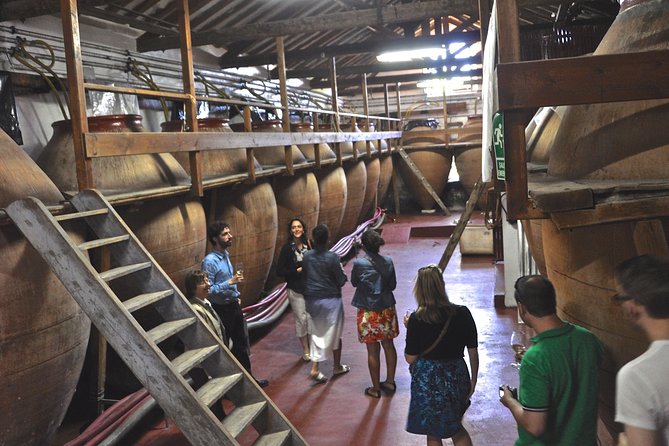
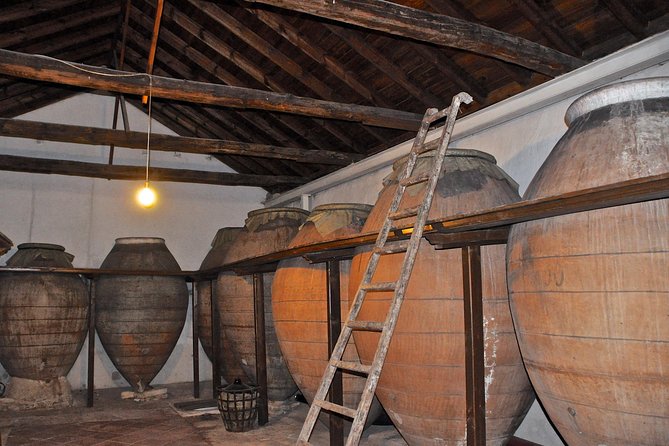
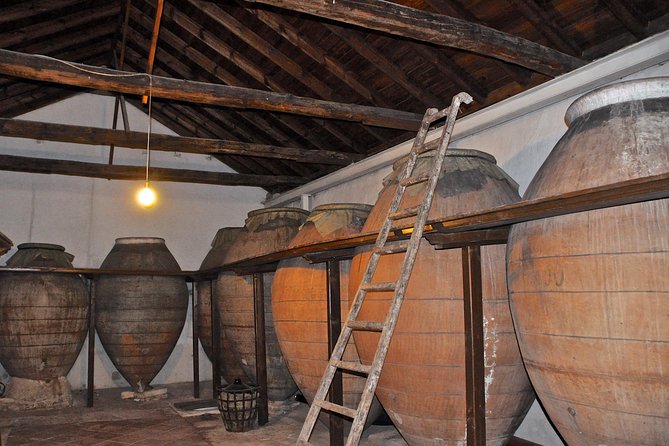
The third possible stop is Bodegas Jesús Díaz e Hijos in Colmenar de Oreja. This is the most traditional visit in the advertised combination and one of the day’s most distinctive stops.
The winery occupies an old Franciscan convent and has been making wine for more than a century. Production continues in large clay jars, an old local method that gives you a physical sense of how wine was made before stainless steel tanks became standard.
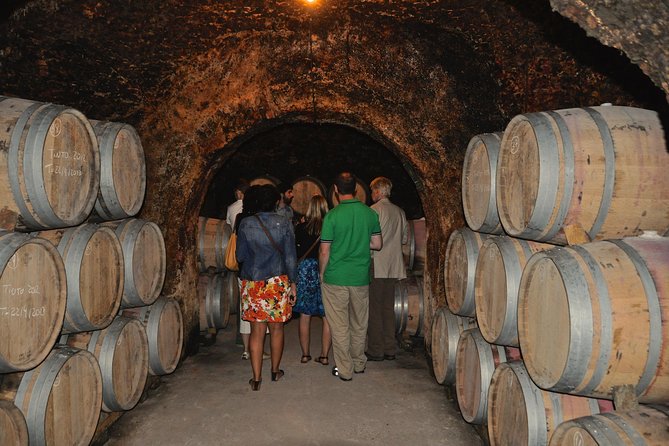
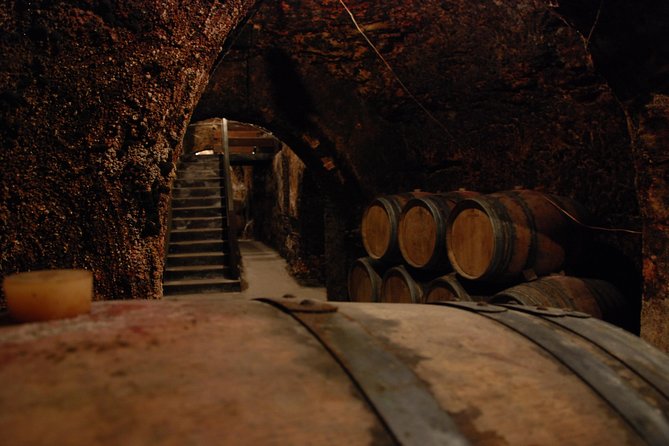
You also visit the centuries-old caves where the wine rests. The caves are cool, so bring a warm layer even on a sunny day. This is one of those small details that can make the difference between enjoying a cellar visit and wishing you had packed a sweater.
The cave visit is especially valuable if you have already seen the modern side of production earlier in the day. You can compare machinery, organic vineyards, clay vessels, and underground storage rather than hearing the same explanation three times.
It is also the stop most likely to appeal to visitors who care about continuity between generations. This is a working family tradition, not a reconstructed museum display. The wine rests in a setting shaped by local materials, local climate, and long practice.
What you eat with the wine
The tour does not include a formal restaurant lunch, but the food served at the wineries is intended to be enough for lunch. You may receive cheese, Iberian ham, other Iberian products, tapas, and regional hot dishes.
That arrangement works well for a wine day. Small plates arrive alongside the tasting, so you can compare how the food affects each wine. It also keeps the schedule moving. You are not spending an hour in a separate restaurant when the wineries themselves provide the meal.
Still, expectations matter. If you want a seated, multi-course lunch with a printed menu, this is not that experience. Think of it as a succession of substantial snacks and regional dishes spread across three stops.
The portions are described as generous, and the tastings can be closer to small glasses than tiny samples. Eat breakfast before you leave, but do not worry that you will be drinking without food.
How much wine will you taste?
The tour promises at least nine wines across the three wineries and often more than 10. Both whites and reds are included, with local grapes such as malvar and tempranillo.
That is a serious amount of tasting over six hours. You should pace yourself, eat the food provided, and use the day to compare rather than simply drink each glass quickly. The guide can help explain the differences in grape, aging, production, and style.
Wine preferences will shape your experience. Madrid reds often rely on tempranillo, the same broad grape family associated with better-known Spanish regions. If you already know you dislike tempranillo, some of the red selection may not suit you. The white wines offer a useful counterpoint, especially if you prefer fresh, fruity styles.
The tour is designed for adults. The minimum tasting age is 18, and children under 12 cannot take part. Anyone who does not wish to drink can still enjoy the scenery and winery visits, but the central focus is clearly wine tasting.
Guide quality and group atmosphere
The guide can make or break a wine tour, especially when several wineries use different methods and terminology. This experience benefits from guides who explain rather than lecture.
Ismael is frequently singled out for his wine knowledge, personal links with the winemakers, and ability to make the day feel personal. Antonio brings a relaxed, funny style while still covering the technical details. Muna is praised for her grasp of the region and her ability to connect the winery owners’ stories with the production process. Enrique is also noted for explaining Madrid’s wine country and local wines clearly.
The tour operates in English and Spanish, and the guide may be bilingual when needed. If you enjoy asking questions, this is a strong format. You are not left to read a few signs and guess what you are tasting.
The group size is the one variable to watch. The average is about eight, but the maximum is 20. A small group gives you more access to the guide and owners. A full minibus may be livelier, but each winery visit can feel less private.
Is the $175.35 price good value?
At $175.35 per person, this is not a cheap transportation-only outing. The value comes from the amount packed into the day: round-trip transport from Madrid, three guided winery visits, a specialist guide, at least nine wines, often more than 10, and enough food to cover lunch.
Doing three wineries independently would require arranging transport between rural towns, finding producers open to visitors, and making sure nobody has to drive after tasting. The minibus removes that work. You also gain access to winery owners and production areas that may not be easy to arrange on your own.
The value is strongest if you want a guided wine day rather than a self-directed countryside trip. It is weaker if you only want one tasting, dislike group tours, or expect a formal meal included in the price.
The operator has received a 4.9 rating from 740 reviews, with 99 percent recommending the experience. That does not remove the practical risks. The wineries vary, the group can be larger than expected, and one reported vehicle breakdown required a short public transport connection before replacement transport arrived. The issue was resolved, but it shows why a little flexibility helps.
Who should book this Madrid wine tour?
I would choose this tour if you want to see a side of Spain that is easy to miss from Madrid. It suits wine drinkers who enjoy learning how bottles are made, not just sipping them. It also works well for solo visitors, couples, and small groups who want transportation handled from start to finish.
It is a good choice for people who appreciate variety. One day can include an organic vineyard, family wine production, old clay jars, underground caves, mountain views, and local food. That range is more interesting than visiting three wineries that all look and operate alike.
I would think twice if you need an exact winery list in advance, want a guaranteed group of fewer than 10, or prefer a long formal lunch. The day’s wineries depend on availability, and the larger group limit means the atmosphere can change from one departure to another.
Book at least 24 hours ahead if you need the free cancellation option. Cancellation later than that is not refundable, and the tour requires at least four participants. If the minimum is not reached, you will be offered another option or a full refund.
Should you book it?
Book this tour if your Madrid plans have room for six hours and you want more than a city tasting room. The short drive, substantial tastings, regional food, and mix of modern and old methods make it a strong use of a day outside the center.
Go in with realistic expectations: the wineries can change, the group may be bigger than hoped, and the food is winery fare rather than a restaurant lunch. Bring a warm layer for the caves, eat breakfast, arrive early at Conde de Casal, and let the guide show you why Madrid deserves a place on Spain’s wine map.
FAQ
How long does the Madrid countryside winery tour last?
The tour lasts approximately six hours and returns to the original meeting point in Madrid.
Where does the tour begin?
It begins at 9:30 a.m. at the front door of the café at Hotel Claridge, Plaza del Conde de Casal, 6, Madrid. The nearest Metro station is Conde de Casal on Line 6.
How many wineries will I visit?
You will visit three wineries. The exact selection depends on availability on the day.
How many wines are included?
At least nine wines are included across the three wineries, and the tour commonly includes more than 10 white and red wines made from local grapes.
Is lunch included?
A formal restaurant lunch is not included. Cheese, Iberian products, tapas, and regional hot dishes served at the wineries are intended to provide enough food for lunch.
What should I wear for the winery visits?
Bring warm clothing because the cellars can be cold, especially during the visit to underground caves.
Can children join the tour?
Children under 12 cannot take part. The minimum age for wine tasting is 18.
What happens if I need to cancel?
You can receive a full refund if you cancel at least 24 hours before the local start time. Cancellations or changes made less than 24 hours before departure are not accepted for a refund.
More Food & Drink in Madrid
- Madrid Ultimate Spanish Cuisine Food Tour
★ 5.0 · 1,010 reviews - Madrid: Food & Wine Tour with 10 Tapas & 4 Drinks Included
★ 4.9 · 984 reviews - Madrid Historic Centre Food Tour with Authentic Tapas & Wines
★ 5.0 · 814 reviews - Madrid Guided Food Tour with Tapas and Spanish Wine
★ 4.9 · 773 reviews
More Wine Tastings in Madrid
- Madrid: Wine Tasting Experience with 4 Spanish Wines
★ 4.9 · 34 reviews - From Porto: Douro Valley w/ Boat Tour, Wine Tasting & Lunch
★ 4.7 · 19,061 reviews - Complete Douro Valley Wine Tour with Lunch, Wine Tastings and River Cruise
★ 5.0 · 12,920 reviews - Florence: Chianti Wineries Tour with Wine Tasting
★ 4.5 · 10,071 reviews
Just added around Madrid
- Madrid: Toledo Day Trip with Winery Visit and Wine Tasting★ 4.4 · 177 reviews
- Madrid: Iberico Ham and Spanish Wine Small-Group Food Tour★ 4.9 · 49 reviews
- Madrid: Flamenco Show with Tapas and Wine Tour★ 4.9 · 66 reviews
- Madrid: Tapas & Wine Tour with Visit to a Rooftop★ 4.7 · 256 reviews
- Madrid: Old Madrid Walking Food and Wine Tour★ 4.9 · 111 reviews
- Madrid Region Wineries Guided Tour with Wine Tastings★ 4.9 · 222 reviews
- Madrid: Los Porches Flamenco Show with Tapas and Wine Ticket★ 4.7 · 84 reviews
- From Madrid: Toledo Guided Tour & Winery Visit with Tasting★ 4.8 · 313 reviews
Wine Tours in Madrid, compared.
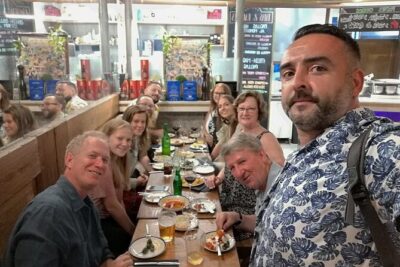
Madrid Tapas & Wine Tasting Walking Tour – Small Group Local Bars
Read our review →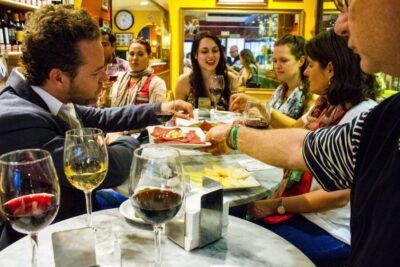
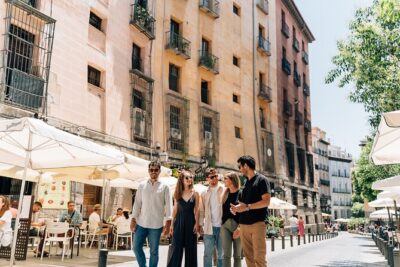
Madrid Tapas & Wine Tour with Rooftop Views and Local Guide
Read our review →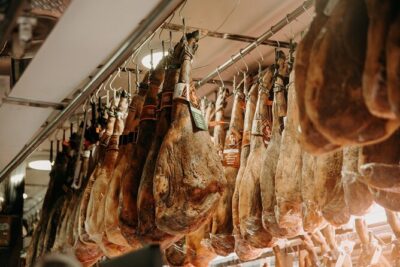
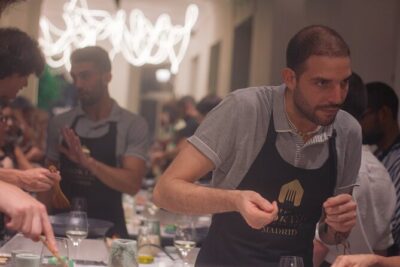
Paella Cooking Class in Madrid with Bottomless Wine Pairing
Read our review →
Food & Wine Tour with 10 Tapas & 4 Drinks Included
Read our review →
Madrid Historic Centre Food Tour with Authentic Tapas & Wines
Read our review →
Madrid Guided Food Tour with Tapas and Spanish Wine
Read our review →Browse the lists this tour appears in