
REVIEW · ITALY
Authentic Cooking with Locals: Meal, Wine & Scenic Views
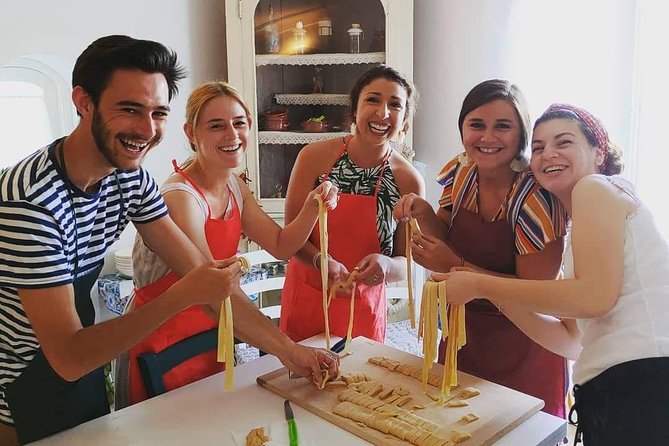
The best part of this Praiano cooking class is that you do more than watch a demonstration. Rocco and Carla welcome you into their family home, where you help prepare a starter, fresh pasta, sauce, and dessert before sitting down to eat it all with homemade wine. I especially like the small-group setting, capped at 10 people, and the chance to cook with ingredients from their garden or daily catch.
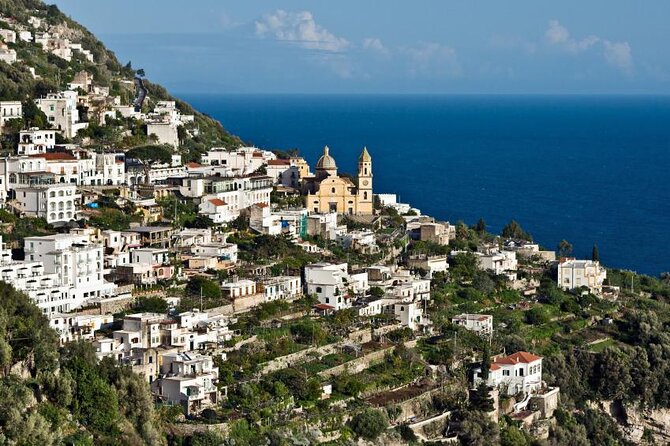
I also like the setting near La Praia, the NaturArte route, and the old Praiano watchtower. The outdoor cooking area gives the meal a memorable coastal view. The main consideration is that this is a family home, not a polished culinary school, and the amount of hands-on cooking can vary. One dissatisfied participant felt the sauces and pasta cooking were handled too much by the hosts, while others found the instruction very involved.
Key points at a glance
- Rocco and Carla host you at their family home, not in a restaurant classroom.
- You prepare a starter, two pasta shapes or types, sauce, and dessert, with recipes changing by season.
- Homemade wine and handcrafted digestives are part of the meal.
- The outdoor kitchen and garden offer views over Praiano’s coast, with shade from the sun.
- The group limit is 10 people, though many sessions appear to be smaller and more intimate.
- The $147.95 price buys a meal, cooking lesson, local welcome, and several hours of personal hosting, but portion size and hands-on involvement deserve attention.
Meeting Rocco and Carla near La Praia
The meeting point is La Moressa Italian Bistro at Piazza Moressa 1, in Praiano. It is only a few steps from La Praia beach, the NaturArte artistic route, and the well-known Praiano watchtower.
That location is useful if you are already exploring the lower part of Praiano. You can pair the class with a walk around La Praia or a look at the watchtower before meeting the hosts. The activity ends where it begins, so you do not need to arrange a second pickup point.
Rocco meets you at the bistro and walks with you to the family home. That short walk is part of the transition. You leave the public beach area and move into a more personal setting, where the cooking takes place in the family’s kitchen or outdoor covered cooking area.
The location is near public transportation, and service animals are allowed. The practical detail that matters most is timing: arrive promptly. One group arrived about 45 minutes late and was still welcomed, but a delay can reduce the time available for cooking and eating.
More cooking classes with wine in Italy:
- Florence: Pasta Cooking Class with Unlimited Wine
★ 4.9 · 10,285 reviews - Florence: Pasta & Tiramisu Cooking Class with Unlimited Wine
★ 4.9 · 6,708 reviews - Florence: Pasta Cooking Class with Unlimited Wine
★ 5.0 · 6,413 reviews
A welcome glass of wine before the work begins
Once you arrive, the hosts begin with a glass of wine made by the family and a small homemade aperitif. This is not just a quick drink before class. It gives everyone time to settle in, meet the other participants, and get comfortable in the home.
The class has a social rhythm. Rocco tends to bring humor and conversation, while Carla takes the lead with the cooking instruction. Their young son has also made an appearance during some sessions, giving the gathering the feel of a real family home rather than a staged restaurant event.
You should expect conversation about family, local food, and life in Praiano. Rocco and Carla have also offered practical suggestions about places to visit during the rest of a stay. That informal local advice can be useful, though the focus remains on cooking rather than sightseeing.
The homemade wine receives especially strong praise, and wine is described as available throughout the meal. You may also taste a handcrafted digestive, including a citrus-based liqueur. If you enjoy small local drinks with a story behind them, this adds real character to the afternoon or evening.
Making the starter with seasonal ingredients
The menu changes with the season, the garden harvest, and the day’s catch. That means you should not book this expecting one fixed set of dishes every time.
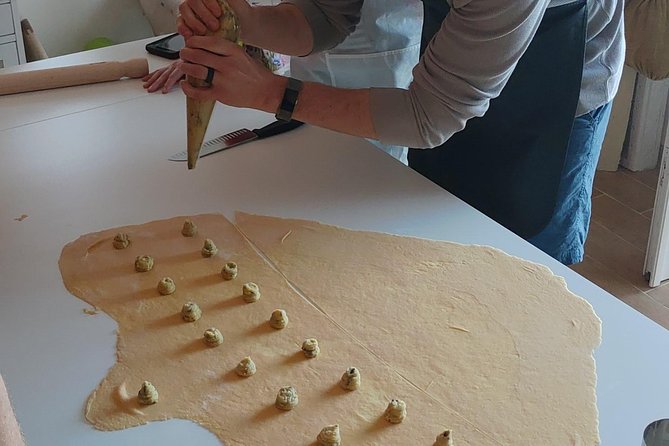
A sample menu begins with a classic Neapolitan starter: stuffed eggplant or stuffed bell pepper. Another sample lists eggplant with a preparation described as Praiano style. The broader promise is simple, local cooking built around what the family has available.
This part of the meal matters because it shows how southern Italian cooking often starts with ordinary ingredients handled carefully. You are not being presented with a long restaurant menu. Instead, you work with vegetables from the garden when available, along with products connected to the family’s fishing.
The exact level of participation may depend on the dish. Some people have found Carla patient and highly practical, with useful tips on vegetables and pasta dough. One participant, however, felt the sauces were prepared without enough help from the group. If you want every sauce measured and cooked by your own hands, ask at the start which steps you will handle.
Fresh pasta, two shapes, and family technique
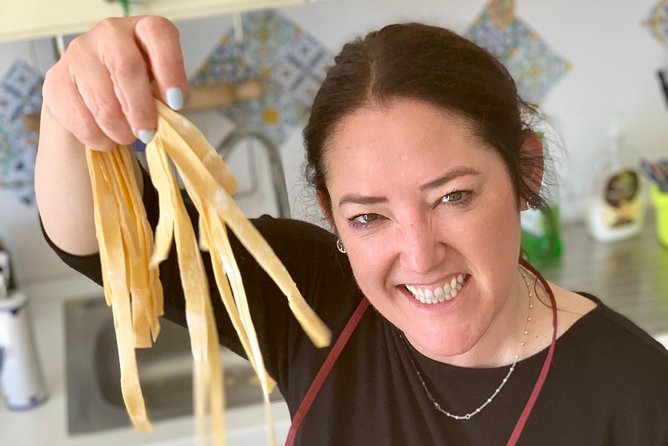
The pasta-making portion is the heart of the class. You prepare homemade dough and learn different shapes, with examples including two types of pasta and a Praiano-style preparation or garden-based flavors.
The hosts explain their family methods rather than teaching a restaurant curriculum. That is valuable if you want techniques you can repeat at home. One particularly useful lesson concerns getting the dough right, a common problem even for people who already make pasta. Carla has shared practical tips that can help with texture and kneading.
The stated formula is roughly 100 grams of flour and one egg per person, with extra flour added during kneading. The hosts say the usual serving is about 100 to 120 grams per pasta shape. If you choose two pasta shapes, that can amount to approximately 200 to 240 grams of fresh pasta per person before counting the starter and dessert.
That portion detail is worth knowing because one participant felt the serving was too small and needed another meal afterward. The hosts replied that the selected option included two pasta preparations, dessert, an appetizer, wine, and liqueur. The sensible approach is to tell the hosts during the meal if you are still hungry. They have said they would prepare more dough when possible.
There is also a small limitation in the kitchen layout. At least one person felt the pasta was cooked in another room, making it harder to see the sauce and cooking process. Most people appear to enjoy learning the shapes and dough work, but you should not assume every stage will happen directly in front of you.
A few more wine days around Italy worth comparing
- Tuscany Day Trip from Florence: Siena, San Gimignano, Pisa and Lunch at a Winery
★ 5.0 · 21,634 reviews - Florence: Chianti Wineries Tour with Wine Tasting
★ 4.5 · 10,071 reviews - Small-Group Wine Tasting Experience in the Tuscan Countryside
★ 5.0 · 7,392 reviews - Pisa, Siena and San Gimignano Day Trip with Lunch & Wine Pairing
★ 4.5 · 6,006 reviews
Eating what you made above Praiano
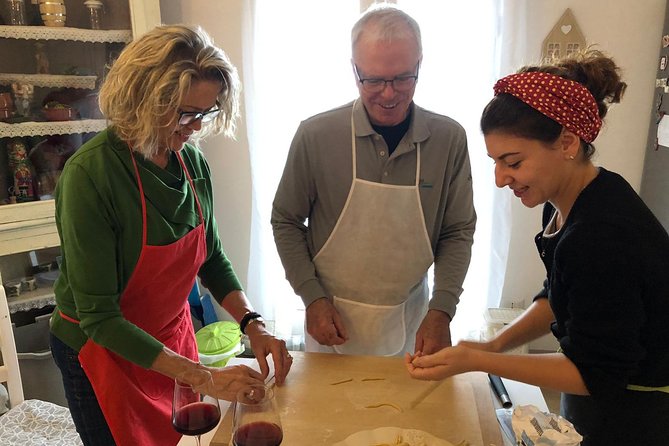
After the cooking, you sit down and eat the meal. The setting is a major part of the value. The covered outdoor area provides shade, and the view across Praiano gives the meal a sense of place that a standard cooking studio cannot match.
You are not simply receiving a plate prepared by a chef. You have handled the dough, shaped the pasta, helped with the starter, and taken part in making dessert. Even if Carla completes some of the cooking, the meal has a personal connection because you worked on its main elements.
The sample dessert is either Mamma Annamaria’s traditional Italian trifle or a zesty citrus pudding. Seasonal changes are possible, so the exact dessert may differ. The citrus option fits the Amalfi Coast setting, but you should treat it as an example rather than a guarantee.
At the end, the meal is finished with a handcrafted digestive or several digestives. This gives the class a leisurely finish rather than a quick restaurant-style turnover. The full activity lasts about three hours, so set aside enough time to cook, eat, and talk without rushing.
How intimate is the group?
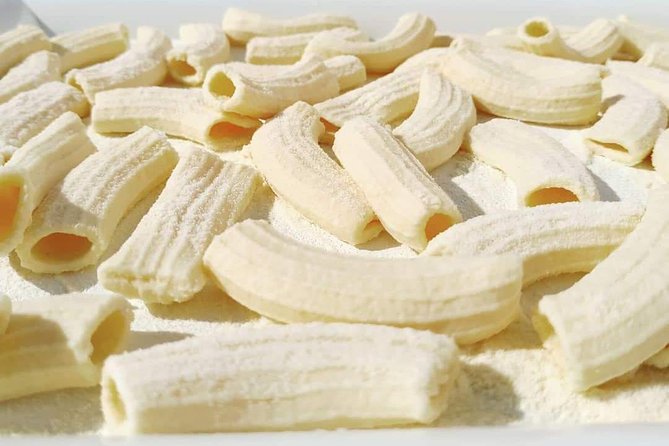
The official maximum is 10 people. That is small enough for a personal atmosphere, but the actual group may be smaller. Several accounts describe sessions with only a few couples or about six people total.
A small group makes a difference here. You can see the dough work more easily, ask questions, and get more direct help with shaping pasta. It also helps the hosts keep the mood relaxed and conversational.
The tradeoff is that a family-home class can feel less structured than a large professional school. The pace may respond to the people in the room. If everyone wants to practice, the class may be very hands-on. If some people are happy to watch, the hosts may handle more of the preparation.
I would ask one clear question when you arrive: which tasks will I do myself, and which will you demonstrate? That sets expectations without making the class feel formal.
Is $147.95 a fair price?
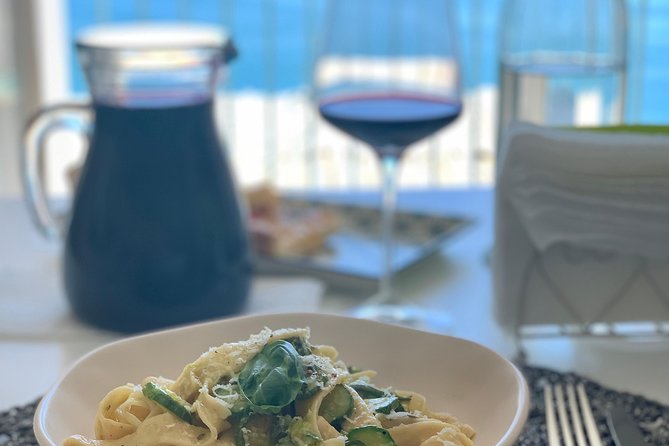
At $147.95 per person, this is not a cheap meal or a basic pasta lesson. The value comes from the combination of several things: roughly three hours of hosting, instruction, a full meal, wine, homemade aperitifs, a family setting, garden or local ingredients, and the coastal view.
You are also paying for access to a private home and a personal exchange that you cannot get from a regular restaurant. The hosts share family recipes and their own cooking habits. For someone who values local contact and wants to bring home practical pasta skills, the price can make sense.
The value is weaker if you judge the activity only by food quantity. One participant expected larger portions and felt another meal was necessary. Another felt the cooking process was not hands-on enough. Those are fair concerns at this price, especially if your main goal is a formal lesson with a generous meal.
I would compare it with the cost of a good meal in Praiano, then add the time and instruction. If you want a memorable evening with food, conversation, and a coastal setting, the total can be reasonable. If you want an intensive chef-led workshop, you may prefer a more structured cooking school.
What the strongest praise gets right
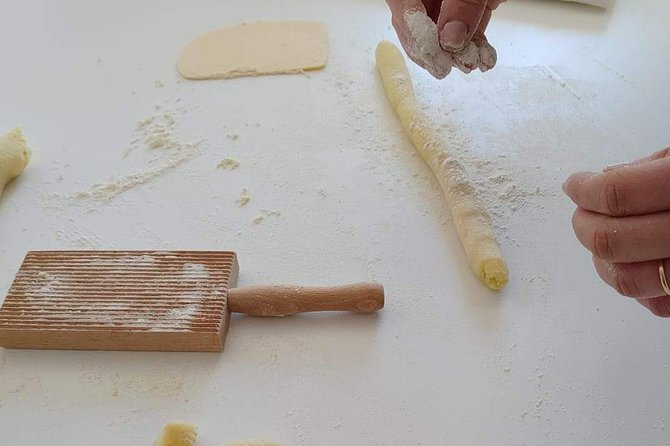
The most consistent strengths are the hosts, the setting, and the food. Carla is repeatedly described as patient, funny, and skilled at explaining pasta. Rocco is praised for his warmth, humor, and welcome.
The homemade wine is another recurring highlight. It gives the class a local identity and makes the meal feel connected to the family rather than simply themed around Italy.
The food also benefits from freshness. Garden produce, seasonal ingredients, and possible local catch give the menu a changing character. You may not get the exact dish pictured in your imagination, but you are more likely to get something tied to what is available at that time.
The view is not a minor extra. Several accounts focus on the outdoor cooking area and the sight over Praiano. For many people, that combination of food preparation and scenery is what makes the class worth choosing over an indoor lesson.
Important limits before you book
This is a good match for people who like social meals, family stories, and learning by doing. It is less suitable if you want a quiet private dinner, strict culinary precision, or a guaranteed menu.
The class is offered in English, but the hosts are Italian and the setting is informal. Communication appears to work well for most people, though instructions may feel conversational rather than textbook-like.
The weather also matters. The activity requires good weather and may be canceled if conditions are poor. In that case, you are offered another date or a full refund. You can cancel for a full refund up to 24 hours before the start time, but changes or cancellations inside that window are not accepted.
The food menu is not fixed. That is part of the charm, but it can be a drawback for anyone with strong dietary needs or a very specific expectation. The information provided does not spell out a vegetarian, vegan, gluten-free, or allergy policy, so contact the provider before booking if that matters to you.
Who should choose this cooking class?
I would recommend it to couples, families, and small groups who want an evening built around food and conversation. It also suits people staying in Praiano who want an activity close to La Praia rather than another long day of buses, boats, and stairs.
It is particularly good for anyone who has tried making pasta at home and wants help with dough, shaping, and family methods. Beginners should also feel comfortable, since Carla’s teaching style is described as patient and encouraging.
You should think twice if you need a guaranteed large meal, a fixed menu, or a fully hands-on approach to every sauce and cooking step. Tell the hosts what you hope to learn at the beginning, and you will have a better chance of getting the kind of class you want.
Should you book it?
Book this class if your ideal Amalfi Coast evening includes homemade wine, fresh pasta, a family welcome, and a view from a Praiano home. The strongest reasons to choose it are the personal hosting by Rocco and Carla, the small group size, and the chance to learn recipes you can use after Italy.
Do not book it solely for the food quantity or a formal chef-school format. The class works best when you value the setting and the human exchange as much as the meal. For that kind of traveler, the $147.95 cost is easier to justify, and the experience offers something a restaurant dinner cannot.
FAQ
Where does the cooking class meet?
It begins at La Moressa Italian Bistro, Piazza Moressa 1, 84010 Praiano, Italy.
Where does the activity finish?
The activity ends back at the meeting point.
How long does the experience last?
It lasts approximately three hours.
What will I prepare?
You can expect to prepare a starter, two types of pasta and sauce depending on the preparation, and dessert.
Is the menu fixed?
No. The menu and recipes change according to the season, the garden harvest, and the daily catch.
What dishes might be served?
Examples include stuffed eggplant or stuffed bell pepper, homemade pasta prepared Praiano style or with garden flavors, and either a traditional Italian trifle or citrus pudding.
Are wine and digestives included?
The experience begins with homemade wine and a small aperitif. Wine is described as available during the meal, and handcrafted digestives are served at the end.
How many people can join?
The maximum group size is 10 people.
Is the experience offered in English?
Yes. The activity is offered in English.
What happens if the weather is poor?
The experience requires good weather. If it is canceled because of poor weather, you can choose another date or receive a full refund.
Just added around Italy
- Wine Degustation Ebrezze★ 4.5 · 86 reviews
- Guided winery tour with tasting in Bolzano at the SKYWINE PAVILLON★ 5.0 · 61 reviews
- Bologna: Tagliatelle & Ragù Home Cooking Class with wine★ 4.5 · 55 reviews
- Bologna Food & Wine tour with a local Chef★ 3.0 · 30 reviews
- The downtown wine experience★ 5.0 · 35 reviews
- Parmigiano Wine and Balsamic Vinegar Experience from Bologna★ 5.0 · 30 reviews
- Eating Bologna Food and Wine Tour★ 5.0 · 96 reviews
- Private Bologna Food & Market Tour with 6 Tastings & Wine★ 5.0 · 102 reviews
Wine Tours in Italy, compared.

Tuscany Day Trip from Florence: Siena, San Gimignano, Pisa and Lunch at a Winery
Read our review →
Small-Group Wine Tasting Experience in the Tuscan Countryside
Read our review →
Pasta & Tiramisu Cooking Class with Unlimited Wine
Read our review →
Pisa, Siena and San Gimignano Day Trip with Lunch & Wine Pairing
Read our review →
Tuscany & Montepulciano Day Trip with Lunch & Wine Tasting
Read our review →Browse the lists this tour appears in