
REVIEW · PARIS
Paris: Wine and Cheese Tasting
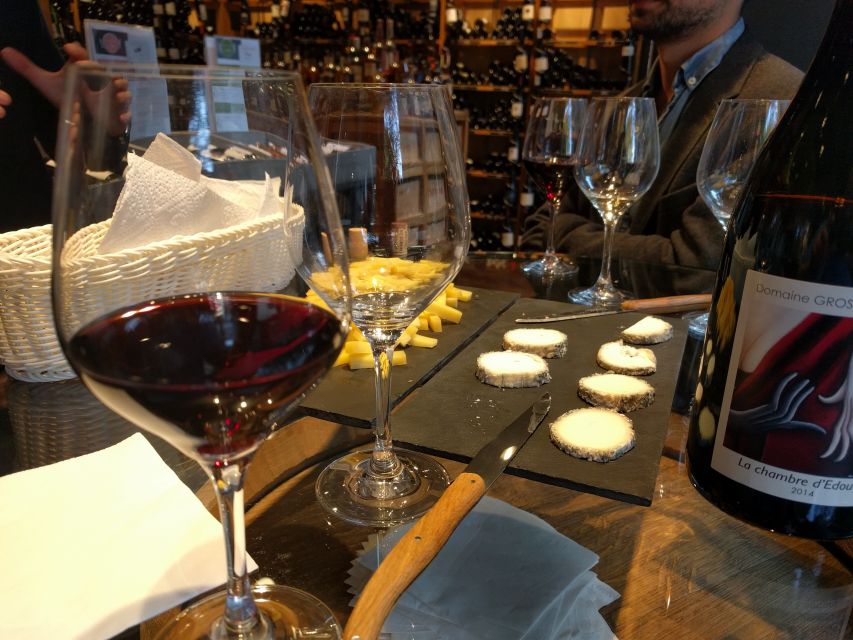
France’s wine story becomes much easier to understand when you can see the soil samples, compare grapes from different regions, and taste the results beside cheese. This 90-minute session takes place in a working Paris wine shop, not a formal restaurant, so you get a close look at the bottles and producers behind the tasting.
I like the small group, limited to eight people, because it gives you room to ask practical questions. I also like the focus on independent producers, plus the simple pairing of French wines with hard and soft cheeses. The main drawback is that the meeting point can vary by booking option, and boutique toilet access may be limited.
Key points
- Three French wines from small producers: The selection is based on your group’s interests rather than a fixed mass-market lineup.
- Cheese pairing with a purpose: Hard and soft cheeses show how the same wine can taste different beside different foods.
- A visual lesson in terroir: Maps and real soil samples explain why French wine varies so much from one region to another.
- Guides who make the difference: Camille, Julian, Constance, and Leia have each led sessions praised for clear explanations and a friendly approach.
- A compact Paris experience: The 90-minute format fits neatly into a sightseeing day without taking over your schedule.
- Good flexibility: You can cancel up to 24 hours before the start for a full refund, and reserve now while paying later.
Inside the Paris cave à vin
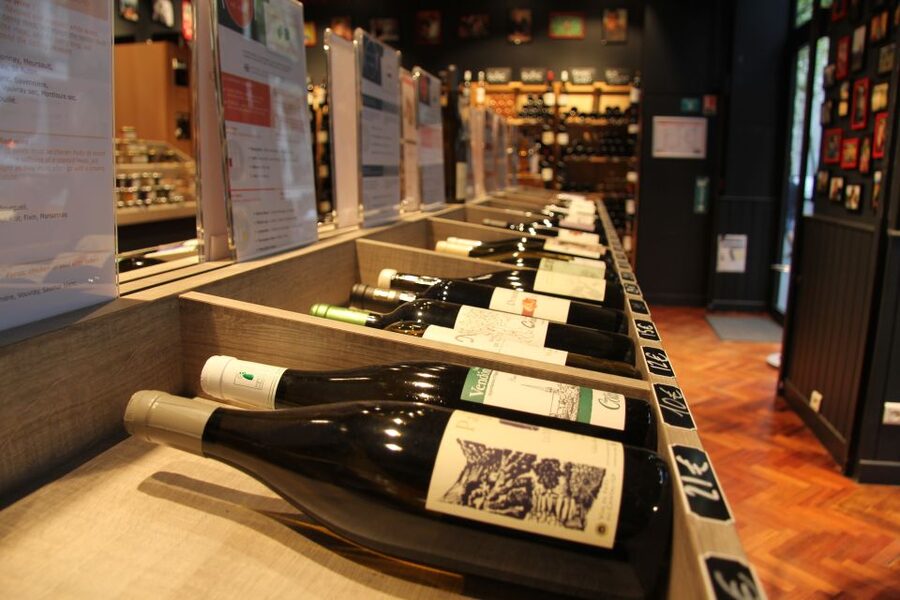
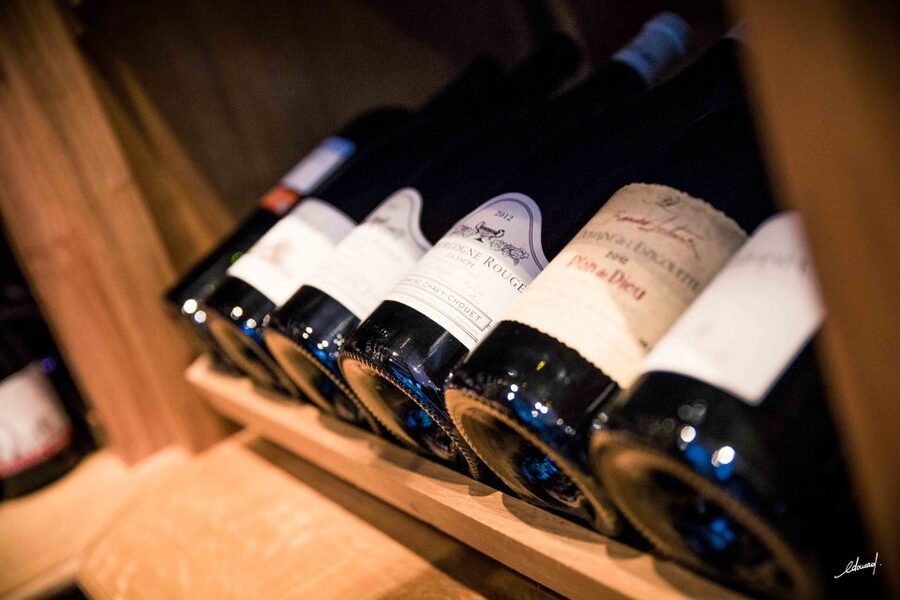
You begin at a cave à vin, the French term for a wine shop or cellar. This is not a restaurant with a few bottles placed on a shelf for decoration. The room is filled with reds, whites, and rosés from across France, giving the tasting a useful connection to the real business of choosing and buying wine.
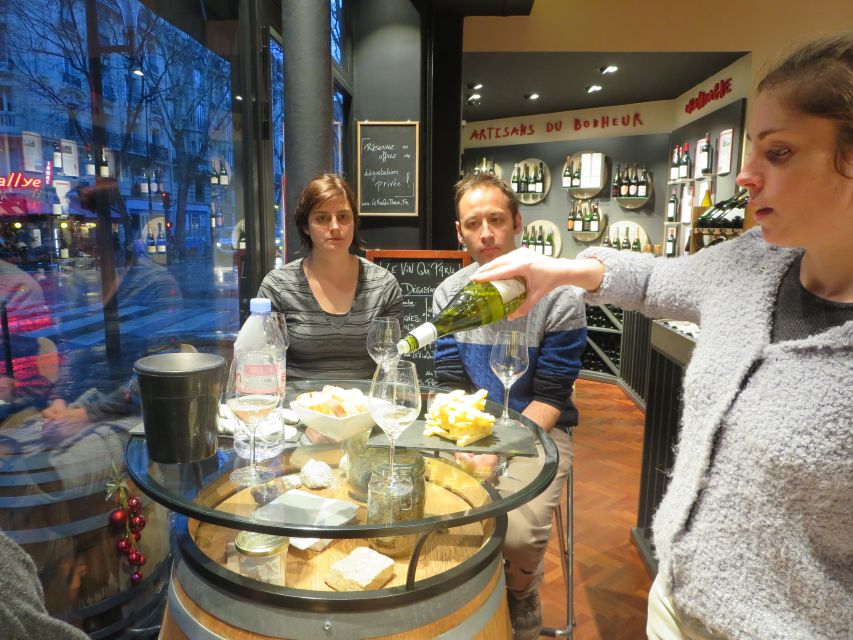
After a warm welcome, you settle into a prepared tasting area. The atmosphere is relaxed and informal, which suits the subject. You are there to taste, ask questions, and learn at your own pace, not to pass an exam in French wine.
The shop sells wines from small, independent producers. That matters if you want to try bottles beyond the familiar names found in supermarkets or hotel bars. You may discover a grape or region you have not encountered before, and the tasting can point you toward a bottle to buy for later.
A practical note: the meeting point may change depending on the option you book. Check the exact address before setting out, rather than assuming every session meets at the same shop.
More Wine Tours in Paris
- Paris: Moulin Rouge Cabaret Show Ticket with Champagne
★ 4.7 · 16,088 reviews - Authentic Parisian Gourmet Food Tour with 10 Local Dishes & Wines
★ 5.0 · 4,754 reviews - Loire Valley Castles Day Trip from Paris with Complementary Wine
★ 4.5 · 3,907 reviews
The first lesson: France by region, grape, and soil
The opening talk gives you a broad explanation of French wine production. You learn how the country’s regions, grapes, and terrain shape the final drink. The guide uses maps and authentic soil samples, turning an abstract word such as terroir into something you can see and discuss.
Terroir refers to the effect of place on wine. Soil is part of it, but so are the local conditions and the traditions tied to a region. You do not need a technical background to follow this section. The guide’s job is to connect the map to the glass.
This is one of the best reasons to choose the tasting instead of simply ordering a glass at dinner. In a restaurant, you might enjoy the wine without understanding why it tastes the way it does. Here, the explanation comes before and alongside the tasting, so the differences have a framework.
The guide also explains how different grapes produce different flavors. That can help if you often choose wine by color alone. You may leave with a better sense of what to ask for when a menu gives you several French regions or grape varieties.
The session is available in English or French. Several guides have led it, including Camille, Julian, Constance, and Leia. The person leading your tasting depends on the date and assignment, but the format allows plenty of direct conversation.
Choosing three wines from independent producers
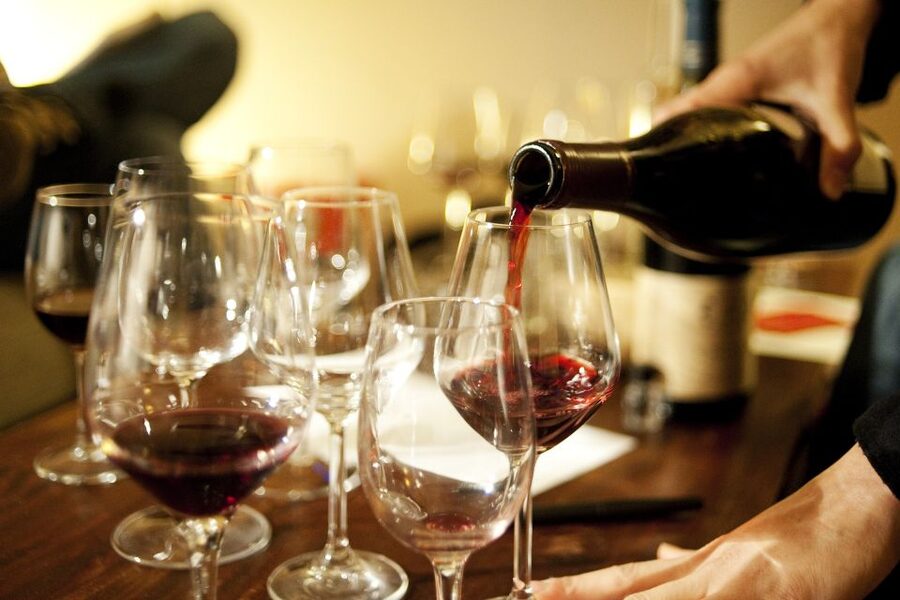
The tasting includes three types of wine. The exact bottles are not fixed in the information provided, because the wine expert may adjust the selection to suit the group’s interests.
That flexible approach is useful. If your group wants to compare reds, the guide can shape the conversation around that. If you are curious about white wine, rosé, unfamiliar grapes, or regional differences, you can ask for that focus instead. You are not simply handed the same three bottles regardless of who is sitting at the table.
At the same time, flexibility means you should not book expecting a precise list of famous labels. The point is discovery and explanation, not a guaranteed tasting of specific prestigious wines.
You taste each wine with guidance on its origin and flavors. The best way to get value from this part is to speak up. Tell the guide what you usually drink, what you avoid, and what you want to understand better. The more specific your questions, the more useful the selection can become.
The small group helps here. With a maximum of eight participants, the guide can respond to individual questions without turning the session into a lecture. That is especially helpful for beginners, who may otherwise hesitate to ask what seems like an obvious question.
A spittoon is provided. You can use it if you want to taste carefully without drinking every sample. This is a welcome option if you have more sightseeing afterward, are sensitive to alcohol, or simply want to focus on aroma and flavor.
Some people end up buying a bottle they tasted. The shop setting makes that easy, but there is no need to treat the tasting as a sales presentation. You can enjoy the samples and leave without purchasing anything.
Why the cheese pairing matters
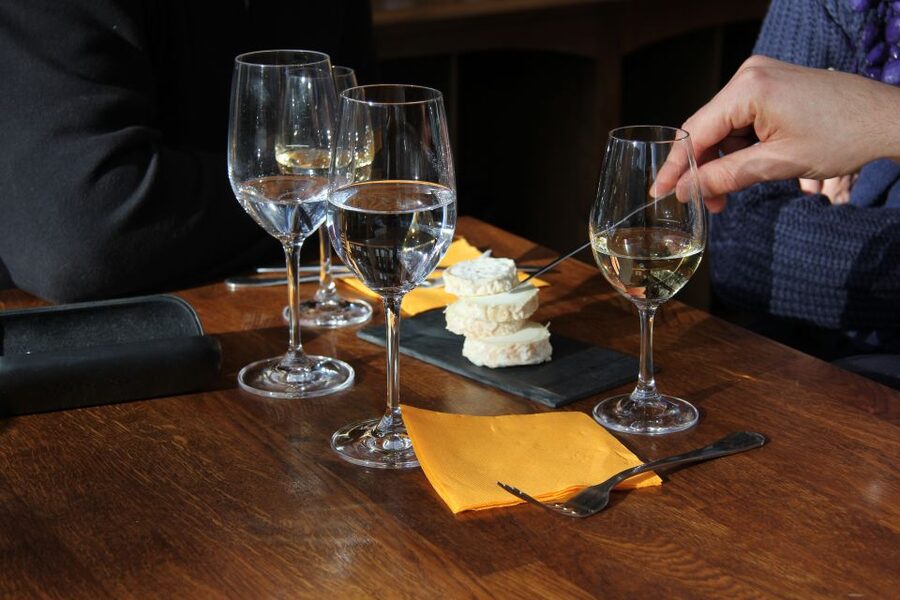
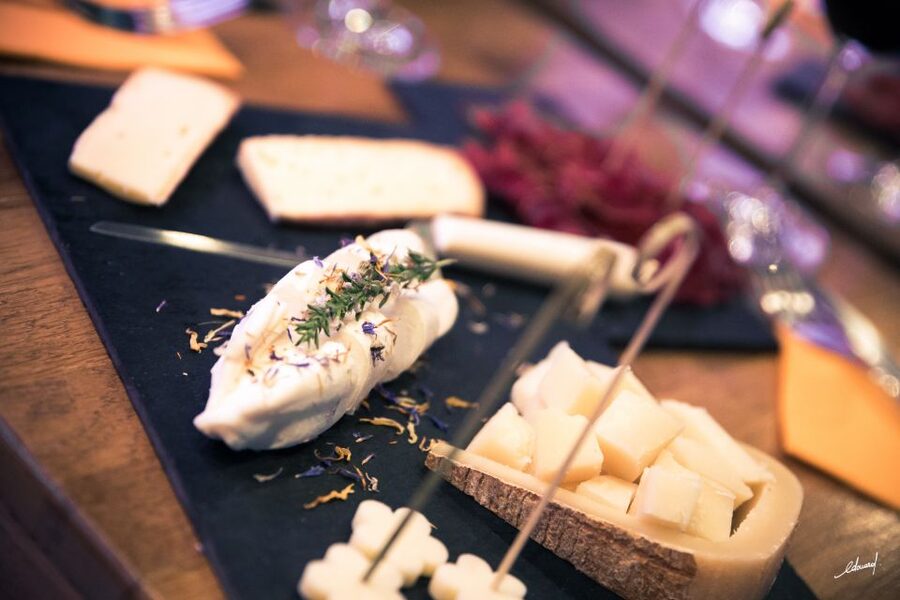
The cheese is not just a snack placed beside the wine. You taste the combinations and notice how the flavor changes when food enters the picture.
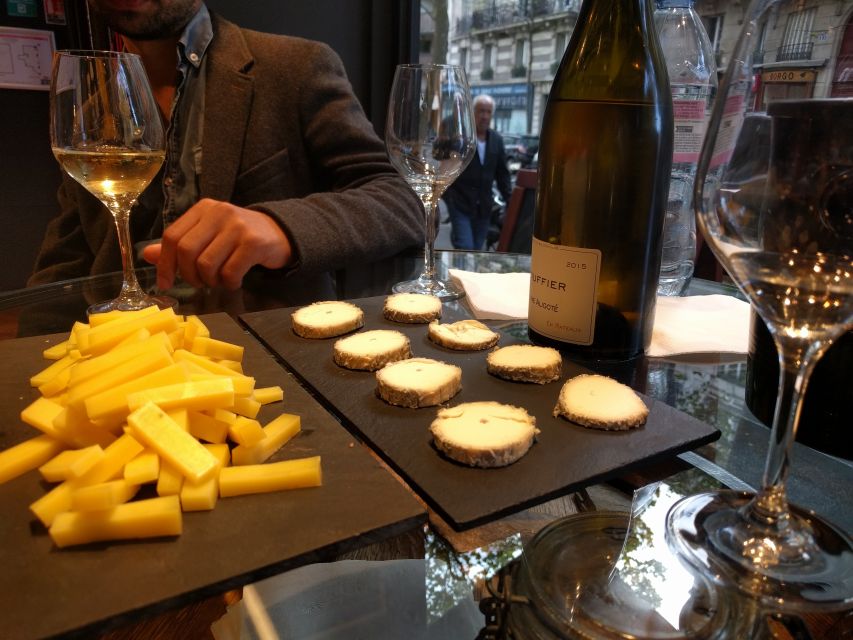
The experience description focuses on a hard cheese and a soft cheese from a nearby artisanal cheese shop. Bread and water are provided as palate cleansers. The included section also refers to three types of cheese, so the exact number may vary or be described differently by booking option. If the cheese count matters to you, confirm it when you reserve.
The hard and soft contrast is helpful for beginners. A firm, salty cheese can make a wine seem rounder or sharper. A soft cheese can bring out different fruit, acidity, or texture. You do not need to identify every flavor correctly. The goal is to notice the change and learn why some pairings work better than others.
Bread gives you a plain bite between samples, while water helps reset your palate. Take your time rather than rushing through the glasses. A short tasting can become muddled if you sample too quickly or mix several flavors at once.
This food pairing also gives the experience a stronger connection to everyday French life. Wine is not treated as an isolated product. It is shown as part of a meal, where the right combination can change the way both the drink and the food taste.
More wine and cheese tastings in Paris:
- Paris: Montmartre Cheese, Wine & Pastry Guided Walking Tour
★ 4.8 · 2,255 reviews - Private Montmartre Food Tour with Wine, Cheese & Pastries
★ 5.0 · 1,027 reviews - Paris Le Marais Food Tour With 10+ Tastings, Cheese, Wine & More
★ 5.0 · 985 reviews - Paris: Wine and Cheese Lunch
★ 4.9 · 596 reviews
What the guides add to the 90 minutes
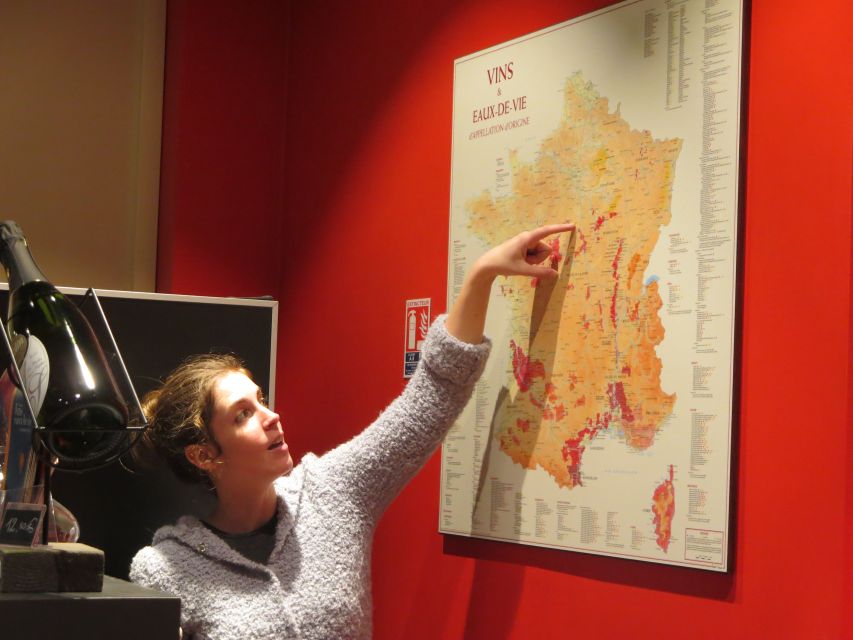
The guide is the central part of this experience. The bottles matter, but a good explanation turns a pleasant drink into a useful lesson.
Camille has been praised for being especially warm and helpful, and for adding an unexpected extra tasting on one occasion. Julian has led sessions focused on unfamiliar varieties, regional origins, and the correct wine choices for the cheeses. Constance has guided beginners through the tasting in clear English, while Leia has been described as pleasant and informative.
Names and assignments can change, so you should not book solely to meet one particular guide. Still, the pattern is clear: the session depends on a friendly wine expert who can explain without making the subject feel stiff or intimidating.
You can ask about how wine is made, how grapes differ, why a region produces a certain style, and how to taste more carefully. The guide can also explain the flavors in the glass and show how the cheese changes them.
This works for experienced drinkers, but it may be even more useful if you are new to wine. One participant who described themselves as a basic wine drinker found the session helped them appreciate wine more. Another person who did not usually drink wine still found the event worthwhile because the guide explained the subject clearly.
That is an important point. You do not need a developed palate or a long list of favorite bottles. Curiosity is enough.
Is $76 a fair price?
At $76 per person, this is not the cheapest way to drink three glasses of wine in Paris. You could spend less at a shop or café if your only goal is alcohol.
The value comes from the instruction, the cheese, the independent-producer selection, the small group, and the chance to ask questions. You are paying for a guided tasting rather than a flight of anonymous pours. The maps and soil samples also give the session more substance than a casual wine-and-cheese hour.
For a first-time visitor, the price is reasonable if you want a structured introduction to French wine. It can save you from ordering at random for the rest of your trip. You may also find a bottle you want to buy, which adds a practical benefit if you enjoy bringing French wine home.
The value is weaker if you already know French wine well and mainly want a large number of samples. Three wines in 90 minutes is a focused introduction, not an advanced seminar or a full-day visit to vineyards.
Bread, water, three wines, and cheese are included. The wording about the cheese selection is not perfectly consistent, so confirm the precise number if that affects your decision.
How this fits into a Paris day
The 90-minute length makes this easy to place between major sightseeing stops. It is long enough for a real lesson, but short enough to leave room for a museum, neighborhood walk, or dinner.
You should allow extra time to find the meeting point, especially because the location can vary by booking option. Arrive ready to listen and taste rather than trying to squeeze in a major attraction immediately before the start.
The boutique is not a restaurant, and toilet facilities may not be readily available or easy to access. Use a restroom before arriving. This is a small detail, but it can matter during a seated tasting.
The session is held in a shop environment, so do not expect a full meal, table service, or restaurant facilities. The food is intended to support the wine lesson. If you need lunch or dinner, plan that separately.
Who will get the most from this experience?
I would recommend it most strongly to:
- First-time wine drinkers who want a friendly introduction
- Visitors curious about French regions and grape varieties
- Couples looking for a compact food-and-drink activity
- Small groups who prefer conversation over a large class
- People who want to buy a distinctive bottle after tasting it
- Anyone who enjoys cheese and wants to understand pairing better
It also suits the person in a group who does not drink much wine. The explanations give the activity value beyond the alcohol, and the spittoon lets you taste without consuming every pour.
You may want to choose something else if you expect a vineyard visit, a large meal, or a long list of rare wines. This is a Paris shop tasting, not a countryside winery excursion. Its strength is access to expert guidance in a compact setting.
Booking details worth checking
The experience costs $76 per person and lasts 90 minutes. It is limited to eight participants, with live guidance in English or French.
You can cancel up to 24 hours before the start for a full refund. The reserve-now, pay-later option gives you some flexibility while arranging a Paris schedule.
Check the start time and meeting point for your selected option. Since the address may vary, this is one booking detail you should not leave until the last minute.
Should you book it?
Book this tasting if you want to understand French wine rather than simply drink it. The soil samples, regional maps, independent producers, and cheese pairings give you useful context, while the small group keeps the session personal.
I especially like it for beginners and moderate wine drinkers. You get enough tasting to compare styles, but not so much that the lesson becomes tiring. The friendly guides, including Camille, Julian, Constance, and Leia on different dates, add warmth to what could otherwise be a dry subject.
Skip it if you want a full meal, a vineyard setting, or a fixed list of famous bottles. For everyone else, this is a practical introduction to French wine that can improve the way you order, taste, and shop during the rest of your time in Paris.
FAQ
How long does the Paris wine and cheese tasting last?
The tasting lasts 90 minutes.
How much does the experience cost?
The listed price is $76 per person.
How many wines will I taste?
The experience includes three types of wine. Some past sessions included an additional surprise tasting, but that is not guaranteed.
How much cheese is included?
The description highlights a hard cheese and a soft cheese. The included information also lists three types of cheese, so confirm the exact selection for your booking.
Are bread and water provided?
Yes. Bread and water are included and can be used to cleanse your palate between samples.
Where does the tasting take place?
It takes place in a Paris cave à vin, or wine boutique. The meeting point may vary depending on the option booked.
Is the tasting available in English?
Yes. Live guidance is available in English and French.
How large is the group?
The group is limited to eight participants.
Can I spit out the wine?
Yes. A spittoon is provided for anyone who prefers not to swallow every sample.
Are toilets available at the venue?
The boutique’s toilets may not be readily available or easy to access because the tasting does not take place in a restaurant. Plan accordingly before you arrive.
More Food & Drink in Paris
- Montmartre Hill French Gourmet Food and Wine Tasting Walking Tour
★ 5.0 · 2,588 reviews - From Paris: Loire Valley Castles Day Trip With Wine Tasting
★ 4.6 · 1,727 reviews - Paris Le Marais District Original Food and Wine Tasting Tour
★ 4.5 · 880 reviews - Paris Montmartre Food & Wine Tour with Eating Europe
★ 5.0 · 718 reviews
More Cheese in Paris
- Cheese & Wine Tasting in Montmartre with Local Cheesemonger
★ 5.0 · 470 reviews - Paris Wine Tasting plus Cheese Lunch with an Expert Sommelier
★ 5.0 · 424 reviews - Le Marais Walking Food Tour with Cheese, Wine & Pastries
★ 4.7 · 339 reviews - Paris: Wine and Cheese Tasting with a Chef Sommelier
★ 4.7 · 277 reviews
Just added around Paris
- Top Private Cruises in Paris with Champagne + more surprises★ 5.0 · 309 reviews
- Private tour of Paris by Night with Champagne★ 4.7 · 323 reviews
- Paris: Wine Tasting Experience with 6 Wines and Cheese Board★ 4.9 · 80 reviews
- Paris: Wine and Cheese Tasting with a Chef Sommelier★ 4.7 · 277 reviews
- Paris: The Ultimate Wine and Cheese Tasting in English★ 5.0 · 33 reviews
- Paris: Tasting of 3 Wine and 3 Cheese★ 5.0 · 74 reviews
- Paris: Seine River Champagne Dinner Cruise with Live Music★ 4.4 · 287 reviews
- Paris : Scenic Cruise on the Seine River with Champagne★ 4.0 · 81 reviews
Wine Tours in Paris, compared.
Authentic Parisian Gourmet Food Tour with 10 Local Dishes & Wines
Read our review →
Loire Valley Castles Day Trip from Paris with Complementary Wine
Read our review →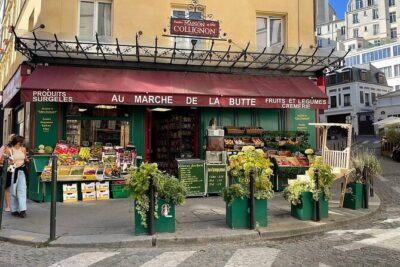
Montmartre Hill French Gourmet Food and Wine Tasting Walking Tour
Read our review →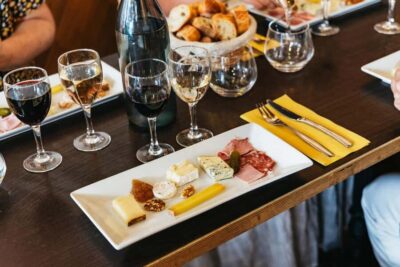
Montmartre Cheese, Wine & Pastry Guided Walking Tour
Read our review →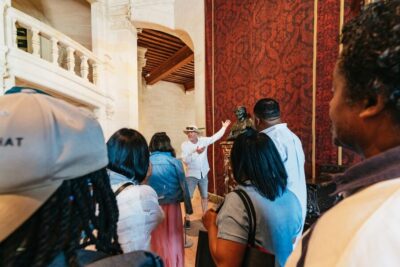
Loire Valley Castles Day Trip With Wine Tasting
Read our review →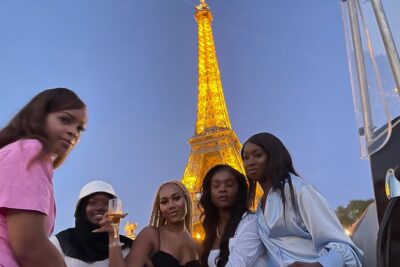
Top Private Cruises in Paris with French Champagne and surprises
Read our review →
Day Trip to Champagne with 8 Tastings & Lunch
Read our review →
First Show Moulin Rouge with Champagne & Seine Cruise
Read our review →Browse the lists this tour appears in