
REVIEW · SPAIN
Manilva: Nilva Vineyard, Wine Tasting & Tapas Guided Tour
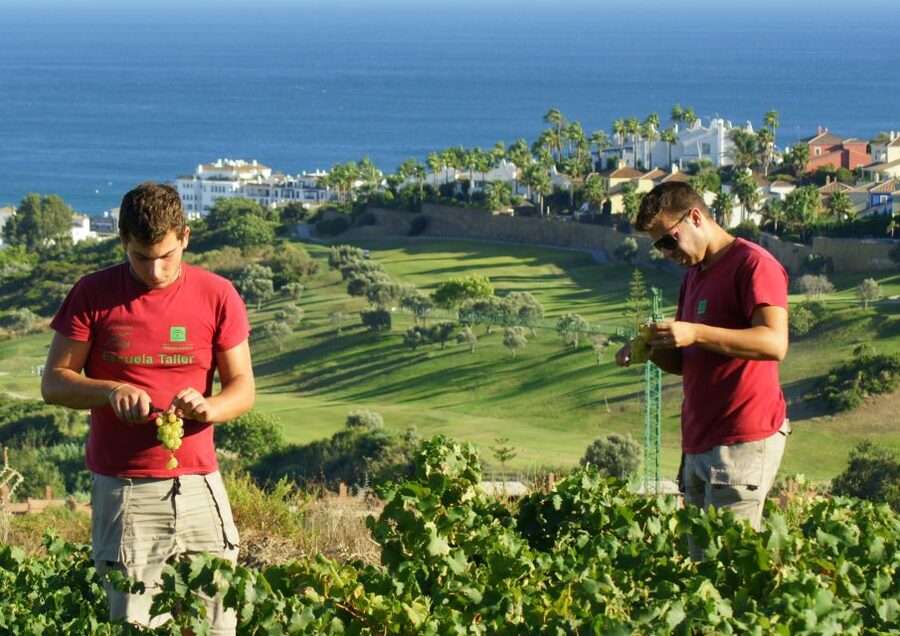
Manilva’s best wine experience ends where the old Moscatel vines face the Mediterranean. You begin with the story of local wine at CIVIMA, see how Nilva makes its small-batch bottles, then taste the results beside the vines with the sea and, on a clear day, Africa in view.
I like two things especially: the tour connects wine with the fight to save Manilva’s old vineyards, and the tasting feels rooted in place rather than set in a polished commercial cellar. The tapas, friendly explanations, and dramatic setting add real value for $35.
The main drawback is practical: the vineyard is about 1 kilometer from the museum, and transport is not included. You need your own vehicle or must walk, and bad weather can prevent the outdoor portion.
Key points to know before booking
- Three stops in two hours: CIVIMA, the Nilva winery, and the Viña del Peñoncillo vineyard.
- A small local project: Your visit helps support the preservation of Manilva’s old Moscatel de Alejandría vines.
- Guide Maggie brings the subject alive: Expect clear English, humor, and practical knowledge of vineyard work.
- The tasting includes food: Wines are paired with ham, cheese, walnuts, and crisps or similar tapas.
- Plan the transfer: The vineyard is roughly 1 kilometer away, often a 10 to 20 minute walk depending on your pace.
- Weather matters: The vineyard visit depends on suitable conditions, though the museum and winery still offer a useful visit.
Why Manilva wine is worth your time
Manilva is an unusual stop on the Costa del Sol. It is a coastal town, yet its identity is tied to vineyards that run toward the Mediterranean. The old vines are Moscatel de Alejandría, a grape with a long connection to the region and a natural place in the area’s agricultural story.
Those vines face pressure from building development and low farming profits. That gives this experience a purpose beyond tasting a few glasses. Nilva’s project, called Save the Vineyards of Manilva, aims to make the work of local growers more sustainable through wine production and tourism.
I find that context important. You are not simply visiting a winery that could be anywhere in southern Spain. You are seeing a small effort to keep a local crop alive. The project has also received an International Skal award for sustainable tourism, which adds weight to its conservation goal without turning the visit into a lecture.
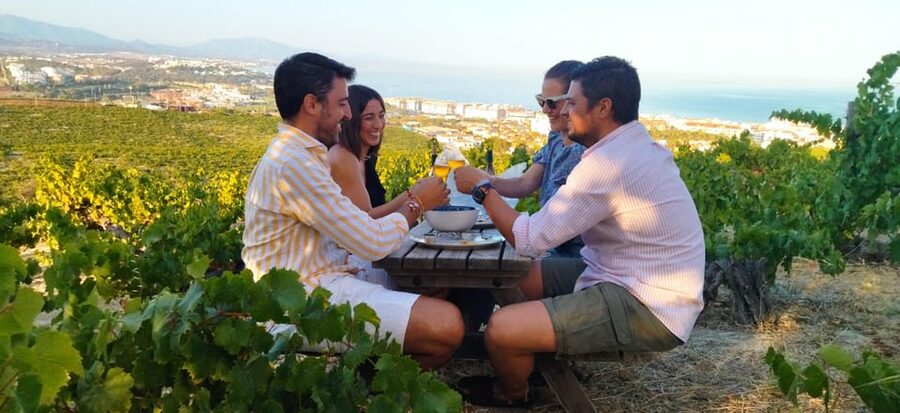
The setting helps explain why the vines matter. From the vineyard, the Mediterranean is not a distant postcard. It is part of the view behind the rows of grapes. On a clear day, you can see toward Africa, and the combination of sea, hills, vines, and late-day light gives the tasting its strongest moment.
More wine and tapas evenings in Spain:
- Montserrat Half-Day Tour with Tapas and Gourmet Wines
★ 5.0 · 7,359 reviews - Montserrat & Cogwheel Train, Gourmet Wine Tasting & Tapas/Lunch
★ 5.0 · 6,290 reviews - Barcelona Tapas and Wine Experience Small-Group Walking Tour
★ 5.0 · 5,804 reviews
Starting at CIVIMA, Manilva’s wine museum
The meeting point is the CIVIMA building, between the fire station and Plaza de la Vendimia. This is useful to know because the experience does not begin at the vineyard. Arrive at the museum first and allow time to get settled before the guided visit starts.
The museum visit takes about 30 minutes. Its rooms cover viticulture, oenology, and grape harvesting, giving you the basic vocabulary for the rest of the tour. You learn about growing the vines, turning grapes into wine, and the work involved in bringing in the crop.
This first stop gives the tasting more meaning. Instead of being handed a glass with a few broad comments about fruit and acidity, you have already seen how Manilva’s wine tradition developed and why the local grape matters. If you are new to wine, the museum helps you follow the later explanations. If you already know a bit about wine, it gives you a local angle rather than repeating a general lesson.
Maggie is often the guide leading this experience. Her style is warm, funny, and direct, with plenty of information about the area and the work involved in the vineyard. Several people have found that she speaks quickly at times, so tell her if you need a slower explanation. Her English is clear, and the tour is offered in English.
The museum is not a huge attraction, so keep your expectations in proportion. This is a compact interpretation center, not a grand national wine museum. Its value comes from the local focus and from the guide who connects the displays to present-day work in Manilva.
Inside the small Nilva winery
From CIVIMA, the tour moves to the Nilva winery for about 15 minutes. This is a small artisan operation, sometimes described as a garage wine project. That phrase is useful because it sets the right expectation: this is not a vast industrial cellar with rows of gleaming machinery.
Instead, you see how a small producer handles wine making, fermentation, and bottling. The limited scale is part of the appeal. You can better understand the hands-on nature of the work and the decisions involved in producing a local wine in modest quantities.
This section also explains the connection between the winery and the vineyard preservation project. If old vines cannot support the people who tend them, they are vulnerable to being abandoned or replaced. Selling wine and offering visits gives Nilva another way to put value on the land and the farming work.
The stop is short, but it is well placed in the sequence. The museum explains the past and the local method. The winery shows the present production. The vineyard then gives you the place where the grapes grow and where you can taste the finished wine.
Reaching the Viña del Peñoncillo vineyard
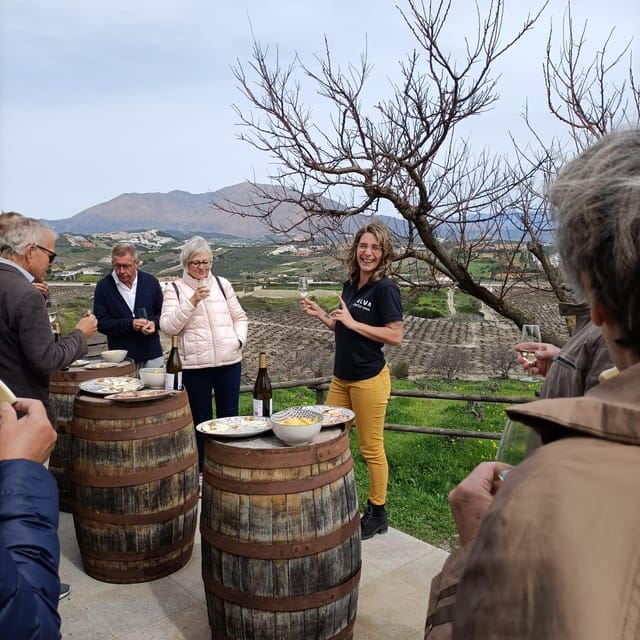
After the museum and winery, you go to the Viña del Peñoncillo vineyard, located about 1 kilometer from CIVIMA. This transfer is the detail most likely to catch people off guard.
You need your own vehicle, or you can walk. The stated distance is about 1 kilometer, while the walking time can work out to roughly 10 to 20 minutes depending on your route and pace. Some people have found it a pleasant walk, while others were glad they drove because the distance felt farther than expected.
The safest plan is to arrange transport if you have mobility concerns or do not want to walk between stops. Hotel pickup and drop-off are not included, and the tour does not provide transport between the museum and vineyard. Taxis or a private car may be useful, but you should organize that before the tour rather than assume a ride will appear.
The vineyard is certified organic agriculture. That does not mean the visit becomes a technical organic-farming class, but it adds another layer to the project’s environmental aim. You are seeing old vines tended as part of a living farm, not simply walking through decorative rows planted for visitors.
The outdoor stop depends on good weather. In poor conditions, the vineyard portion may be changed or skipped. That happened on at least one occasion, though the museum and winery still made the visit worthwhile. If the sea view is your main reason for booking, choose a day with a favorable forecast and understand that the outdoor tasting is not guaranteed.
More vineyard walks in Spain:
- Toledo Tour & Vineyard Walk with Wine Tasting from Madrid
★ 5.0 · 2,546 reviews - From Barcelona: Penedés Vineyards Tour by 4WD w/Wine & Cava
★ 4.8 · 808 reviews - Montserrat,Vineyard, Wine Tasting Small Group Tour & Hotel Pickup
★ 5.0 · 513 reviews - Lanzarote: Vineyard Tour with Wine and Chocolate Tasting
★ 4.7 · 383 reviews
Tasting Nilva wines with tapas
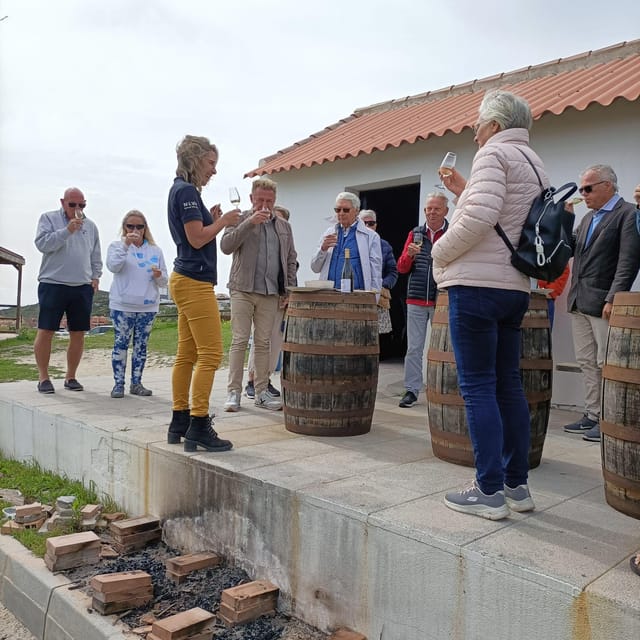
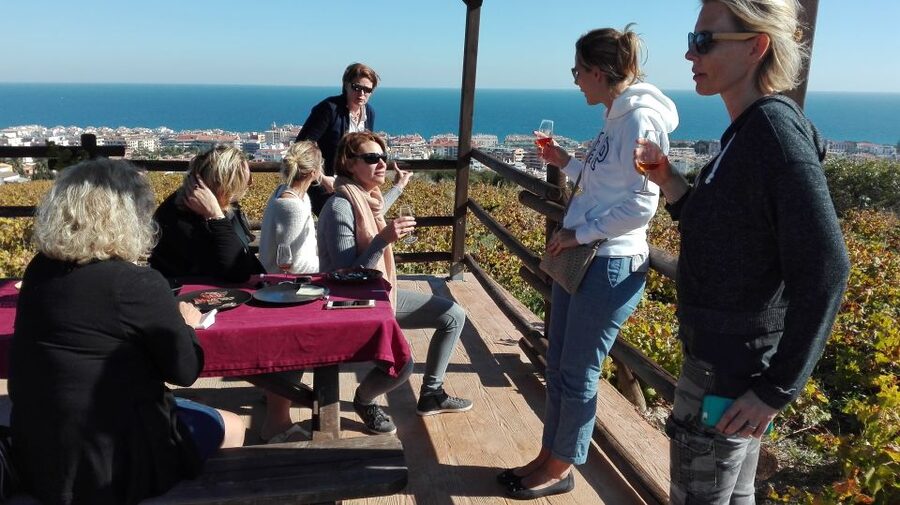
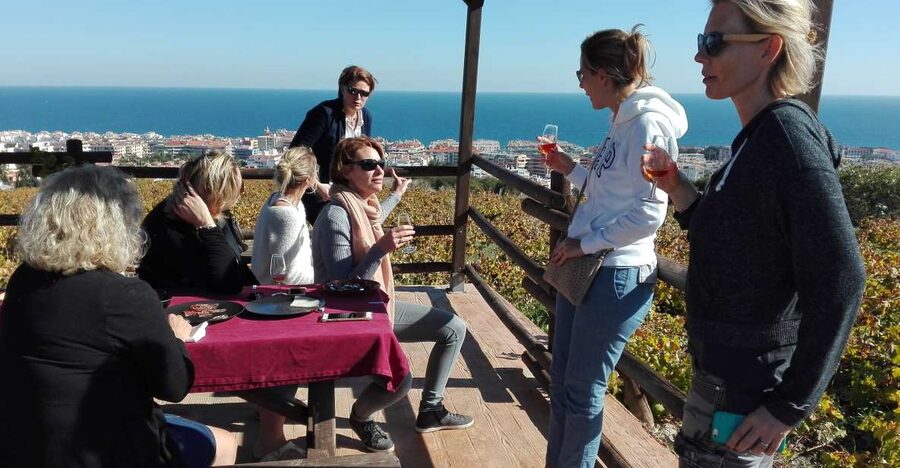
The tasting is the reward for the short museum and winery visits. You sample three wines according to the activity details, while some sessions have included four different wines. The exact selection can vary, so expect a range rather than one fixed tasting menu.
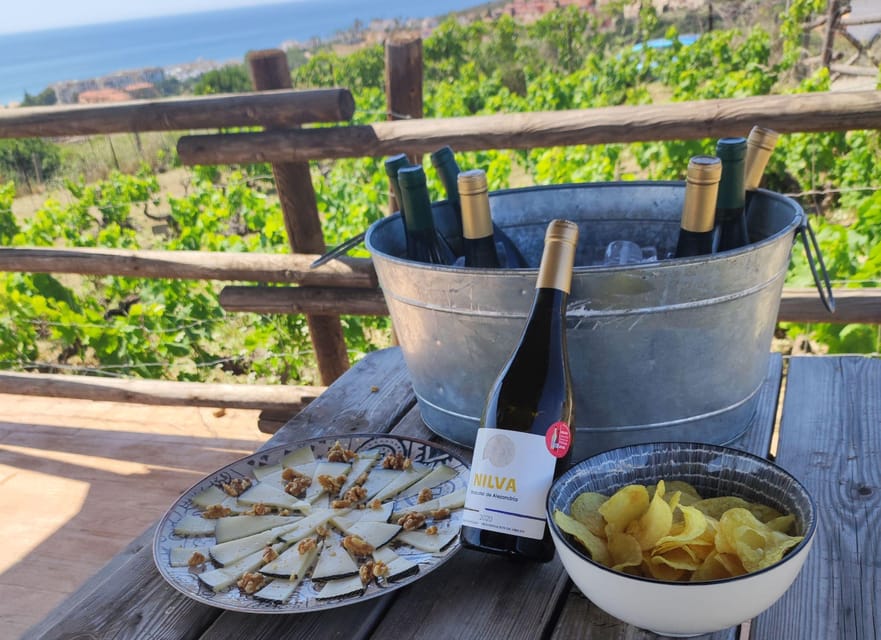
The wines are paired with tapas such as ham, cheese, walnuts, and crisps. This is enough to make the tasting feel generous without pretending to be a full meal. If you are hungry, eat beforehand. The food is there to accompany the wine, not replace lunch or dinner.
The tasting is explained rather than simply poured. You learn how to pay attention to each glass and how the wines differ. That makes the experience friendly for beginners. You do not need a trained palate or a working vocabulary of wine terms. If you already enjoy wine, the small-producer angle and the local grape offer something more specific than a standard Costa del Sol bar tasting.
The atmosphere is informal. You may have a chance to talk with the people behind the project, and the setting encourages questions. This is a good place to ask about pruning, grape growing, fermentation, and the challenge of keeping old vines profitable.
I would not book this mainly for quantity. The value comes from the combination of tasting, food, guide, setting, and context. At $35 per person, entry to CIVIMA, the winery, vineyard access, wine, and tapas are included. That is a fair price for a two-hour experience, particularly when you consider that the visit supports a small local producer.
The view is part of the experience
The vineyard setting does much of the work here. You sit or stand among the vines with the Mediterranean beyond, and the views can reach toward Africa. The surrounding mountains and coast give the tasting a strong sense of place.
This is also the best part of the experience for photographs. One visitor specifically noted the large chairs at the vineyard as a fun photo opportunity. Details like that keep the visit relaxed rather than formal.
Try not to rush this part. The official schedule is two hours, but the tasting itself can feel unhurried. Several sessions have included time to talk, ask questions, and enjoy the view rather than forcing everyone through a strict sequence of pours.
Sunset can make the setting especially appealing, depending on the departure time and season. Still, do not count on a perfect sunset every time. Weather, cloud, and the available start time all affect what you see.
How the tour handles accessibility and practical limits
The activity is listed as wheelchair accessible, but the transfer to the vineyard deserves attention. The tour information confirms that the vineyard is about 1 kilometer from CIVIMA, and walking or personal transport is required. If you use a wheelchair, contact the operator before booking to confirm the route and vehicle arrangements for your particular needs.
Animals are not allowed inside the winery. That restriction is simple but important if you are traveling with a pet.
Free cancellation is available up to 24 hours before the experience for a full refund, and you can reserve now and pay later. These policies make the booking less rigid, especially when your Costa del Sol plans depend on the weather. Still, the weather condition for the vineyard visit remains the key factor to consider.
The experience lasts about two hours. It works well as a focused outing from Manilva, Sabinillas, Duquesa, or nearby parts of the Costa del Sol. One person arrived by taxi from Duquesa and found that straightforward. Do not treat it as a hotel excursion with door-to-door service, though. You are responsible for reaching CIVIMA and handling the museum-to-vineyard transfer.
Who will enjoy this Manilva wine tour
I would recommend it most strongly to people who want a small-scale, local wine visit rather than a large estate tour. You get a personal look at a working project, an accessible explanation of regional wine, and a setting that feels closely tied to the land.
It suits couples, friends, and families with adults who enjoy food, scenery, and local culture. You do not need to be a serious wine drinker. The guide’s humor and the museum displays give the visit enough variety, and the tapas and views help carry the experience for anyone less interested in tasting notes.
It is also a good choice if you want to see a different side of the Costa del Sol. The coast is often presented through beaches, restaurants, and resort towns. Manilva adds vineyards, farming, and an older agricultural tradition to that picture.
I would hesitate if you need a fully car-free outing, want a large-scale winery with extensive facilities, or cannot risk losing the outdoor portion to bad weather. I would also choose another activity if you expect a full meal or a long tasting with many wines. This is a compact, personal visit with a clear local purpose.
Should you book Nilva Enoturismo?
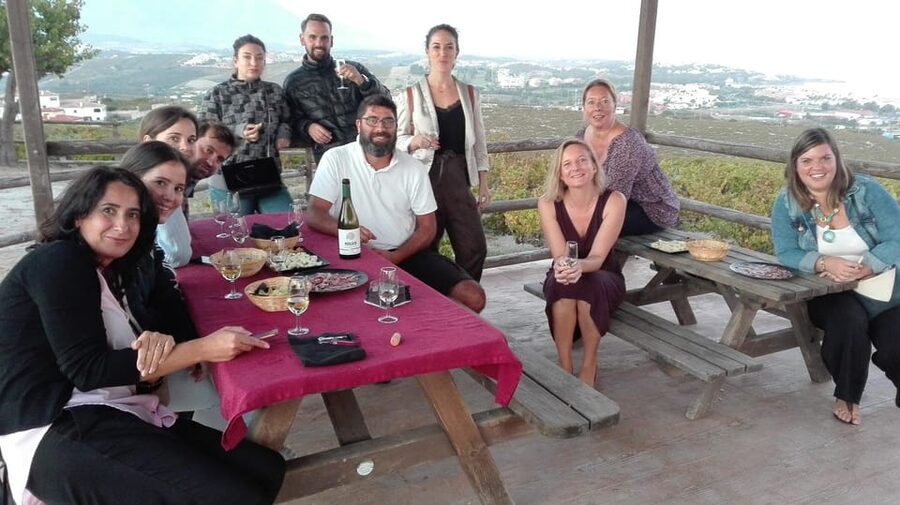
Book this tour if you like the idea of tasting local wine where it is grown, meeting a small producer’s project, and supporting the effort to keep Manilva’s old vineyards in use. The museum, winery, organic vineyard, tapas, and Mediterranean view make a strong package for $35.
Before booking, check the weather and plan the 1-kilometer transfer. If you can handle those details, this is one of the more distinctive food and drink outings on the Costa del Sol. The tasting is good, but the real reason to go is the connection between the wine, the place, and the people trying to protect it.
FAQ
Where does the Manilva wine tour begin?
The meeting point is the CIVIMA building, located between the fire station and Plaza de la Vendimia in Manilva.
How long does the experience last?
The tour lasts about two hours.
What places do you visit?
You visit CIVIMA, the Manilva wine museum, the Nilva winery, and the Viña del Peñoncillo vineyard.
How far is the vineyard from CIVIMA?
The vineyard is about 1 kilometer from CIVIMA. The walk takes approximately 10 to 20 minutes, depending on your pace and route.
Is transportation included?
No. Hotel pickup, hotel drop-off, and transport between CIVIMA and the vineyard are not included. You need your own vehicle or must walk to the vineyard.
How many wines do you taste?
The activity includes three wines, though some tasting sessions have offered four different wines.
What food is served with the wine?
The tasting includes tapas such as ham and cheese. Sessions have also included walnuts and crisps.
Is the vineyard visit guaranteed?
No. The vineyard visit depends on good weather conditions. The museum and winery portions may still be possible if the outdoor visit cannot take place.
Is the tour offered in English?
Yes. The activity includes a live English-speaking guide.
More Food & Drink in Spain
- Barcelona: Tapas Walking Tour with Food, Wine, and History
★ 4.8 · 4,261 reviews - Sevilla Food Tour: Tapas, Wine, History & Traditions
★ 5.0 · 3,468 reviews - Barcelona: Food Walking Tour with Tapas and Wine
★ 4.9 · 2,180 reviews - Barcelona Tapas Walking Tour: Food, Wine & History
★ 4.5 · 1,928 reviews
More Wine Tastings in Spain
- Madrid Tapas & Wine Tasting Walking Tour – Small Group Local Bars
★ 5.0 · 3,644 reviews - Madrid: Tapas & Wine Tasting Tour with Local Guide
★ 4.8 · 2,171 reviews - Paella Cooking Class, Wine Tasting & Central Market in Valencia
★ 5.0 · 1,150 reviews - Bilbao: Basque Food Tour and Wine Tasting with Guide
★ 4.9 · 772 reviews
Just added around Spain
- Bilbao Pintxo Tasting Paired With Spanish Wines★ 5.0 · 55 reviews
- Rioja wine region with visit to winery & Vitoria-Gasteiz★ 4.5 · 32 reviews
- La Rioja Boutique Wine Tour & Charming Lunch (From Bilbao)★ 5.0 · 62 reviews
- Rioja Wine Tour: 2 Wineries From Bilbao★ 5.0 · 111 reviews
- Rioja & Txakoli Wine Tasting in Bilbao with a Local Sommelier★ 5.0 · 40 reviews
- Basque Best Bites – #1 Food & Wine tour of Bilbao★ 5.0 · 268 reviews
- Complete winery experience: visit, tasting and traditional food★ 4.5 · 175 reviews
- 2 Wineries Small Group Tour with Free Hotel PickUp from Sitges★ 5.0 · 83 reviews
Wine Tours in Spain, compared.

Montserrat Half-Day Tour with Tapas and Gourmet Wines
Read our review →
Montserrat & Cogwheel Train, Gourmet Wine Tasting & Tapas/Lunch
Read our review →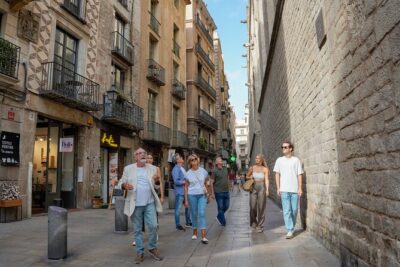
Barcelona Tapas and Wine Experience Small-Group Walking Tour
Read our review →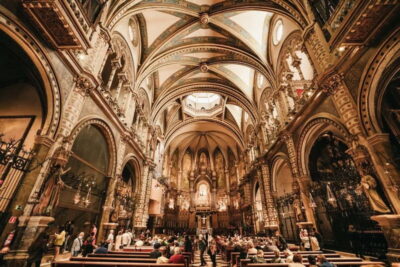
Montserrat, Cogwheel, Black Madonna & Winery Tour
Read our review →
Montserrat with Black Madonna & Medieval Winery with Tapas/Lunch
Read our review →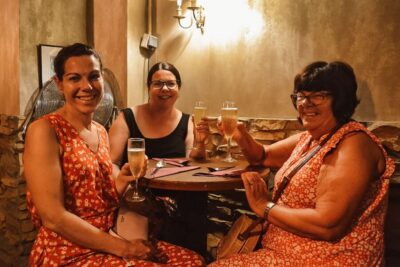
Tapas Walking Tour with Food, Wine, and History
Read our review →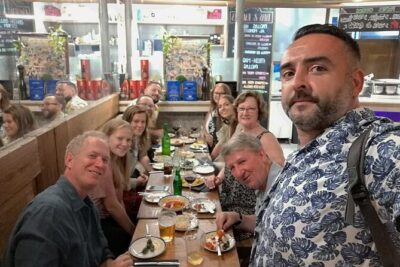
Madrid Tapas & Wine Tasting Walking Tour – Small Group Local Bars
Read our review →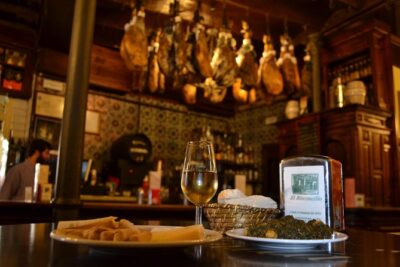
Sevilla Food Tour: Tapas, Wine, History & Traditions
Read our review →Browse the lists this tour appears in