
REVIEW · MADRID
Madrid: Iberico Ham and Spanish Wine Small-Group Food Tour
Madrid’s ham culture is best understood one thin slice at a time. This 2.5-hour food walk takes you from Plaza Isabel II into traditional jamonerías and local eating spots, where you taste Iberian ham alongside wine, cured meats, Manchego and tapas. You learn what you are buying, not just what you are eating.
I like two things here: the practical ham lesson, which covers breeds, grades, curing and the difference between jamón and paletilla, and the local guide’s personal touch. Guides such as Pedro and Brian have explained Spanish food, wine regions and Madrid culture with humor and useful shopping tips. The main drawback is simple: you visit only two venues, so this is more focused tasting than a broad tapas crawl.
Key points at a glance
- A focused jamón lesson: Learn to distinguish jamón Serrano from jamón Ibérico, plus ham from shoulder.
- More than ham: Taste chorizo, lomo, salchichón, Manchego, tapas and Spanish wine.
- Professional carving: See a jamonero cut thin slices and sample the result.
- Useful shopping advice: Understand quality grades, prices and the four protected Spanish appellations of origin.
- Small-group feel: Groups may be very small, sometimes just two or three people, which leaves room for questions.
- A short central walk: Meet beside the statue of Queen Isabel II at Ópera, then move between nearby food stops.
Why Iberian ham makes a good first food tour
Ham is not simply ham in Spain. A slice of jamón Serrano and a slice of jamón Ibérico can look similar on a plate, yet they come from different types of pigs and follow different production standards. The price can vary sharply, too. If you plan to buy ham during your stay, a little guidance can prevent an expensive mistake.
This tour gives you that basic food vocabulary early in your Madrid visit. You hear about the breed of pig, the curing process and the grading system before trying several products. That matters because the flavor is only half the fun. The other half is knowing why one piece costs more than another.
You also get a useful distinction between jamón and paletilla. Jamón comes from the rear leg, while paletilla comes from the front shoulder. The shape, amount of meat and cutting style differ, so the choice matters when you shop for a whole piece or compare prices in a store.
The guide explains how ham houses display and sell these products. You are not left to guess at labels or point at the most expensive leg in the room. Instead, you get a working introduction to one of Spain’s most famous foods.
More Wine Tours in Madrid
- Madrid Tapas & Wine Tasting Walking Tour – Small Group Local Bars
★ 5.0 · 3,644 reviews - Toledo Tour & Vineyard Walk with Wine Tasting from Madrid
★ 5.0 · 2,546 reviews - Madrid: Tapas & Wine Tasting Tour with Local Guide
★ 4.8 · 2,171 reviews
Meeting at Ópera and starting the tasting
The meeting point is Plaza Isabel II, beside the statue of Queen Isabel II and close to Ópera Metro station. This is a handy central location, especially if you are staying near the Royal Palace, Plaza Mayor or the city center. You need to arrange your own way there, and no hotel pick-up or drop-off is included.
Wear comfortable shoes. The tour involves walking between food stops, and it is not recommended for people with walking disabilities or wheelchair users. The route is not presented as a long city hike, but you should still expect to stand, walk and move through traditional food shops and bars.
The atmosphere can feel personal because the group may be very small. Some departures have had only two or three people, which changes the experience from a formal lecture into a conversation. You can ask why one ham is darker, how to read a label or which Spanish wine region deserves attention.
Guides have included Pedro, a native Madrileño with a strong interest in Spanish food and culture, and Brian, who has explained both the ham grading system and the wine pairings in detail. Your exact guide may differ, but the activity is designed around a live English-speaking guide rather than a recorded explanation.
The first stop: Spanish wine, tapas and food context
The tour begins with an introduction to Spanish wine and traditional eating habits. You may taste a glass of wine, beer or a soft drink at each bar or jamonería, with the included drinks forming part of the tasting rather than an open bar arrangement.
The food is meant to function as lunch or a substantial snack. Depending on the stop, expect classic tapas and local products alongside the ham. Past tastings have included cheese, olive oil and a local stew, adding context to the cured meats instead of placing every sample on an isolated tasting plate.
I like this approach because it shows how ham fits into Spanish dining. You are not studying it as a luxury product in a vacuum. You see it paired with wine, cheese and other familiar foods, which helps you understand how to order and enjoy it later on your own.
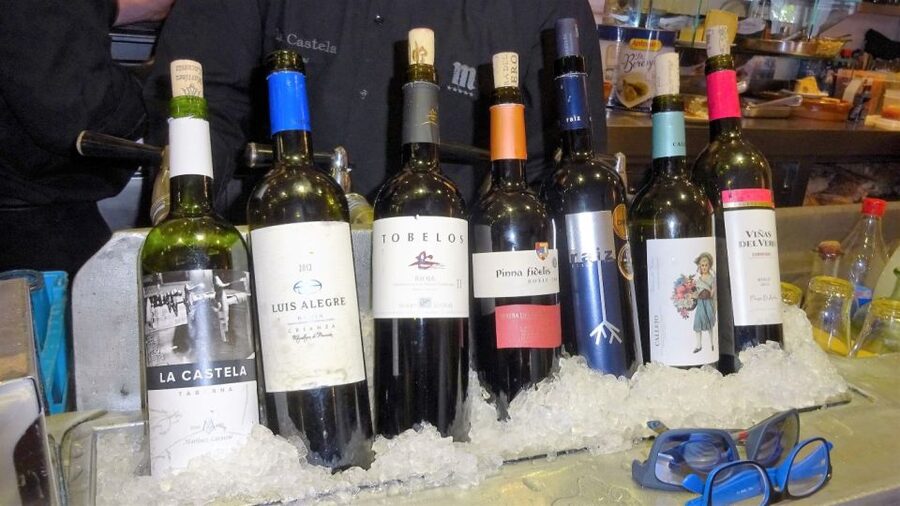
The wine side is also more useful than a simple pour. Your guide discusses Spanish wine regions, including wine from Madrid and other parts of Spain. You do not need to be a wine expert. The point is to learn enough to recognize broad differences and make a confident choice at a bar or shop.
Inside a Madrid jamonería
A jamonería is a specialist ham shop, often recognizable by whole legs hanging or resting in display racks. This is where the tour becomes especially practical. You see the setting in which Madrileños buy cured ham, rather than tasting a product detached from the place it comes from.
The guide explains the difference between Serrano and Ibérico, then moves into the grades of Ibérico ham. You learn that quality depends on more than the word Ibérico alone. Breed, feeding and curing all affect the final product, and the grading system helps separate ordinary examples from premium ones.
The tour also introduces the four protected Qualified Appellations of Origin in Spain. These designations connect certain foods with specific production areas and standards. You may not memorize every name during a short walk, but you will leave better prepared to recognize why origin matters when you read a label.
The key lesson is to slow down before buying. Ask what type of ham it is, where it comes from, how long it was cured and how it is graded. That is the kind of advice that can save you from paying top price for a product that does not match your taste or budget.
A few more wine days around Madrid worth comparing
- Madrid Ultimate Spanish Cuisine Food Tour
★ 5.0 · 1,010 reviews - Madrid: Food & Wine Tour with 10 Tapas & 4 Drinks Included
★ 4.9 · 984 reviews - Madrid Historic Centre Food Tour with Authentic Tapas & Wines
★ 5.0 · 814 reviews - Madrid Guided Food Tour with Tapas and Spanish Wine
★ 4.9 · 773 reviews
Watching a professional cut jamón
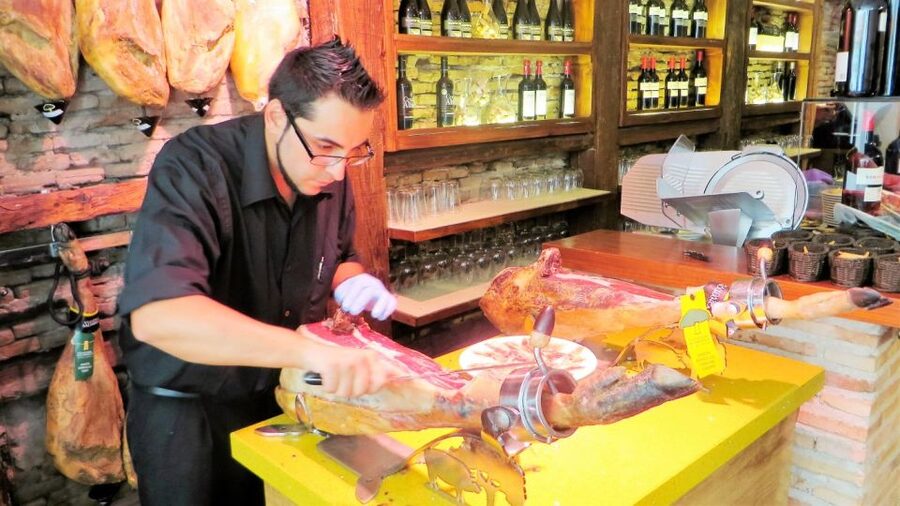
The slicing demonstration is one of the most memorable parts of the experience. A professional ham cutter, known in Spanish as a jamonero, carves the ham into thin pieces. The technique affects the size, texture and mouthfeel of each slice.
A good slice is not meant to be a thick chunk of meat. Thin cuts allow the aroma and fat to soften on the tongue. Watching the cutter work also makes you appreciate the skill behind the plates served in Spanish bars. The ham leg may look simple, but preparing it well takes practice.
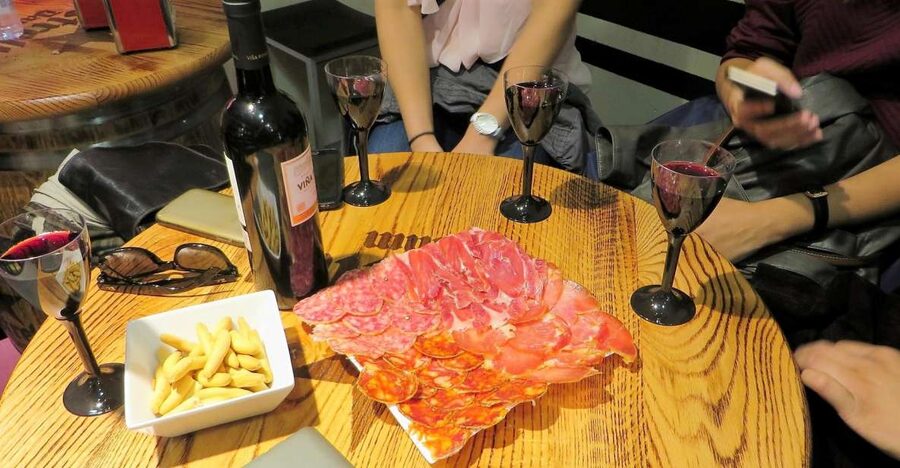
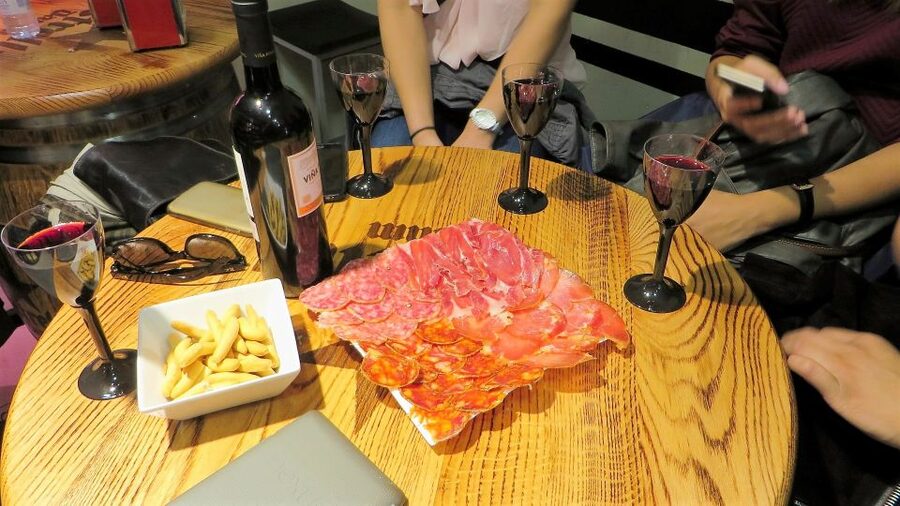
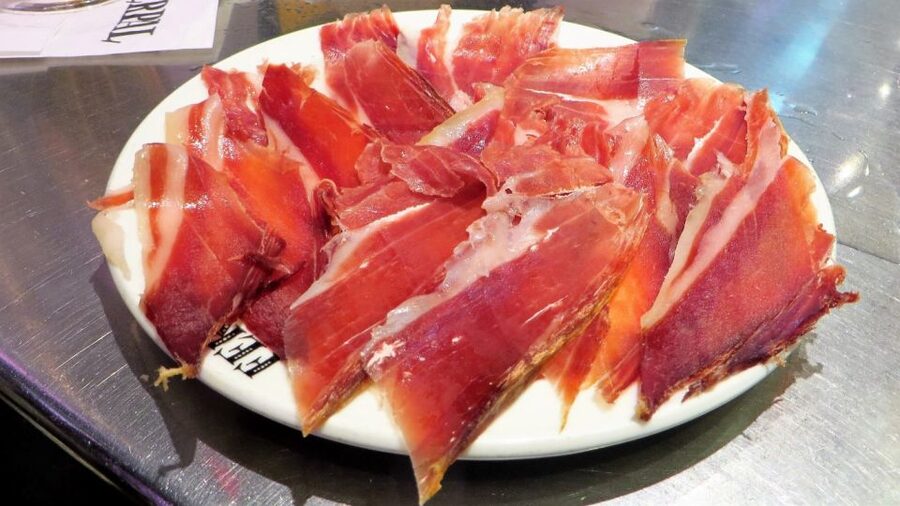
You get to taste the freshly carved slices and compare them with other cured meats. The selection includes Iberian ham, chorizo, lomo and salchichón, usually paired with Manchego cheese and other classic tapas.
This variety gives the tasting a clear rhythm. Chorizo brings spice and paprika. Lomo offers a leaner, more delicate cured-meat texture. Salchichón has its own seasoned profile. Manchego adds a firm, nutty counterpoint to the meat. The ham remains the star, but the supporting foods help you notice what makes it different.
Comparing jamón Serrano, Ibérico and paletilla
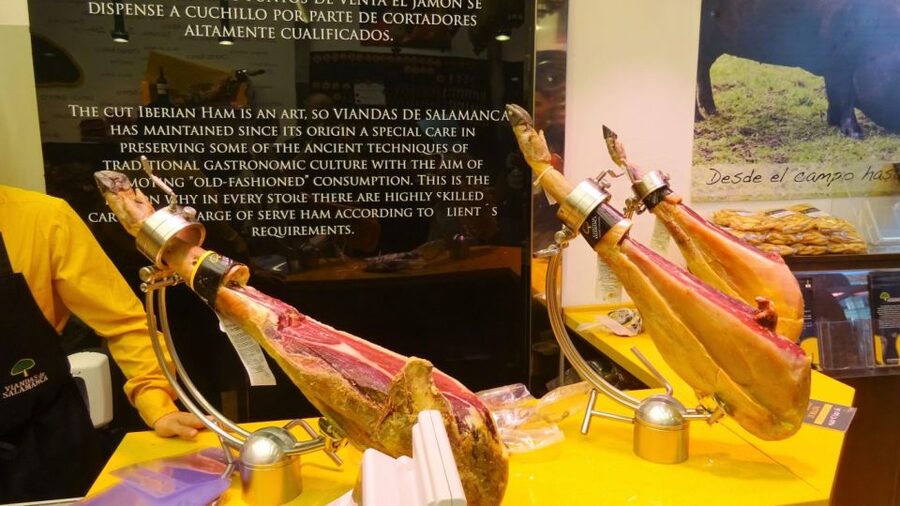
For many people, the most valuable part of the tour is learning how to compare products without relying only on price. Jamón Serrano is widely available and can be very good, but it is not the same product as jamón Ibérico. The guide helps you identify the difference in type, production and expected cost.
You also learn why paletilla may appear beside jamón at a shop. Since it comes from the front leg, it has a different shape and yield. That does not automatically make it inferior, but it does change what you receive for your money.
Look closely at color, marbling and texture as you taste. The point is not to declare one product universally best. It is to notice what you prefer. Some people enjoy a richer, more pronounced style, while others prefer a milder cured ham or a leaner cut.
This is where the tour earns its price. At $69 per person, you are paying for a guided tasting, several food samples, included drinks and instruction that you can use for the rest of your trip. If you already know Spanish ham well, the value may be less striking. If you usually see a wall of hanging legs and have no idea what to order, the help is worthwhile.
How much food and wine should you expect?
The tour is described as an authentic lunch experience, with Iberian meats, cheese, tapas and a drink at each bar or jamonería. The amount should satisfy many people for a midday meal, though you should not treat it as an unlimited banquet.
The focus is quality and explanation. You taste selected products while your guide talks through their origins and uses. Additional food and drinks are not included, so order extras only if you want them and are ready to pay separately.
The timing also matters. At 2.5 hours, this is long enough to eat properly without taking over your day. A start around late afternoon can work well if you want to move into dinner afterward, but check the available start time when booking. The tour’s food may be enough for lunch, yet you may still want a lighter dinner later.
Past visitors have found the shorter format easy to fit into a Madrid itinerary. You get a strong introduction without committing to a full evening crawl. The tradeoff is that you will not visit a large number of bars.
What the guide adds beyond the food
The best version of this tour is not just a sequence of samples. It is a conversation about Madrid and Spanish daily life. Pedro, in particular, has been praised for adding local history, culture and practical advice to the food talk. That extra context makes the tasting feel connected to the city around you.
A good guide can also adjust the pace for a tiny group. If you want to know how wine from Madrid compares with wine from another region, you can ask. If you are planning to take ham home, you can ask what to look for in a shop. If you are curious about how a whole leg is used, the cutter and guide can explain the process.
That personal format has another benefit. It can make the tour comfortable for first-time visitors who are unsure how to order in traditional places. You have someone beside you to explain what is on the table and why it matters.
The experience is conducted in English. Since it is built around conversation and instruction, tell the operator about dietary needs, allergies or other special requirements when you book.
Who should book this Madrid food tour?
I would choose this tour early in a Madrid visit if you enjoy food, want a local introduction and plan to buy Spanish ham or cheese during your stay. The shopping advice alone can improve later market visits, especially if you are tempted by expensive displays you do not understand.
It also suits couples and small groups who prefer a relaxed tasting to a large organized tour. The small-group format leaves space for questions, and the guides have made a point of marking special occasions, including honeymoons, with a friendly personal touch.
It is less suitable for vegetarians, vegans, pregnant women and children under 16. A vegetarian option is not available. If you want a broad tapas tour covering many different bars, this may feel too narrow, since the route centers on ham houses and only two venues.
The tour is also not the right choice if you want a seated wine class or a fully accessible route. You will walk between stops and spend time in food shops and bars, so comfortable footwear is important.
Booking, cancellation and practical details
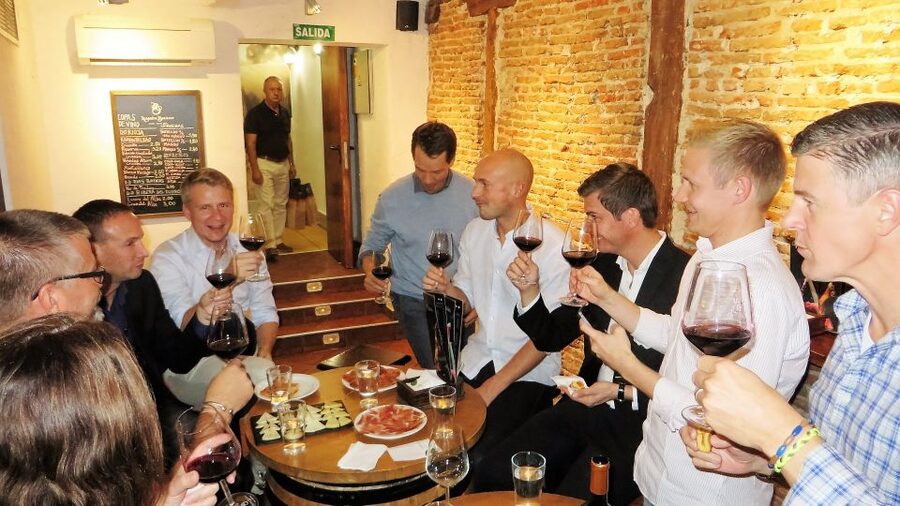
The price is $69 per person. That includes the specialized local guide, the ham and cured-meat tasting, Manchego and other tapas, Spanish wine tasting, and one included glass of wine, beer or soft drink at each bar or jamonería.
You pay separately for extra food and drinks, and you must make your own way to Plaza Isabel II. The meeting point is easy to reach by Metro at Ópera, but leave enough time to find the statue of Queen Isabel II before the start.
You can cancel up to 24 hours before the activity for a full refund. A reserve-now, pay-later option is available, which helps if your Madrid plans are still shifting. Confirmation is normally sent at booking, though bookings made within one day may take up to 24 hours to confirm, subject to availability.
Should you book the ham and wine tour?
Book it if you want a short, useful introduction to Spain’s most famous cured meat, with enough food and wine to make it feel like a real meal. The strongest reasons are the ham-cutting demonstration, the clear explanation of quality and the chance to learn how to shop without guessing.
Choose another tour if you want a long tapas crawl, many different neighborhoods or a vegetarian-friendly menu. This is a focused experience, not a general survey of Madrid food.
For most meat-and-wine lovers, $69 is fair value because you receive both tasting and instruction. I would schedule it near the start of your stay, then use what you learn at markets, jamonerías and tapas bars for the rest of your time in Madrid.
FAQ
Where does the tour meet?
The meeting point is Plaza Isabel II, beside the statue of Queen Isabel II. Ópera Metro station is nearby.
How long does the tour last?
The experience lasts 2.5 hours.
What foods are included?
The tasting includes Iberian ham, chorizo, lomo, salchichón, Manchego cheese, other cured meats and classic tapas.
Are drinks included?
Yes. Spanish wine tasting is included, along with one glass of wine, beer or a soft drink at each bar or jamonería. Additional drinks cost extra.
Is the tour conducted in English?
Yes. The activity includes a live English-speaking guide.
Will I learn the difference between Serrano and Ibérico ham?
Yes. The guide explains the difference between jamón Serrano and jamón Ibérico, as well as the distinction between jamón and paletilla.
Is a vegetarian option available?
No. A vegetarian option is not available, and the tour is not suitable for vegans.
Is the tour suitable for children?
No. Children under 16 are not permitted to join this experience.
Can I cancel for a refund?
Yes. You can cancel up to 24 hours in advance for a full refund.
More Food in Madrid
- Madrid: Old Madrid Walking Food and Wine Tour
★ 4.9 · 111 reviews - From Split: Krka Waterfalls, Food & Wine Tasting Tour
★ 5.0 · 9,326 reviews - From Split: Krka Waterfalls, Food & Wine Tasting Tour
★ 4.9 · 6,598 reviews - Winner 2025 Undiscovered Lisbon Food & Wine Tour by Eating Europe
★ 5.0 · 6,390 reviews
Just added around Madrid
- Madrid: Toledo Day Trip with Winery Visit and Wine Tasting★ 4.4 · 177 reviews
- Madrid: Flamenco Show with Tapas and Wine Tour★ 4.9 · 66 reviews
- Madrid: Tapas & Wine Tour with Visit to a Rooftop★ 4.7 · 256 reviews
- Madrid: Old Madrid Walking Food and Wine Tour★ 4.9 · 111 reviews
- Madrid Region Wineries Guided Tour with Wine Tastings★ 4.9 · 222 reviews
- Madrid: Los Porches Flamenco Show with Tapas and Wine Ticket★ 4.7 · 84 reviews
- From Madrid: Toledo Guided Tour & Winery Visit with Tasting★ 4.8 · 313 reviews
- From Madrid: Alcalá de Henares, Winery Tour & Wine Tasting★ 4.4 · 63 reviews
Wine Tours in Madrid, compared.
Madrid Tapas & Wine Tasting Walking Tour – Small Group Local Bars
Read our review →
Madrid Tapas & Wine Tour with Rooftop Views and Local Guide
Read our review →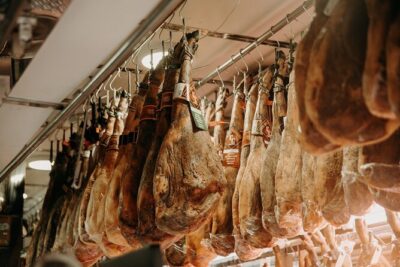
Paella Cooking Class in Madrid with Bottomless Wine Pairing
Read our review →
Food & Wine Tour with 10 Tapas & 4 Drinks Included
Read our review →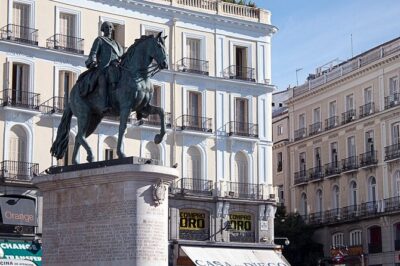
Madrid Historic Centre Food Tour with Authentic Tapas & Wines
Read our review →
Madrid Guided Food Tour with Tapas and Spanish Wine
Read our review →Browse the lists this tour appears in