
REVIEW · MADRID
Madrid Region Wineries Guided Tour with Wine Tastings
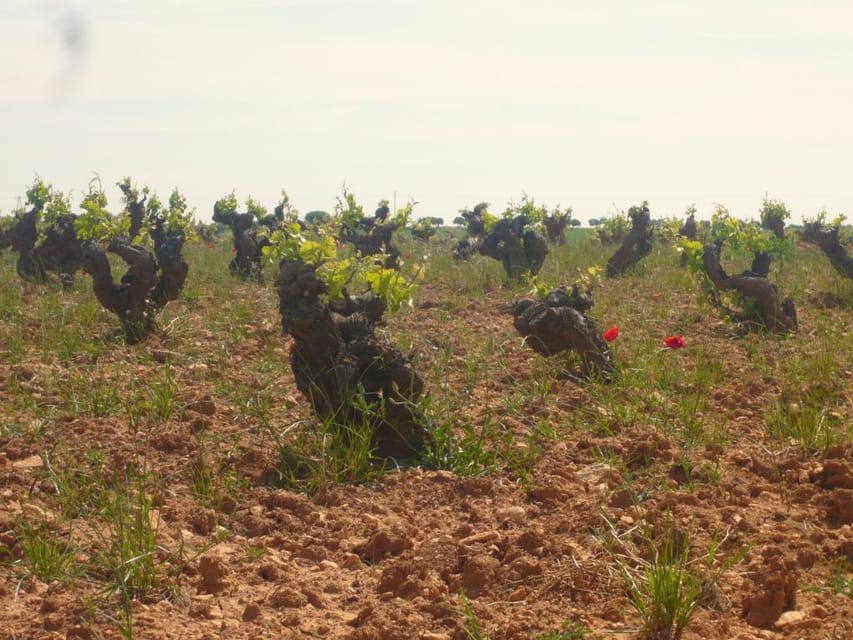
Madrid’s wine country gets interesting fast when you leave the city. Within about 35 minutes, you are among family-run wineries, old towns, Tempranillo vines, and cellars cut into the earth. The best part is meeting winemakers who still explain the work themselves, often across several generations.
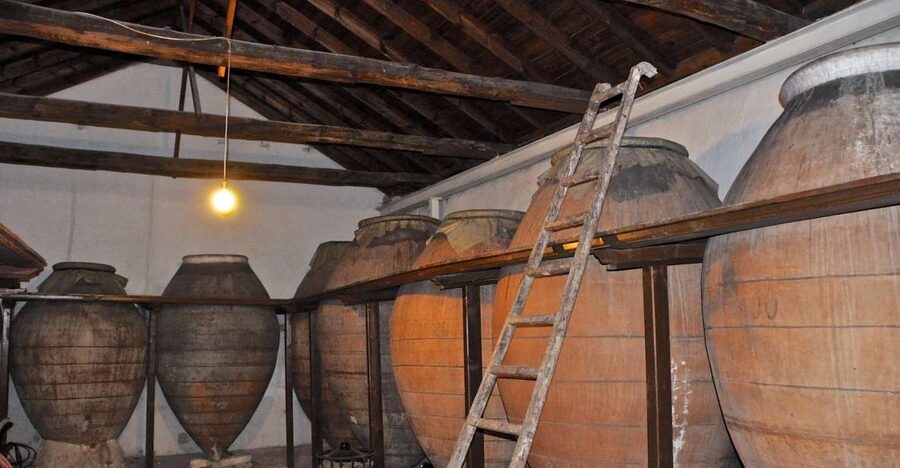
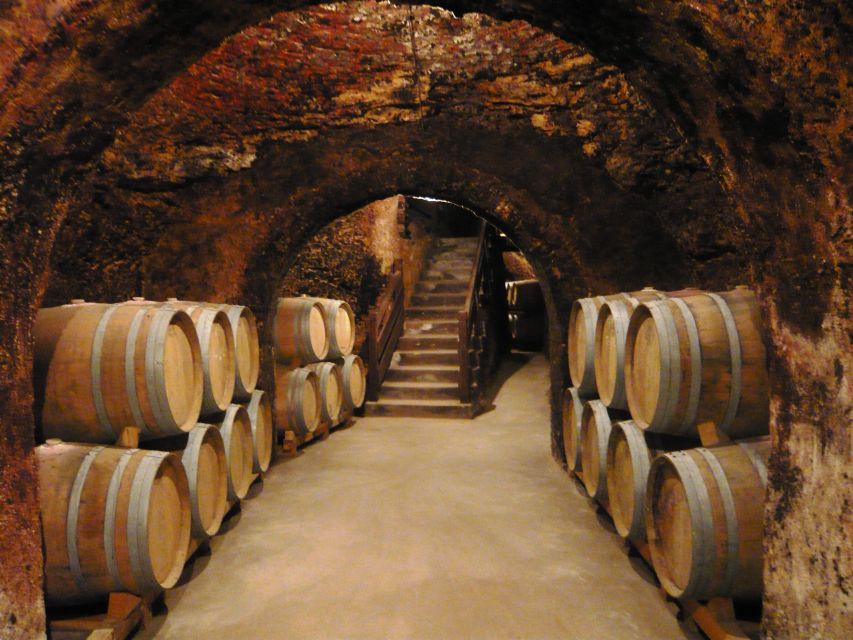
I like the mix of old and new here. You may see modern production beside clay pots more than a century old, then walk through caves where wine ages in cool darkness. I also like the small-group feel, usually around eight people, with guides such as Antonio, Nacho, Enrique, or Ismael adding plenty of humor and useful local context.
The main consideration is the pace. Three wineries and at least nine wines make for a full six hours, and the appetizers are meant to cover a light lunch, not replace a proper meal. This is not a good fit for children under 12, wheelchair users, or anyone wanting a quiet, restrained tasting.
Key points at a glance
- Three distinct family wineries: See boutique production, traditional cellars, vineyard work, and long-used winemaking methods.
- At least nine wines: Taste at least three varieties at each stop, with snacks such as cheese, olives, hummus, meat, and pastries.
- Historic Chinchón and Colmenar de Oreja: Visit two old towns tied to Madrid’s centuries-old wine trade.
- Caves and century-old clay pots: The underground cellars give the tour much more character than a standard tasting room visit.
- Easy transport from Madrid: Round-trip coach service removes the need for a car or a designated driver.
- A social, bilingual outing: English and Spanish can be used together, with groups capped at 20 and often much smaller.
Why Madrid’s wine country is worth your time
Madrid is not usually the first Spanish region people name when they talk about wine. Rioja, Ribera del Duero, and Priorat tend to get the spotlight. Yet the Community of Madrid has more than 900 years of wine tradition, and its wineries carry the Denomination of Origin Vinos de Madrid.
That history gives this outing a useful sense of place. You are not simply tasting Spanish reds in a room decorated with barrels. You are visiting the countryside that supplied Madrid’s taverns, royal kitchens, and writers during Spain’s Golden Age.
The wine country lies in an area shaped by rivers including the Manzanares, Tajuña, Jarama, Henares, and Tagus. The scenery changes quickly after you leave Madrid: rows of vines, olive and almond trees, open fields, and old stone towns replace apartment blocks and traffic.
You will likely taste Tempranillo, the grape behind many full-bodied Spanish reds, along with other varieties produced by the individual wineries. The point is not to memorize every grape. It is to see how soil, age, family methods, and cellar choices affect the wine in your glass.
More Wine Tours in Madrid
- Madrid Tapas & Wine Tasting Walking Tour – Small Group Local Bars
★ 5.0 · 3,644 reviews - Toledo Tour & Vineyard Walk with Wine Tasting from Madrid
★ 5.0 · 2,546 reviews - Madrid: Tapas & Wine Tasting Tour with Local Guide
★ 4.8 · 2,171 reviews
Leaving Madrid from Plaza del Conde de Casal
The meeting point is outside the cafeteria at Hotel Claridge, at Plaza del Conde de Casal, 6. Conde de Casal Metro Station on Line 6 is nearby, so reaching the pickup point is straightforward from central Madrid.
The cafeteria is for hotel customers, so do not plan to arrive early expecting to use it as a waiting room. I would arrive with enough time to find the hotel entrance and front door without rushing.
The first coach ride takes about 35 minutes. Your guide provides the background along the way, and the road quickly becomes part of the experience. This transfer is practical as well as scenic: driving yourself after nine or more tastings would be a poor plan, and public transport would make this route awkward.
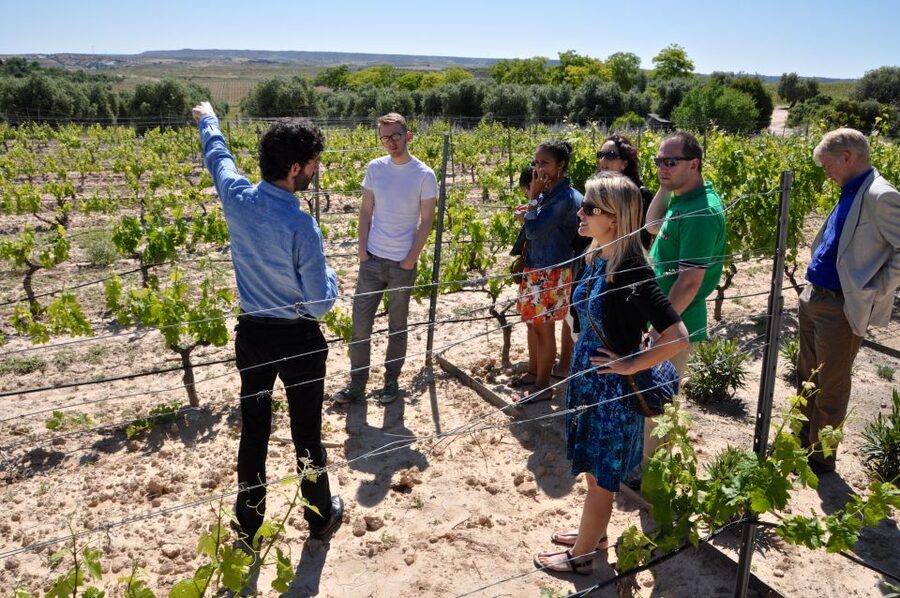
The group can range from four to 20 people, though the average is about eight. That smaller typical size matters when you are standing in a cellar or asking questions of a winemaker. It also means the social side of the day can be strong, particularly for solo visitors.
Chinchón: a historic town with wine in its walls
The first winery stop in Chinchón lasts about 75 minutes. This is not just a tasting poured at a counter. You get a guided visit, wine, and local snacks, with the winery’s own story shaping the stop.
Chinchón is one of the area’s most attractive historic towns, and its connection to wine goes back centuries. The town’s old buildings and traditional character make a good setting for learning how wine supported local families and Madrid’s wider food culture.
The first winery may be a useful introduction to the range of production in the region. Some tours include a small boutique operation, while another visit may show a traditional winery using newer techniques. The contrast is part of the value. You are comparing real working businesses rather than seeing three versions of the same polished cellar.
Expect at least three wines here, usually served with something salty or local to eat. The food is important because the pours are generous and the day continues for several hours. Do not arrive expecting a formal lunch, but do expect enough small plates to take the edge off your appetite.
After the tasting, the route includes about 25 minutes of sightseeing around Chinchón. This gives you a short look at the town and countryside before the coach continues to Colmenar de Oreja. It is not a long free period for independent exploration, so keep your focus on the wine visit rather than planning a separate town tour.
Colmenar de Oreja: two wineries, two different stories
The coach ride from Chinchón to Colmenar de Oreja takes about 25 minutes. The second town is also recognized for its cultural value and has a long place in Madrid’s wine trade.
Here, the schedule includes two separate winery visits. Each lasts about 75 minutes, with a short seven-minute walk between them. That walk is easy for most people, but it is worth wearing comfortable shoes because the day includes standing, cellar floors, vineyard ground, and town streets.
The second winery may show the way a traditional producer has brought modern methods into an old family business. This is where the tour’s family focus becomes especially clear. You are not hearing only a guide’s prepared explanation. Owners and relatives may describe what their grandparents did, what has changed, and why certain old methods still matter.
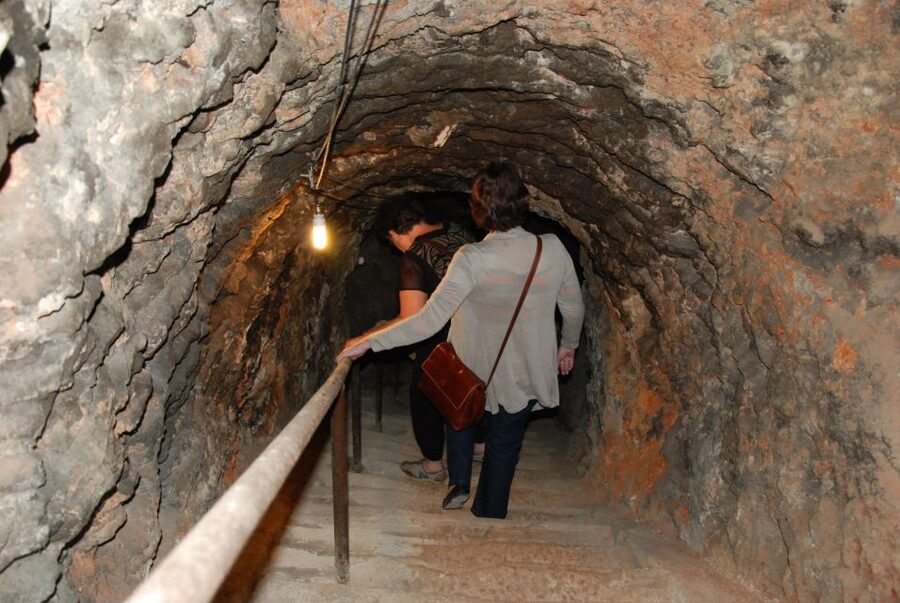
The third stop provides the strongest historical flavor. You may walk through centuries-old caves where wine ages underground, seeing the sort of storage spaces that helped keep wine cool before modern equipment. One winery continues to use clay vessels more than 100 years old, a memorable detail for anyone interested in traditional Spanish winemaking.
The caves are not a theatrical add-on. They explain why the region’s wine culture survived for so long. The underground spaces connect the bottle in front of you with the labor, storage, and family knowledge that came before it.
At each Colmenar de Oreja winery, you taste at least three wines and receive local appetizers. Past tastings have included cheese, olives, meat, hummus, chips, and pastries. The exact selection can vary, but the pattern is consistent: every stop combines wine with food instead of leaving you to drink on an empty stomach.
More wineries worth an afternoon in Madrid:
- Madrid Countryside Wineries Guided Tour with Wine Tasting
★ 5.0 · 740 reviews - From Madrid: Toledo Guided Tour & Winery Visit with Tasting
★ 4.8 · 313 reviews - Madrid: Toledo Day Trip with Winery Visit and Wine Tasting
★ 4.4 · 177 reviews - From Madrid: Alcalá de Henares, Winery Tour & Wine Tasting
★ 4.4 · 63 reviews
Meeting the winemakers is the real advantage
Many winery tours depend on one guide repeating the same script all day. This experience has a different feel because the family owners often take over at the cellar or production area.
You may meet a third-generation or fifth-generation winemaker, hear family anecdotes, and get answers that go beyond a standard tasting note. That personal contact is especially valuable if you want to understand why a winery keeps using clay pots, how a small producer handles aging, or how old customs fit with newer equipment.
The guides also shape the day. Antonio has been praised for combining wine expertise with jokes and easy conversation. Nacho is known for keeping groups engaged while explaining the wines and places. Enrique brings strong detail about the production process, while Ismael has guided visitors through the full route from vineyard to fermentation and aging.
Guide assignments can change, so you should not book expecting one particular person. Still, the repeated strength of the guiding team is reassuring. The guide is not simply a driver. You get a bilingual Spanish-English host who explains the region, translates when needed, manages the timing, and keeps the group connected.
The tour can run in English and Spanish at the same time if necessary. That works well for mixed groups, though visitors seeking a completely English-only experience may want to confirm the language arrangement before booking.
At least nine wines, with enough food to matter
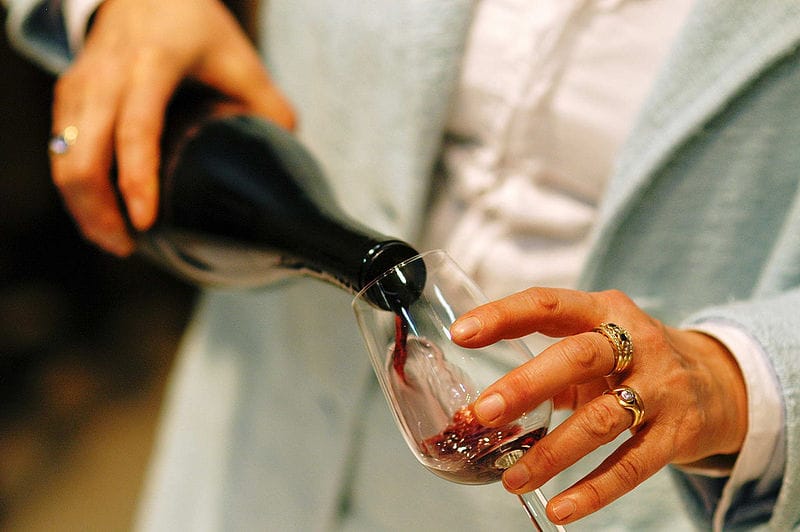
The promise is at least three wines at each of the three wineries, giving you a minimum of nine tastings. In practice, the experience can feel generous, with glasses often refilled during the visits.
That generosity is fun, but it is also the day’s biggest practical warning. This is not a tiny sip-and-spit lesson. Some people have described leaving the tour very well supplied with wine, so pace yourself and drink the water available to you when offered.
You will taste across different varieties and styles rather than comparing nine nearly identical bottles. One winery may focus on boutique production, another on traditional methods with modern improvements, and another on historic cellar practices. That progression helps you understand Madrid wine as a living tradition instead of a single house style.
The snacks are more substantial than the word appetizer might suggest. Cheese, olives, meat, hummus, pastries, and other local bites appear during the day. Still, lunch is not included as a separate meal, and the description specifically treats the food as a light lunch. If you normally need a full midday meal, eat a solid breakfast and consider carrying a small permitted snack for the coach.
How the six-hour schedule feels
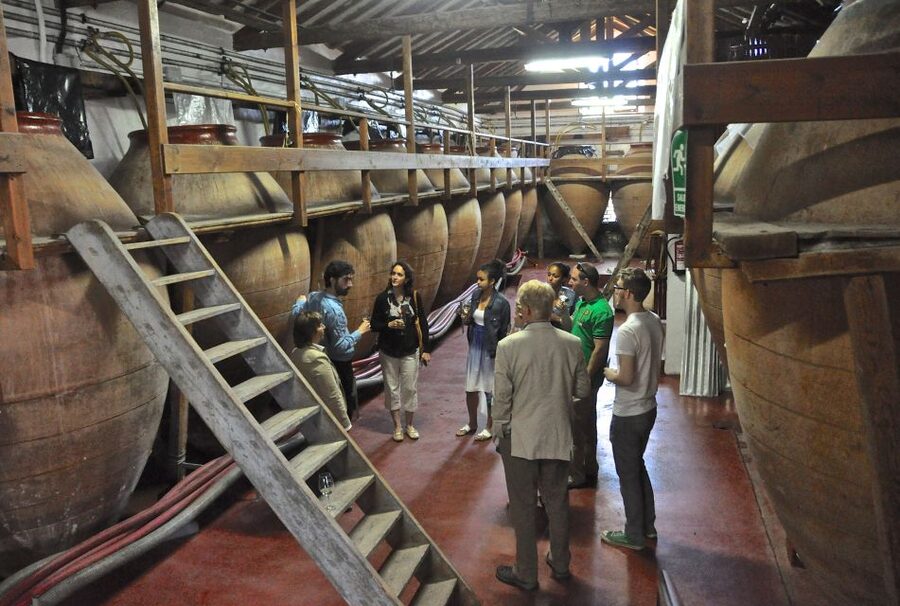
The full outing takes about six hours, including transportation. The listed timing gives you roughly 75 minutes at each winery, which is long enough for a cellar visit, explanation, tasting, and food without turning the day into a slow seminar.
The structure is sensible:
- About 35 minutes from Madrid to the wine country
- A 75-minute winery visit in Chinchón
- About 25 minutes of sightseeing around Chinchón
- About 25 minutes by coach to Colmenar de Oreja
- A 75-minute winery visit
- A seven-minute walk
- Another 75-minute winery visit
- About 40 minutes back to Madrid
The return drive gives you a chance to rest, though the timing can depend on road conditions and group movement. Since you are visiting three separate family businesses, small delays are possible. I would avoid booking a timed evening activity immediately after the stated return.
This is a good half-day choice for a first visit to Madrid because you see a very different side of the region without sacrificing a whole day to a distant wine area. You get countryside, two historic towns, and three working wineries in one outing.
Is $171 a fair price?
At $171 per person, this is not a bargain tasting. The price makes more sense when you count what is bundled together: round-trip transportation, a bilingual guide, three winery visits, at least nine wines, local snacks, and access to family-run cellars that would be difficult to arrange independently.
You are also paying for convenience. Renting a car would add cost and responsibility, while arranging three separate winery appointments could be difficult without Spanish and local contacts. The guide’s regional explanation adds value too, especially if you know little about Vinos de Madrid.
The strongest value comes if you care about the people and working places behind the bottle. If you only want a few inexpensive pours, a Madrid wine bar will cost less and take less time. If you want production stories, old caves, countryside views, and a full tasting day without driving, the price is easier to justify.
Several past visitors have bought bottles at the wineries. That can add to the cost, of course, but it also suggests the tastings are designed to show wines you can actually enjoy and purchase, not merely rare samples unavailable outside the cellar.
Who should book this experience?
I would choose this tour if you want wine with history and human contact. It suits couples, solo visitors, friends, and small groups who enjoy learning while eating and drinking.
It is also a strong choice if you are staying in Madrid without a car. The pickup near Conde de Casal is easy to reach, and you can see a rural part of the region that would otherwise take more planning.
Wine beginners should feel comfortable. The guides explain the process and answer questions without requiring technical knowledge. Wine enthusiasts will find more to study in the clay vessels, caves, family methods, and comparison between three small producers.
I would think twice if you dislike group outings, need a substantial lunch, have limited mobility, or prefer a slow visit to one winery. The tour includes standing, walking, coach transfers, and three tastings in one day. Children under 12 cannot participate, and the outing is not suitable for wheelchair users.
You should also be honest about your drinking habits. The tour rules do not allow intoxication, even though the pours can be generous. Eat beforehand, pace yourself, and remember that the goal is to taste the region, not race through it.
Should you book the Madrid wineries tour?
I would book it if your Madrid plans include room for one countryside outing and you want something more personal than a standard city tasting. The combination of three family wineries, old caves, local food, and direct contact with winemakers gives the day a clear identity.
The best reason to choose it is the range of experiences packed into six hours. You see vines, cellars, clay vessels, historic towns, and modern production, then return to Madrid without worrying about the drive.
Skip it if you want a full lunch, complete independence, or a short tasting with only a few sips. For everyone else, especially visitors curious about the lesser-known Vinos de Madrid region, this is a well-organized and unusually personal way to get beyond the city.
Cancellation is free up to 24 hours before departure, and you can reserve now and pay later. The meeting point is at Hotel Claridge, Plaza del Conde de Casal, 6.
FAQ
How long does the Madrid wineries tour last?
The tour lasts six hours, including transportation from Madrid and the return trip.
How many wineries will I visit?
You will visit three family-owned wineries, with one in Chinchón and two in Colmenar de Oreja.
How many wines are included?
At least three wines are served at each winery, for a minimum of nine different wines during the tour.
Is lunch included?
A separate lunch is not included. Each winery provides local appetizers, and together these are intended to cover a light lunch.
Where does the tour meet in Madrid?
Meet at the front door of the cafeteria at Hotel Claridge, next to the hotel’s main entrance, at Plaza del Conde de Casal, 6. The closest Metro station is Conde de Casal on Line 6.
Can children or wheelchair users join?
Children under 12 cannot participate, and the tour is not suitable for wheelchair users.
More Wine Tastings in Madrid
- Madrid: Wine Tasting Experience with 4 Spanish Wines
★ 4.9 · 34 reviews - From Porto: Douro Valley w/ Boat Tour, Wine Tasting & Lunch
★ 4.7 · 19,061 reviews - Complete Douro Valley Wine Tour with Lunch, Wine Tastings and River Cruise
★ 5.0 · 12,920 reviews - Florence: Chianti Wineries Tour with Wine Tasting
★ 4.5 · 10,071 reviews
Just added around Madrid
- Madrid: Toledo Day Trip with Winery Visit and Wine Tasting★ 4.4 · 177 reviews
- Madrid: Iberico Ham and Spanish Wine Small-Group Food Tour★ 4.9 · 49 reviews
- Madrid: Flamenco Show with Tapas and Wine Tour★ 4.9 · 66 reviews
- Madrid: Tapas & Wine Tour with Visit to a Rooftop★ 4.7 · 256 reviews
- Madrid: Old Madrid Walking Food and Wine Tour★ 4.9 · 111 reviews
- Madrid: Los Porches Flamenco Show with Tapas and Wine Ticket★ 4.7 · 84 reviews
- From Madrid: Toledo Guided Tour & Winery Visit with Tasting★ 4.8 · 313 reviews
- From Madrid: Alcalá de Henares, Winery Tour & Wine Tasting★ 4.4 · 63 reviews
Wine Tours in Madrid, compared.
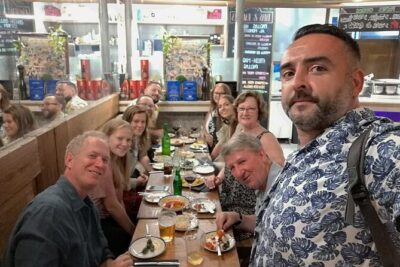
Madrid Tapas & Wine Tasting Walking Tour – Small Group Local Bars
Read our review →
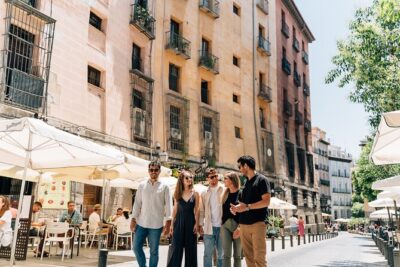
Madrid Tapas & Wine Tour with Rooftop Views and Local Guide
Read our review →
Paella Cooking Class in Madrid with Bottomless Wine Pairing
Read our review →
Food & Wine Tour with 10 Tapas & 4 Drinks Included
Read our review →
Madrid Historic Centre Food Tour with Authentic Tapas & Wines
Read our review →
Madrid Guided Food Tour with Tapas and Spanish Wine
Read our review →Browse the lists this tour appears in