
REVIEW · VERONA
Verona: Montresor Winery Visit with Wine Tasting and Snacks
Montresor Winery gives you something many city wine tastings miss: a clear sense of how the wine is made before the first glass reaches your hand. You move from family history and old tools to aroma tests, drying grapes, giant barrels, and a guided tasting of Valpolicella or Lake Garda wines. I especially like the interactive aroma room and the chance to see the appassimento process linked to Amarone.
I also like the setting. You are close enough to Verona for an easy taxi ride or bus trip, yet the winery feels separate from the crowded center. Guides including Emma, Leonardo, Silvia, and Emmanuele have been praised for making the technical parts lively and easy to follow. The main drawback is that the snack offering needs checking, since the stated menu includes bread, olive oil, soppressa, and cheese, while some visits have provided only breadsticks.
Quick Points About the Montresor Visit
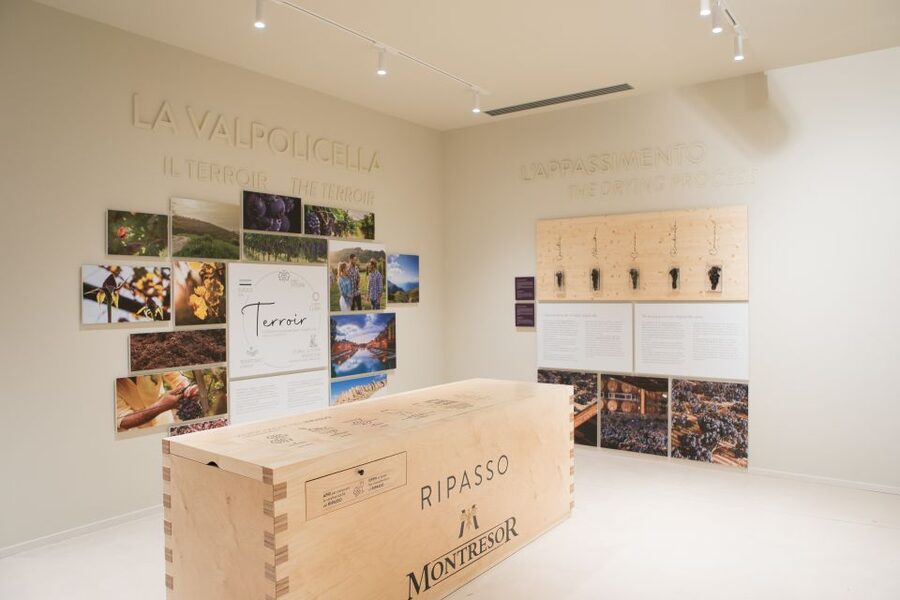
- See Amarone grapes at different stages: The tour explains the drying process that gives Amarone its distinctive weight and concentration.
- Choose your wine style: Select five Valpolicella red wines, including Amarone Riserva, or four fresh white wines from Lake Garda.
- Try the aroma quiz: The sensory room asks you to identify scents found in wine, making the tasting more active than simply listening to a guide.
- Explore a museum inside the winery: Original tools and displays connect Montresor’s story with Verona from the late 1800s to today.
- Reach it without a car: Bus routes 21 and 93 stop near the winery, and parking is available on site.
- Plan for a compact visit: The full experience lasts about 90 minutes, so it fits neatly into a Verona day.
What This Winery Adds to a Verona Visit
Verona is known for Roman ruins, opera, and Shakespeare, but the surrounding Veneto is also one of Italy’s great wine areas. Montresor gives you a useful introduction without requiring a full day in the countryside.
The winery sits just outside the historic center. From Arena, a taxi takes roughly 15 minutes, depending on traffic. You can also take bus 21 or 93 from Castelvecchio Castle, opposite the castle entrance. A stop near the winery makes public transport practical, though you should allow a little extra time to find the entrance.
The visit works well for a hot afternoon or a rainy morning because the museum, cellar, and tasting rooms are indoors. The controlled indoor setting also means you do not need to depend on good weather. If you drive, parking is available at the winery.
At $34 per person, the price is fair for a 90-minute guided program that includes the museum, a specialist host, four or five wines, and tasting snacks. The value is strongest if you want to understand the wines rather than simply sample them. A basic tasting might cost less, but it would not necessarily include the museum, aroma room, production displays, and barrel room.
More Wine Tours in Verona
- Verona: Pasta and Tiramisu Cooking Class with Fine Wine
★ 4.8 · 633 reviews - Verona: Pasta and Tiramisu Cooking Class With Free Flowing Wine
★ 5.0 · 575 reviews - From Verona: Valpolicella and Amarone Wine Tasting Tour
★ 4.9 · 560 reviews
Starting With Montresor’s Verona Story
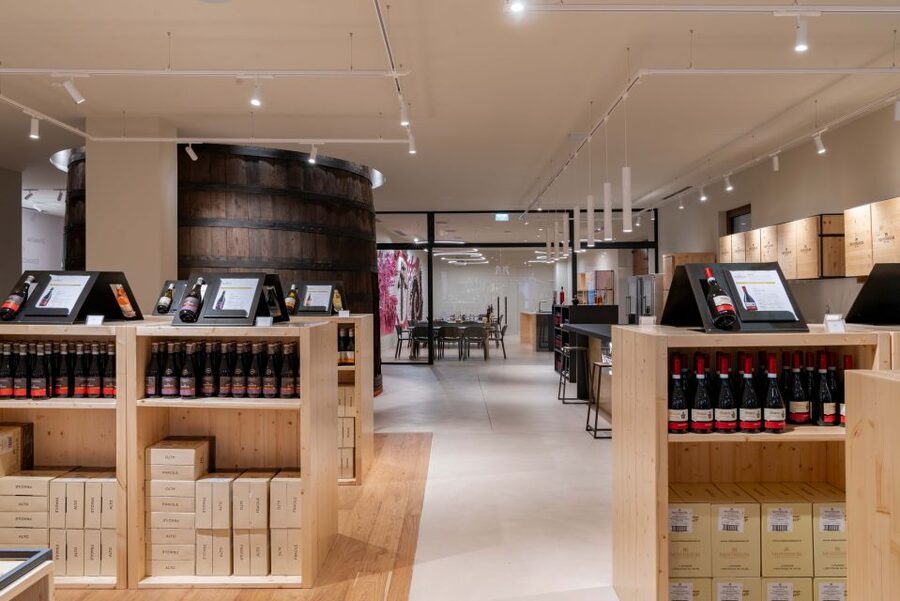
The visit begins in the winery museum, where the Montresor family story is placed alongside Verona’s changes from the late nineteenth century to the present. Original winemaking tools help you picture how grapes were handled before modern equipment became standard.
This part gives the tasting a useful frame. Instead of treating a bottle as an isolated product, you see how the winery has kept its identity while adapting through major historical events and changes in production. The museum is not simply a display of old objects. It explains why the winery remains connected to the city and its wine-making traditions.
Allow yourself time to look closely at the displays. The scheduled visit moves at a set pace, and one visitor wished for longer to read everything. That is a fair point, especially if you enjoy museums and want to study the information rather than move quickly toward the tasting.
The renovated premises have a modern design, and the route through the winery is laid out as a proper walk-through experience. It feels more polished and organized than an informal stop at a rural cellar. That may suit you if you want an easy introduction to Veneto wine with clear explanations and no complicated countryside transport.
The Aroma Room Makes You Use Your Nose
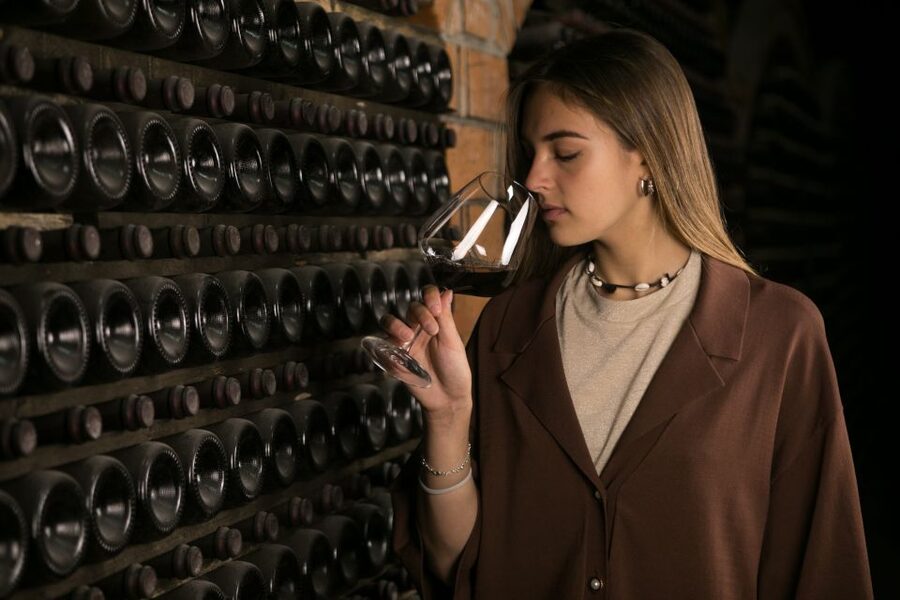
One of the most enjoyable stops is the interactive aroma room. You try to identify scents associated with the wines, using your own sense of smell before the guide explains what to look for in the glass.
This simple quiz gives the visit some playfulness. Wine language can sound abstract when you hear terms such as dried fruit, flowers, spice, or herbs without a reference point. The aroma exercise gives those descriptions a physical connection, even if you do not guess every scent correctly.
Guides such as Emma have used the quiz to keep the group involved. The format also makes it easier to ask questions, since you are not expected to know wine vocabulary in advance. You can approach the tasting as a beginner and still take part fully.
I would not expect a laboratory-style lesson in aromas. The point is to sharpen your attention, not to prove that you have a perfect nose. It is a small but smart feature, especially for anyone who normally drinks wine without thinking about its smell.
Seeing Valpolicella Grapes Become Amarone
The cellar portion focuses on Valpolicella and the way the local area shapes several styles of red wine. You learn the differences among Valpolicella Classico, Ripasso, and Amarone, with grapes shown at stages from harvest through drying.
The appassimento process is central to the explanation. Grapes used for Amarone are dried before fermentation, concentrating their sugars and flavors. Seeing grapes in this stage makes the process easier to understand than reading about it on a wine list.
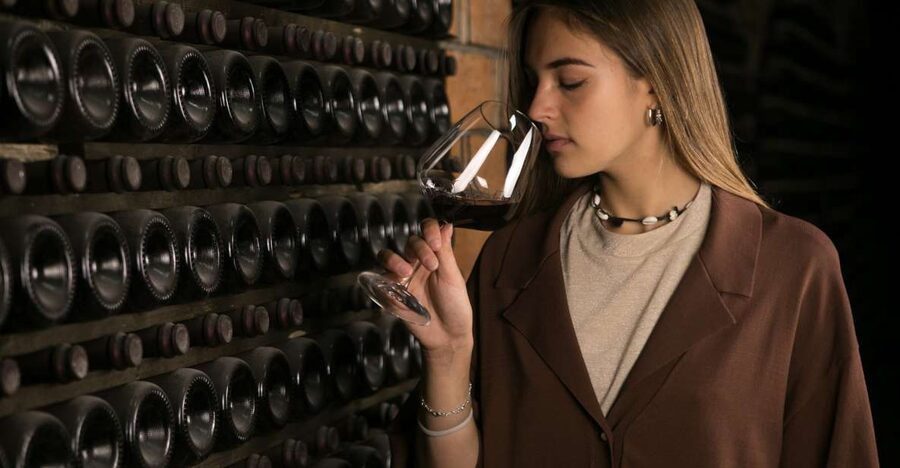
The route takes you beneath a historic barrel and into the aging room. Large casks hold wines as they develop, and a full-wall historical mural gives this part of the winery a strong visual identity. The mural is specific to Montresor, so this does not feel like a generic cellar stop that could belong anywhere.
You may also see the room where grapes for Amarone are drying, depending on the production stage during your visit. That timing matters. Winemaking is seasonal, so the exact appearance of the cellar can change through the year. The tour still explains the process even when grapes are not being dried at that moment.
This is the most useful section for anyone who has heard of Amarone but has never understood why it costs more than many other Valpolicella wines. The guide connects the labor, time, grape handling, and barrel aging to what you later taste.
More wineries worth an afternoon in Italy:
- Tuscany Day Trip from Florence: Siena, San Gimignano, Pisa and Lunch at a Winery
★ 5.0 · 21,634 reviews - Florence: Chianti Wineries Tour with Wine Tasting
★ 4.5 · 10,071 reviews - From Florence: Siena, San Gimignano, Pisa & Lunch at Winery
★ 4.8 · 4,538 reviews - Tuscany Wine Tour: 2 Wineries & San Gimignano from Florence
★ 5.0 · 1,007 reviews
Choosing Between Reds and Lake Garda Whites
You choose your tasting path when booking. The red option includes five glasses from the Valpolicella range, while the white option includes four wines from Lake Garda.
The red tasting is the better choice if Amarone is your main reason for booking. It can include wines progressing toward Amarone Riserva, giving you a chance to compare styles instead of treating Amarone as one stand-alone glass. You may taste how the wines change in weight, structure, and intensity as the guide explains their production.
Valpolicella Classico gives you a lighter reference point. Ripasso offers a fuller style made through a second contact with Amarone grape skins, while Amarone brings the dried-grape character and greater concentration. The exact wines can depend on the chosen program and current availability, so consider the listed red option as a guided sample of the range rather than a guaranteed bottle-by-bottle menu.
The Lake Garda white tasting offers a different mood. These wines are described as fresh and elegant, making the option appealing if you prefer lighter whites or have already sampled several red wines during your time in northern Italy. It is also a sensible choice for a warm afternoon, when a crisp white may be more appealing than a powerful Amarone.
The white option includes four glasses rather than five. That difference is small, but it is worth noting when comparing the choices. The red program offers more pours and a wider chance to explore the Valpolicella family, while the white program gives you a focused introduction to wines from the Lake Garda area.
The Tasting Room and Food Pairings
The final tasting takes place in a dedicated room, with a wine specialist explaining each glass. The strongest part of this format is the connection between what you have just seen and what you are now drinking. The guide can point back to the grape-drying process, barrel aging, or local territory while the wine is in front of you.
Hosts including Leonardo and Emmanuele have been praised for making their descriptions vivid without losing the practical details. Silvia has also led especially engaging visits. The individual guide may vary, but the format calls for an English- or Italian-speaking specialist who can answer questions and explain the wines.
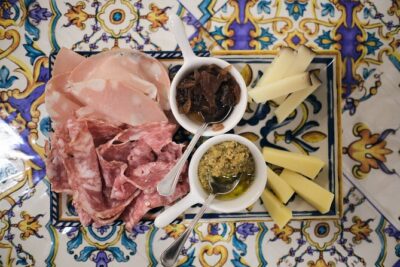
The stated food pairing includes bread, olive oil, soppressa salami, and cheese. These are modest accompaniments, not a meal, so do not book this as a substitute for lunch. They are there to refresh your palate and give you a little salt and texture with the wine.
There is one point worth checking before you go. Some visits have included only a small serving of breadsticks instead of meat and cheese. The published inclusions list the fuller selection, but the actual snack service has not always matched that description. If the food matters to you, confirm the current offering with the provider before booking, and plan another meal afterward.
The tasting itself is the part most likely to tempt you into the shop. Montresor offers a discount on bottle purchases, and the winery can arrange shipping for bottles you buy. One visitor had wine shipped home successfully, while others bought bottles to carry in their luggage. Shipping rules, customs charges, and fees depend on your destination, so ask the shop for the current details.
Timing, Transport, and Practical Limits
The experience lasts about 1.5 hours. That is enough time for a meaningful introduction, but not enough for a slow museum visit, an extended cellar talk, and a leisurely tasting all at once. If you like reading every display, arrive ready to focus or ask if you can spend extra time in the museum afterward.
The winery is easy to reach by taxi from central Verona. Bus 21 or 93 from Castelvecchio is the lower-cost option, with a stop near the entrance. Parking is available if you have a car, which makes the winery a convenient stop before or after visiting other parts of the Veneto.
English and Italian tours are available. The experience requires at least two participants to operate, so a solo booking may depend on another person joining. Minors must be accompanied by an adult, and the activity is not suitable for children under 18.
People with reduced mobility should ask about the route before booking, since some areas may not be easy to access. The experience is also listed as unsuitable for pregnant women and vegans. Those restrictions are important: the program centers on wine tasting and includes animal-based food pairings.
Free cancellation is available up to 24 hours before the scheduled start, and you can reserve now and pay later. Weather is less of a concern because most of the visit is indoors, but severe storms or other unexpected events can affect the activity and may be handled case by case.
Who Will Get the Most From This Visit
I would choose Montresor if you want a structured introduction to Verona’s wine culture without committing to a full vineyard day. It suits couples, small groups, and curious adults who want more context than a bar tasting can provide.
It is especially good for anyone who has heard of Amarone but wants to understand the work behind it. The museum, drying grapes, barrels, and guided tasting form a logical sequence. You see the process, test your senses, and then taste the result.
The experience is also a strong rainy-day plan. The modern indoor route, museum displays, and tasting room give you something substantial to do beyond the city’s main monuments. It can also fill a hot afternoon when walking Verona’s stone streets becomes tiring.
I would hesitate only if you want a quiet, rural vineyard setting with long views and lots of time outdoors. Montresor is an urban winery visit, not a countryside estate tour. I would also confirm the snack arrangement if you are expecting cheese and salami, and I would not count on the visit as lunch.
Should You Book Montresor Winery?
Book it if you want a well-organized, 90-minute wine experience near Verona with strong explanations, a clever aroma quiz, and a real look at Amarone production. At $34, the combination of museum access, cellar displays, specialist guidance, and four or five wines makes good sense for most wine-curious adults.
Choose the Valpolicella red tasting if Amarone is on your list. Choose the Lake Garda whites if you prefer fresher wines or want something lighter. Just allow time for transport, check the current snack details, and remember that this is a compact educational tasting rather than a full meal or countryside excursion.
FAQ
Where is Montresor Winery located?
The winery is just outside Verona’s historic center. You can take a taxi from Arena, use bus 21 or 93 from Castelvecchio Castle, or drive and use the available parking.
How long does the winery visit last?
The scheduled experience lasts about 1.5 hours.
How many wines are included?
The Valpolicella red option includes five glasses. The Lake Garda white option includes four glasses.
Can I choose between red and white wine tastings?
Yes. You can select a tasting of Valpolicella reds or a tasting of Lake Garda white wines.
Is food included with the wine?
Wine-pairing snacks are listed as bread, olive oil, soppressa salami, and cheese. Some visits have provided breadsticks only, so confirm the current snack selection if this matters to you.
Is the experience available in English?
Yes. Guided visits are offered in English and Italian. A live wine specialist leads the tour.
More Food & Drink in Italy
- Winner 2025 Florence Sunset Food & Wine Tour by Eating Europe
★ 5.0 · 5,015 reviews - From Florence: Small Group Wine Tasting Tour to Tuscany
★ 4.9 · 3,902 reviews - Rome Food Tour: Unlimited Tastings with Fine Wine & Barolo
★ 5.0 · 3,365 reviews - Rome: Guided Food Walking Tour with Wine in Trastevere
★ 4.9 · 3,105 reviews
More Wine Tastings in Italy
- Small-Group Wine Tasting Experience in the Tuscan Countryside
★ 5.0 · 7,392 reviews - Rome: Tuscany & Montepulciano Day Trip with Lunch & Wine Tasting
★ 4.5 · 5,232 reviews - SMALL-GROUP Wine Safaris: Tuscan Wine Tasting Tours from Florence
★ 5.0 · 5,088 reviews - San Gimignano, Siena, Monteriggioni, Chianti Day Trip with Lunch & Wine Tasting
★ 4.5 · 4,432 reviews
Just added around Italy
- Wine Degustation Ebrezze★ 4.5 · 86 reviews
- Guided winery tour with tasting in Bolzano at the SKYWINE PAVILLON★ 5.0 · 61 reviews
- Bologna: Tagliatelle & Ragù Home Cooking Class with wine★ 4.5 · 55 reviews
- Bologna Food & Wine tour with a local Chef★ 3.0 · 30 reviews
- The downtown wine experience★ 5.0 · 35 reviews
- Parmigiano Wine and Balsamic Vinegar Experience from Bologna★ 5.0 · 30 reviews
- Private Bologna Food & Market Tour with 6 Tastings & Wine★ 5.0 · 102 reviews
- Eating Bologna Food and Wine Tour★ 5.0 · 96 reviews
Wine Tours in Verona, compared.
Pasta and Tiramisu Cooking Class with Fine Wine
Read our review →
Pasta and Tiramisu Cooking Class With Free Flowing Wine
Read our review →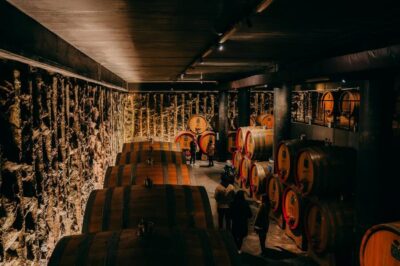

Browse the lists this tour appears in